
The Science of Hand Wraps: length, material, and methods that protect your shots
The first time you clip the top edge of a heavy bag bare-knuckled, you understand why cloth matters. Power bleeds through tiny bones. Miss the alignment by a few degrees and your wrist complains for a week. The honest fix is not a bigger glove. It is smarter hand wraps.
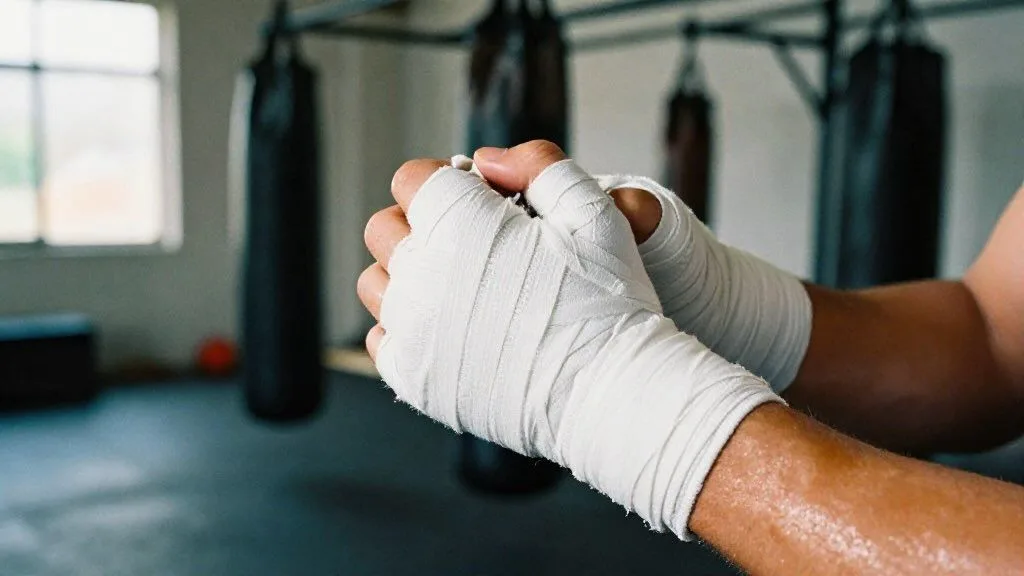
What good wraps actually do
Hand wraps do two jobs at once. They turn a loose bundle of metacarpals into a single striking block, and they keep the wrist from collapsing when the line from forearm to knuckles drifts off center. That is force management, not padding. Padding belongs to the glove.
Mechanically, a solid wrap makes a bridge across the back of the hand so the metacarpals cannot splay. It also creates a short, stiff segment around the wrist so the joint stays in neutral under load. If the palm is choked or the fingers go numb, you built compression, not structure.
Length: the 120, 180, 210 decision
Length is not a style choice. It decides how much structure you can build before you run out of cloth.
120 inches works for smaller hands or tight competition gloves. You get basic wrist support and a thin knuckle pad. The trade off is minimal finger splits and less insurance on heavy bag days.
180 inches is the gym standard for a reason. It lets average to larger hands build a real knuckle pad, run three finger splits, lay an X across the back of the hand, and still finish the wrist with two passes. If you only buy one length, make it 180.
200 to 210 inches lets big hands or bag monsters add bulk up front. The cost is fit. In 12 to 14 oz gloves that extra cloth can crowd the fist and subtly push the wrist out of line. Bulk feels safe until it changes your punch geometry.
Materials that behave under tension
Two wraps can look identical on a shelf and feel completely different once you pull them to working tension. That difference is how they stretch and how they age.
- Cotton non stretch - Stable tension, breathable, and simple to learn. It loosens a touch as sweat softens the fibers, but it never rebounds to choke the hand. Great for beginners and short rounds.
- Mexican style elastic cotton - A cotton blend with elastic that conforms to the hand. It locks shape and stays tidy through long sessions. Over pulled, it fatigues early and the hook and loop starts to curl. Wash cold and air dry to extend life.
- Gauze plus tape - Fight camp and sanctioned bouts. The custom fit and stiffness are unmatched. Also single use, slow to apply, and overkill for Tuesday pad work.
- Gel quick wraps - Fast for hotel shadowboxing or light bag rounds. Limited wrist control and adjustability. Not the tool for hard sparring.
Stitching at the thumb loop and the hook and loop patch decides lifespan more than logo. If the loop feels rough or the edge is unfinished, it will fray under the first month of clinch drills.
Fit checks that save wrists
Two quick tests before the gloves go on. Make a full fist and then open your hand completely. If the palm fights you, you wrapped the palm instead of the back of the hand - rebuild the bridge and free the palm. Then slide two fingers under the wrist segment. If you cannot, it is too tight. If you can drop three in easily, tighten by one pass.
Here is the part almost everyone skips - look at the wrist from the side once the glove is on. The line from forearm to second knuckle should be straight. If the glove sits low because your knuckle pad is a pillow, you just bought a soft wrist with your own wrap.
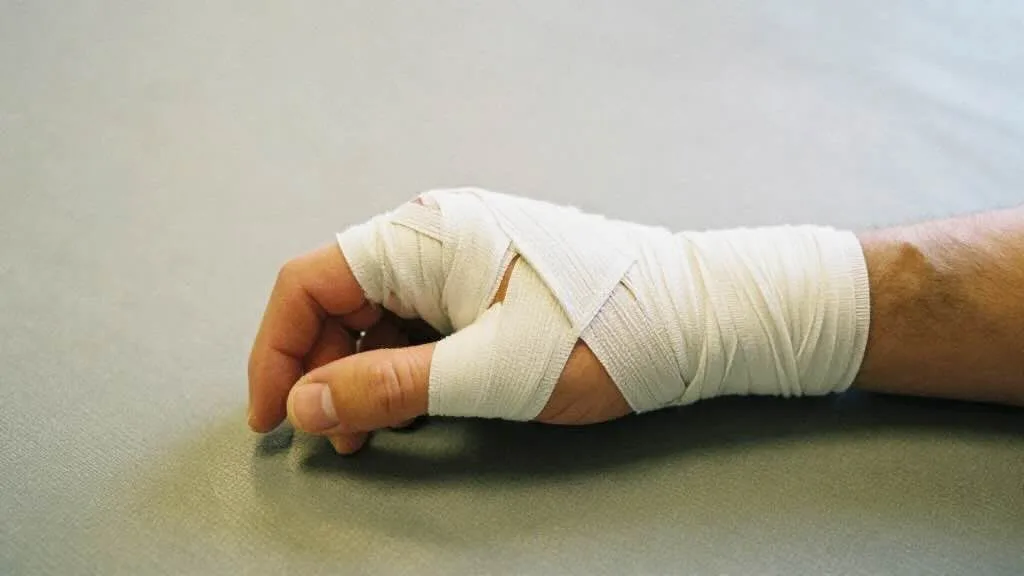
Step by step: all purpose hand wraps
- Anchor the wrist with 2 to 3 passes. Label side up so the wrap lies flat.
- Run to the knuckles. Build a pad with 3 to 4 passes over the first two knuckles.
- Split the fingers: pinky to ring, ring to middle, middle to index. Always travel over the back of the hand.
- Create the X across the back of the hand: wrist to knuckles, then back to wrist.
- Finish the wrist with 2 to 3 firm passes. Set the closure on the outside of the wrist so it does not rub inside the glove.
For bag rounds, add a knuckle pass and one more X. For sparring, keep bulk modest and spend the cloth at the wrist - the glove’s foam takes care of the front.
What goes wrong - and how to fix it without starting over
If the wrap starts to twist into a cord, you flipped the fabric at some point. Unroll a foot, flatten it against your thigh, and re set the path over the back of the hand. If your fingers tingle mid round, loosen the knuckle pad only - do not sacrifice the wrist segment. And if the palm feels bound, cut a palm pass on the next wrap and re emphasize the X. Small corrections restore structure without a full do over.
Hand wraps and real training trade offs
Wraps are not free power. They are a tolerance tool. Too much material up front and your glove fit goes fuzzy. Too little bridge across the back of the hand and the metacarpals spread under hooks. The best balance for day to day work - 180 inch Mexican style elastic cotton, knuckle pad kept to 3 passes for sparring, 4 for bag days, and a deliberate X that you can see when you flex your hand.
Mid camp, I have cut two minutes from drill time to re wrap a training partner whose wrist segment was soft. Missed reps beat missed weeks. Those two minutes saved her from the tape and ice routine for the rest of the night.
Care and lifespan - make your gear earn its keep
Wraps live in sweat. That shortens elastic life and cooks the hook and loop. Wash them in a mesh bag, cold water, mild detergent. Air dry only. Heat turns a good wrap into a crunchy ribbon in one cycle.
Rotate two pairs so you never train in damp cloth. Inspect the thumb loop every few weeks. When that loop starts to go, the whole wrap is on borrowed time. Typical gym life is 6 to 12 months. High volume hitters will retire a pair faster.
FAQ
What size hand wraps should I buy?
For most adults, 180 inches. Smaller hands or very tight gloves can use 120 inches. Only go 200 plus inches if you have large hands and plan heavy bag volume.
Are Mexican style hand wraps better than cotton?
For daily training, yes. The elastic conforms and stays tidy through long rounds. Pure cotton is simpler and stable but can loosen and feel baggy as the session goes on.
Do I need different wraps for boxing vs Muay Thai?
The same 180 inch elastic cotton works. For Muay Thai clinch work, keep the knuckle pad modest and spend the cloth on the wrist so hand mobility stays clean.
How tight should hand wraps be?
Snug. You should open and close a full fist easily, with two fingers able to slide under the wrist segment.
Can gel quick wraps replace traditional wraps?
Not for hard work. They are fine for short, light sessions or travel. Traditional wraps offer better wrist control and custom tension.
One last check before you hit the bag
Close a fist, open wide, then look at the back of your hand. If you can see the X sitting there cleanly and your wrist line stays straight when you shadow a straight right, your wrap is doing its job. You will feel it the first time a long jab lands and nothing in your hand argues back.