
Crack a gym bag right after hard rounds and the air hits back. Heat, wet foam, zero breeze. That pocket of weather is why gear starts to rot. You are not fighting dirt. You are racing the clock that starts the second your gloves come off.
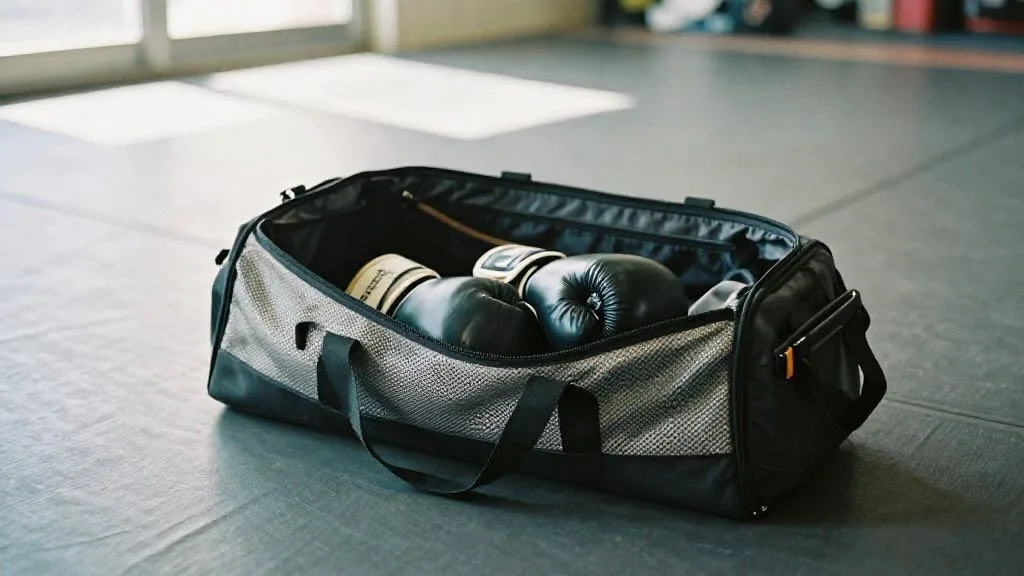
Your bag is a microclimate
Odor blooms when warm moisture sits still. You get roughly 60 minutes before saturated foam turns into a buffet for bacteria and the smell locks into linings. If you change the environment fast enough - cooler air, drier foam, open surfaces - the smell never builds in the first place.
Think in layers. First, the bag must breathe so heat can dump. Second, the gear needs help wicking from the inside. Third, the routine has to be short enough that you actually do it after a brutal pad session. Miss any one layer and the stink wins.
Stop gear bag odor with real airflow
Mesh is only useful if air can move through it. Floppy sacks collapse around wet gear and trap steam. A bag that holds its shape keeps channels open so crossflow can happen while you commute.
- Vents that face each other on two sides for crossflow - look for mesh panels at least 4 inches tall.
- A semi rigid base or frame so vents do not pinch shut under load.
- A separate wet pocket for wraps and rashguards so soaked fabric does not blanket glove liners.
- Fabric that matches abuse level - 1680D ballistic nylon for heavy kits, 600D polyester if you want lighter carry.
Trade-off time. Big vents leak in rain. If you bike or walk, stash a 10 to 15 liter roll top dry sack for drenched gis and wraps. Use it only for transport, then empty it the minute you get home. A sealed weatherproof pack solves rain but kills airflow, which means you must unzip it as soon as class ends.
Backpack or duffel is not just style. Backpacks carry better on a bike and keep weight centered, but narrow openings slow airflow and force you to dig for gloves. Duffels vent fast and dump gear in one move, yet cheap shoulder straps collapse and saw into your neck. For most busy trainees, a medium duffel with opposite-side mesh and a stiff base is the better default.
Drying inserts that pull moisture before bacteria feed
Foam remembers water. Inserts yank that water before it becomes a problem. Not all fills behave the same, and pairing matters.
- Activated charcoal - strong on odor compounds and steady moisture control. Recharge in sun. Expect 6 to 12 months of useful life.
- Silica gel - fast rescue after soaked sessions. Oven or sun recharge works, but do not overbake past 250 F or the casing can crack.
- Cedar shavings - gentle on leather, adds a clean wood note. Slower to dry, mildly antimicrobial, kind to glove interiors.
Verdict for most striking kits: charcoal in gloves, longer charcoal or mixed charcoal plus silica in shin guards. Cedar is a smart companion for leather bag gloves you care about.
A 10 minute post training routine that actually sticks
Make it automatic so fatigue does not kill the habit.
- Before you leave the mat, unzip the bag fully so heat can vent. Do not bury gloves under a wet gi.
- Slide inserts into gloves and shin guards immediately. Palms open. Straps undone.
- Textiles go into a breathable laundry sack, not a plastic grocery bag.
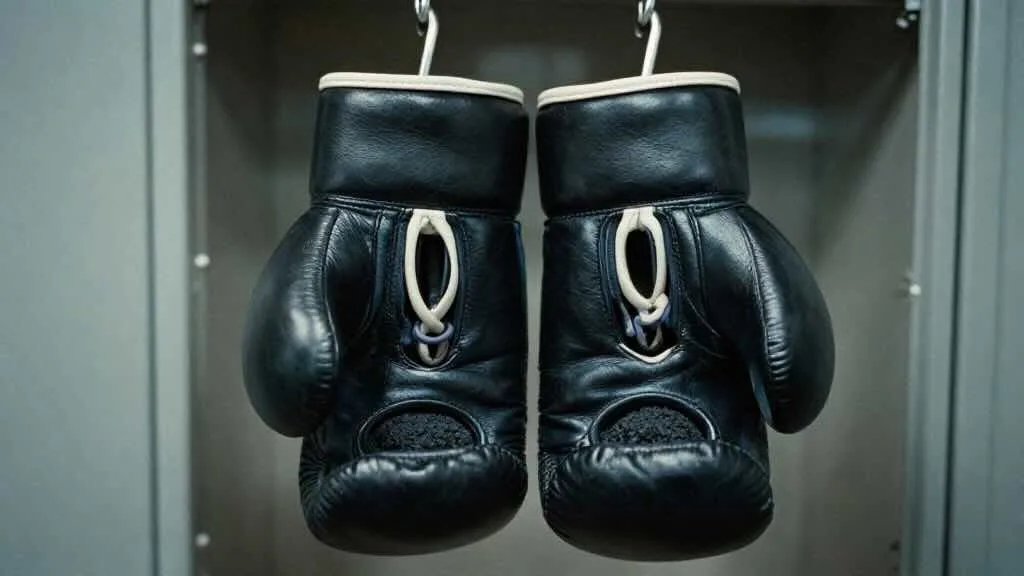
- At home, hang gloves by the cuffs with the openings wide. Crack shin guards so the lining faces air. Undo every strap on headgear.
- Wash wraps every session and rotate at least three pairs so nothing goes back in damp.
- Once a week, wipe the bag interior with mild soap. For synthetics, a light mist of 70 percent isopropyl alcohol helps, then air dry.
I keep a spare set of charcoal inserts in a side pocket and swap them in the parking lot. The bag rides home unzipped on the floorboard, and the 20 minute drive is free drying time.
Upkeep that keeps foam alive
Inserts are consumables. Charcoal loses adsorption sites over months of use. Silica loses efficiency if you cook it too hot or leave it saturated for days. Cedar wakes up with a quick sand that exposes fresh surface.
Set a quarterly reminder to inspect every insert. If a charcoal set rebounds smell within a day after sun recharge, replace it. If silica beads clump or the pouch feels brittle, retire it and move on.
Do not abandon the bag in a hot car. Trunks in summer can spike past 120 F, which accelerates odor and softens adhesives in pad seams. Heat plus humidity is a glue killer.
FAQ
How do you clean glove interiors without damage?
Use a barely damp cloth on synthetic liners, then dry with inserts and airflow. For leather, apply a proper leather cleaner sparingly and extend drying time instead of soaking.
Do UV or ozone gadgets help with smell?
They can reduce load and speed drying, but overuse can degrade foams and fabrics. Treat them as a supplement, not a replacement for airflow and inserts.
How many hand wraps should you own if you train 4 days a week?
Keep at least three pairs so a fully dry set is always ready. Wash after every session.
What vent size actually moves air on a duffel?
Panels around 4 inches tall that run most of the bag length create real crossflow. Small coin grommets do very little.
Can baking soda fix a smelly bag?
It can mask light odors in textiles, but it does not pull deep moisture from foam. Use it only as a backup to inserts and airflow.
Rain, road, and real life
Life adds chaos. Commutes get wet. Mesh rips when buckles scrape. If you are rough on gear, choose 1680D panels where the bag meets metal and accept a few extra ounces. If you value fast drying and carry light, 600D with wide vents is more civilized but less tough year to year.
The small reliability checks matter. Feel under the knuckle pad when you get home. If it is cool and dry, your little microclimate fix is working and the bag can finally ride to training without announcing itself.