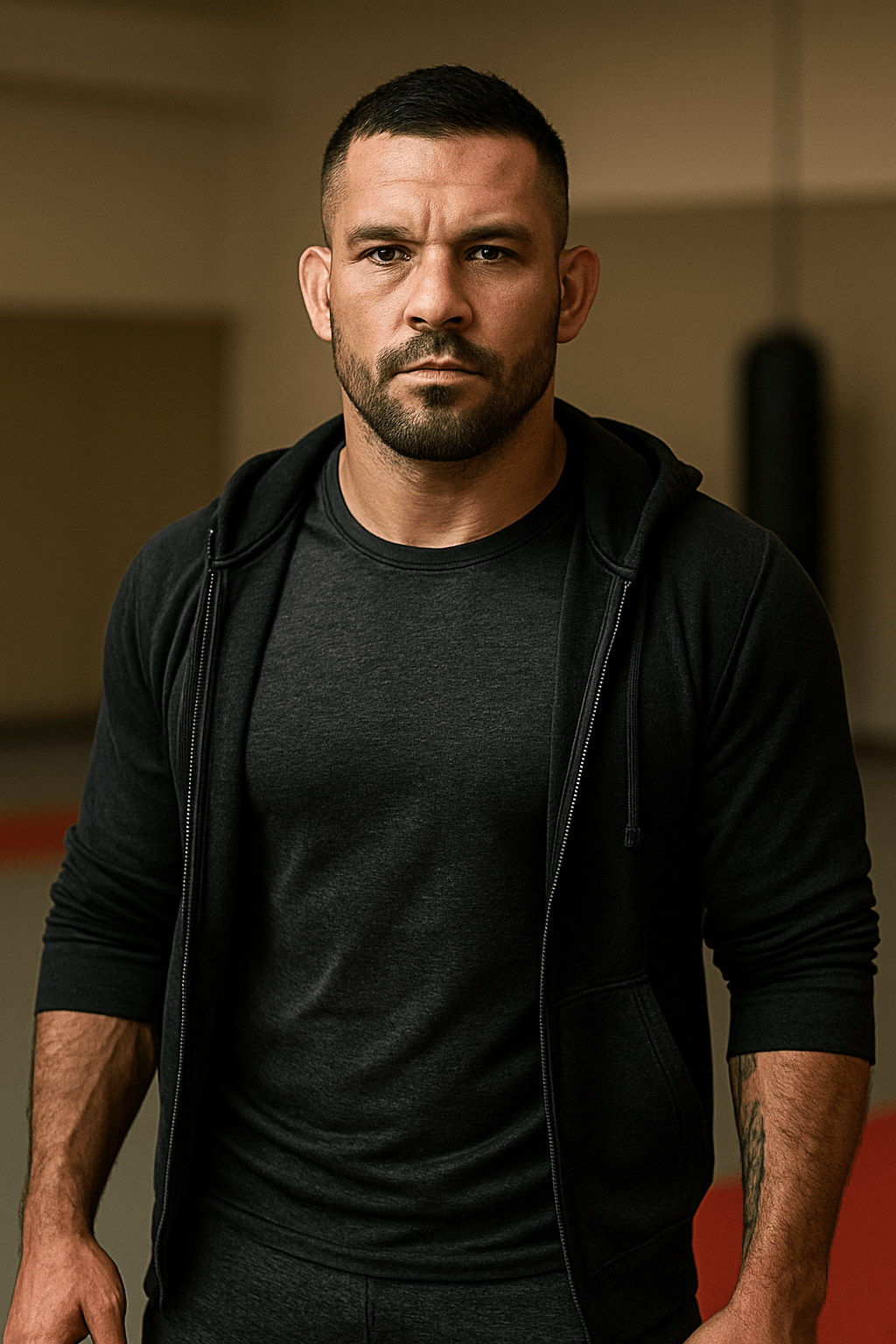
Tape buys you one round. Grappling ear guards buy you a season. If your training includes hard collar ties, head snaps, or pressure passing against frames, you either control the shear on your ear cartilage or it will control your calendar.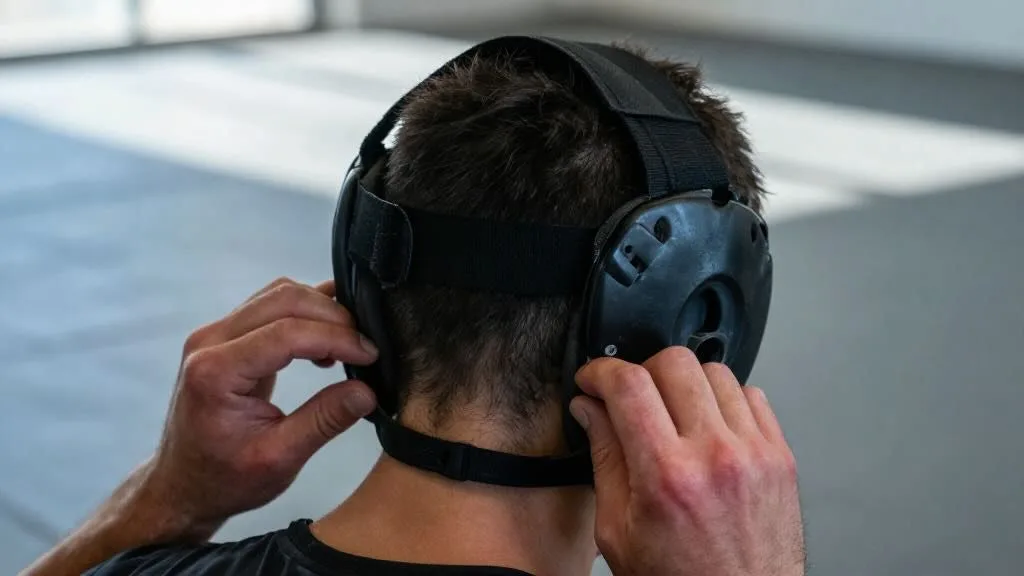
Choosing grappling ear guards for your room, not the internet
Good guards are the ones you forget you are wearing in the second round. That depends more on shell profile and strap geometry than marketing copy. Match the build to the contact your room produces:
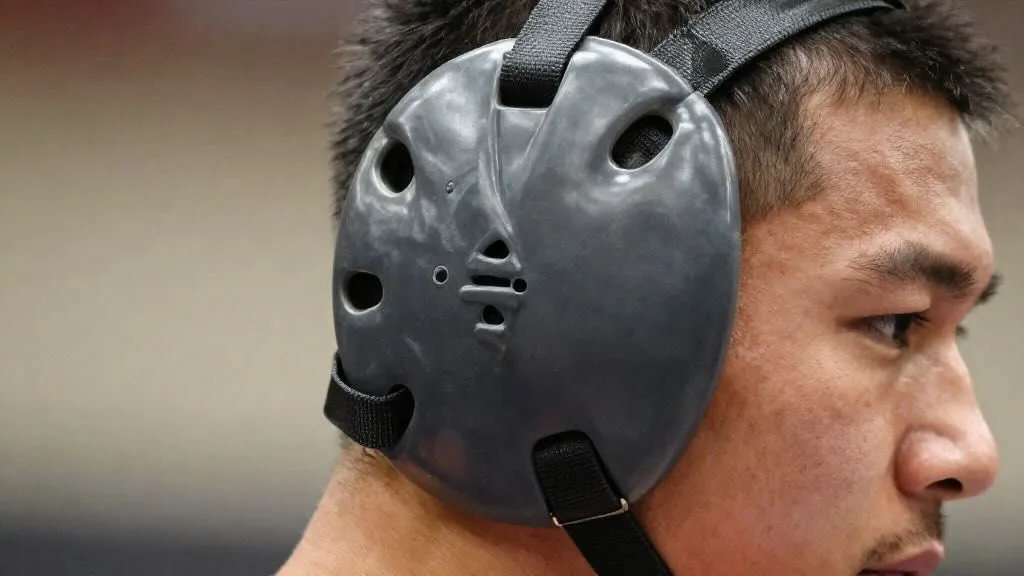
- Hard shell, 4-strap: ABS or TPU cups with 3-6 mm foam. Best at dispersing collar-tie impact and head snaps. Heavier and bulkier in tight guard exchanges. Look for smooth cup rims and stitched anchors, not just glue.
- Soft cup neoprene: Lower profile and friendlier in leg entanglements and closed guard. Accept that shear protection is a step down and sweat management becomes your job. Foam compresses and loses rebound in 12-24 months of regular use.
- Hybrid with dial closure: Quicker to set mid-round and stable when the crown strap is tuned, but the dial housing can create a hot spot if it sits on parietal bumps. Check that the dial plate is low and radiused.
Wrestling-heavy rooms usually tolerate bulk for protection. No-gi rooms often prefer a softer edge to avoid snagging fingers and forearms. Jacket arts need a chin cup that does not twist when sleeves yank your head offline.
Fit that survives sprawls and pummeling
A stable fit comes from strap geometry more than sheer tightness. Cranking everything down only buys you headaches. Set it up once with intent and most daily adjustments become micro tweaks.
- Pre-set the hardware: Start every strap at a middle hole. If you have a dial, loosen until the cups float without falling.
- Center the cup openings: The vent cluster should face the ear canal, not back toward the mastoid. The rim should touch the ear evenly with zero cartilage folded.
- Top first: Tighten the crown strap so the cups do not migrate when you level change. You should be able to slide two fingers under the strap without hair pulling.
- Lock the occipital: The low rear strap prevents riding up on bridges and sit-outs. Tighten until cups stop wiggling when you shake your head side to side.
- Balance the sides: Bring the side straps up until pressure feels even across both zygomatic arches. If you use a chin cup, seat it on the bony jawline, not soft tissue. You should open and close your mouth normally.
- Hearing check: You should clearly hear a coach from 10 meters. If sound is muffled, rotate the cup a few degrees so the vents face forward rather than loosening everything.
- Movement test: Do 10 shots, 10 sprawls, and a 30‑second pummel. Any shift means crown and occipital need a half‑notch before touching the side straps again.
- Trim and tape: Cut excess strap so ends do not whip or catch fingers. If rules forbid cutting, tape the tails flat.
What fails, why it fails, and the quick fix
Hot spots at the helix. That rim pressure usually comes from cups sitting high. Recenter before tightening, then add a 1 mm felt edge strip if the shell is sharp. A simple adhesive moleskin works.
Headaches after two rounds. You are over-relying on side straps. Back them off, add a half‑notch to crown and occipital, and retest movement. Stability without clamping is the target.
Dial bruise. The dial plate is sitting on a bony point. Slide the whole unit 5-10 mm and rebalance. If the plate still rides high, this model is wrong for your head shape.
Chin cup drift. It is floating on soft tissue. Reseat on the jawline and shorten the lower side straps one hole each. If the cup is too shallow, swap to a deeper cup rather than overtightening.
Cleaning and maintenance that actually extends life
Most ear guards die from salt, heat, and neglect, not impact. Rinse sweat off after each session using a mild soap solution, then air dry completely on a hook. Do not cook foam and adhesives in a hot car. Once a week, hand wash in cool water with a small amount of gentle detergent, then finish with a 1:10 white vinegar to water rinse to suppress odor-causing bacteria. Give them at least 12 hours to dry so moisture is not trapped deep in the foam.
Inspect strap anchors, rivets, and dials monthly. A single wobbly anchor becomes a full tear during a scramble. If the padding stays compressed or the liner peels, protection drops - regular year‑round athletes usually replace guards every 12-24 months. Store in a breathable mesh bag, not a sealed backpack, so salt can evaporate instead of soaking into the foam.
Grappling ear guards and rule quirks that matter
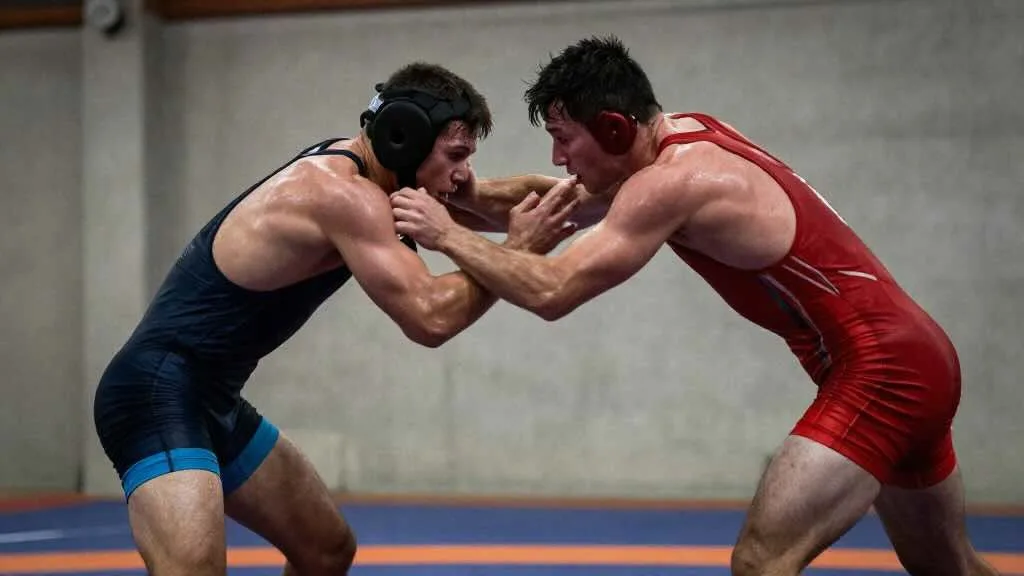
Rules are not uniform. Scholastic and collegiate wrestling generally allow headgear. Many BJJ tournaments do not. Some local events allow soft cups but not hard shells. If you plan to compete, verify the event sheet rather than assuming. In training, agree with partners on shell type. Hard edges can catch fingers in tight guard. On drilling days, a low‑profile neoprene or a hybrid with a radiused rim is a better neighbor.
One small thing that changes how they feel
In practice, I have noticed most “these feel suffocating” complaints disappear when the vents actually face the canal. A 5‑degree rotation forward cleans up hearing without touching strap length. It is the simplest fix in the room.
Quick comparisons you can use
- Protection vs profile: Hard shell disperses force better but snags more. Soft cup flows through guard work but relays more shear on hard ties.
- Speed vs pressure: Dials adjust fast but can create a hot spot. Buckled straps are slower but spread pressure.
- Durability vs comfort: Thicker 5-6 mm foam lasts longer yet holds sweat. Thinner 3-4 mm foam dries faster but bottoms out sooner.
- Weight target: Under 150 g feels invisible. Over 180 g starts to bounce on level changes.
FAQ
- How tight should grappling ear guards be?
Snug without pain. You should open your jaw normally, hear commands from across the mat, and feel cups resist a head shake. If you get pulsing around the ear or headaches, rebalance crown and occipital before touching the sides.
- Can I train through a fresh ear hematoma with guards on?
No. Stop hard contact, use cold compresses, and see a clinician for drainage and compression. Strapping guards over an untreated hematoma risks cartilage damage and infection.
- Do soft neoprene models prevent cauliflower ear as well as hard shells?
They reduce friction but do not disperse point impact as well as rigid cups. In rooms with heavy collar ties, hard shells lower risk more. In guard-heavy sessions, soft cups protect enough with fewer snags.
- How often should I replace ear guards?
When foam no longer rebounds, liners peel, or anchors loosen repeatedly. For athletes training 3-5 days per week, 12-24 months is a realistic window.
- What cleaning ratio works for odor without harming foam?
A weekly 1:10 white vinegar to water rinse after a gentle soap wash helps kill odor-causing bacteria without degrading adhesives or padding.
- Will ear guards affect chokes or head‑and‑arm finishes?
Low profile designs rarely interfere if fitted correctly. Hard shells can slightly change how head‑and‑arm pressure feels, so drill escapes and finishes while wearing them.
The best measure of a headgear setup is silence - no thoughts about straps, no flinching at ties, no adjusting mid‑round. Set them right, keep them clean, and they quietly extend your training life.