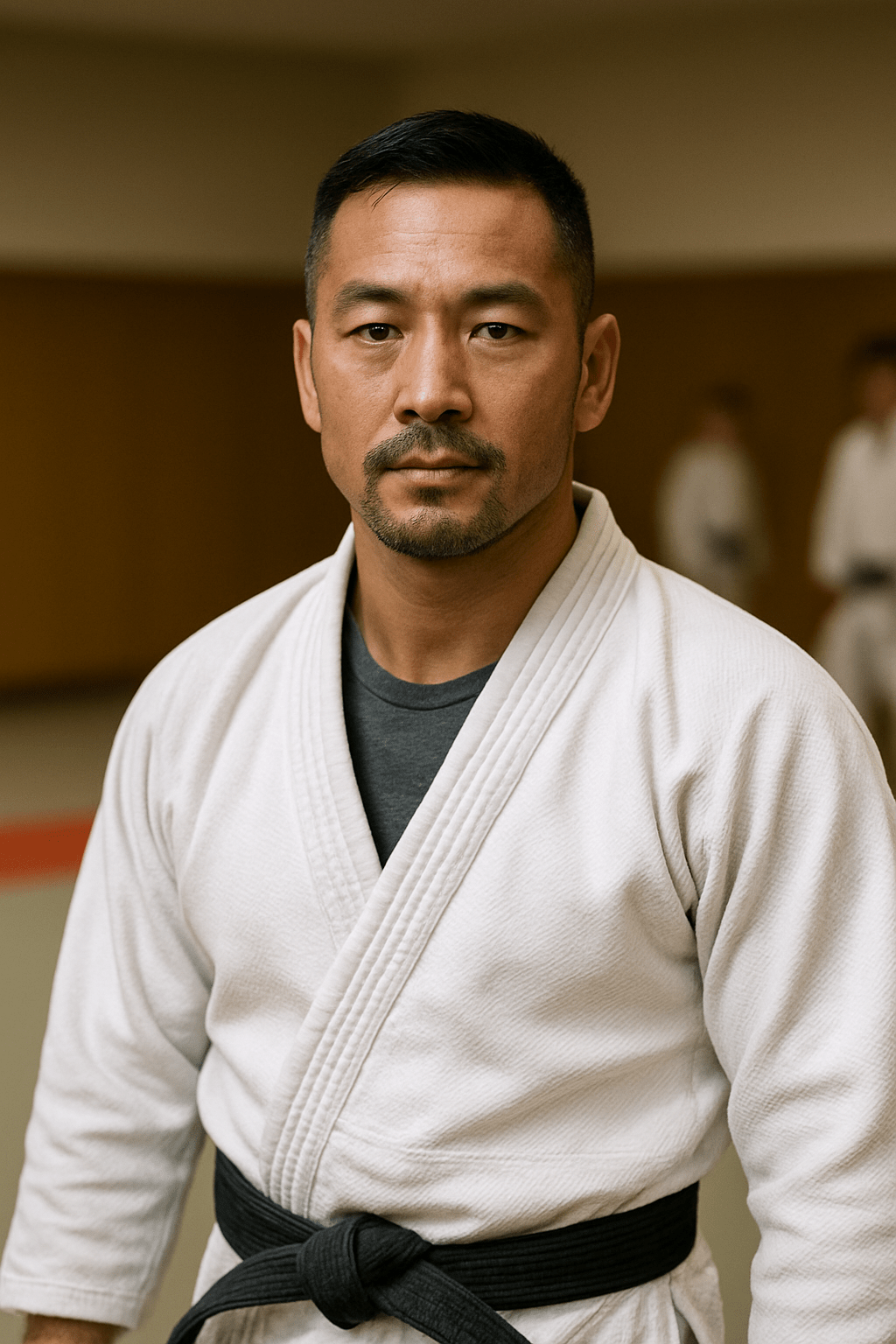
I have watched many strong fighters crumble not from a head shot but from a steady diet of low kicks that shut down their stance. Early in my career, a veteran in Bangkok told me, Protect the legs first, your hands will thank you later. Two decades of Shotokan, Muay Thai, and Brazilian Jiu-Jitsu have reinforced that lesson. In the spirit of training and techniques that stand up in sparring and competition, this guide focuses on how to neutralize the low kick without taking unnecessary damage - and how to return fire intelligently.

Quick Summary
- Low kicks are powerful because they attack balance, mobility, and the peroneal nerve. Your first goal is damage reduction, not a highlight-reel counter.
- Use three primary options - shin checks, controlled catches, and step-offs - and blend them based on distance and timing.
- Keep hands disciplined while checking. Many fighters get hurt because they lift the leg and drop the guard.
- Train progressive contact. Condition the shin smartly and prioritize safe partner drills before hard sparring.
- Angle off after defense. A safe leg defense should set up a clear counter line, not a coin toss exchange.
Why the Low Kick Works and What You Must Deny
The low kick targets the thigh, knee line, or calf to disrupt structure and pain tolerance. A good outside low kick rotates your lead leg inward and can numb the peroneal nerve. Inside low kicks jam your base and force your hips open. Calf kicks hit below the knee and can make your lead foot unreliable. Deny these outcomes by placing bone on bone with a shin check, removing the target with a step, or absorbing while controlling their leg with a catch. The safest choice is the one that costs you the least balance while costing them the most position.
Step-by-Step Technique Breakdown

1. The Shin Check - Outside Low Kick
- Stance: Balanced orthodox or southpaw, chin tucked, elbows in. Lead foot slightly toed out for stability.
- Execution: Lift the lead leg quickly with the knee pointing outward. Dorsiflex the foot - toes up - and turn the shin so the upper third meets the kick. Keep the hip slightly forward so you are not checking with the soft side of the calf.
- Guard: Rear hand stays high to protect the head. Lead hand frames lightly in front of the face, not reaching down.
- Return: Land the checking foot back on angle. Common counters are a same-side low kick, a jab to cross, or a teep to reset distance.
- Mistakes to avoid: Lifting the knee too high, hopping straight up, exposing the groin line, or dropping your hands to admire the check.
2. Inside Low Kick Check
- Stance: Same base stance. Expect the inside kick when the opponent is closer or you are matched orthodox to orthodox.
- Execution: Raise the lead leg with the knee pointing slightly across your center to present shin on the inside line. Keep the hips stacked so the knee does not collapse inward.
- Return: Quick cross or lead hook follows naturally. Alternatively, set the foot down outside their lead foot to angle off.
- Mistakes to avoid: Turning the knee in too far and risking a knee tweak, or leaning back and losing your base.
3. The Catch - Control Without Wrestling the Kick
- Timing: Best against predictable, slower low kicks or when the opponent over-commits. Avoid reaching on fast kickers.
- Execution: As the kick lands on the lower thigh, dip your level slightly and connect forearm to shin. Guide the leg upward with the same-side hand while taking a small step back at a 45 degree angle.
- Control: Keep your elbow close to your ribs and your head off the center line. Think of elevating their leg just enough to upset balance.
- Counters: Sweep the standing leg with your instep, or touch with a straight right or left cross as they recover. In light sparring, keep the sweep controlled.
- Safety note: Do not torque the knee. If rulesets disallow catches, train it as a positional awareness drill.
4. Step-Offs and Angled Evasion
- Step outside: As the low kick comes, shift your lead foot a small step outside their lead foot. Rotate your hips to reduce contact while opening the lane for a cross or rear kick to the body.
- Step inside: For inside low kicks, step your lead foot inside and slightly forward to jam their hip. Your lead hook or rear uppercut is available immediately.
- Footwork details: Keep steps short and quiet. If your heel slaps the floor, you likely moved too far or too late.
- Common error: Overstepping and turning your back. Angle, do not run.
5. Calf Kick Specific Answers
- Pull check: Slightly retract the lead foot while lifting the shin so their kick meets bone, not tendon. Think micro step, not a hop.
- Knee shield: From a tight guard, point the lead knee outward to create a small shield while maintaining hands up. Follow with a quick jab or teep to re-establish distance.
- Counter idea: After a successful pull check, the immediate return low kick to their inside calf or thigh lands before they reset.
Drills That Build Reliable Reactions

Good defense is a habit built through reps. Here are partner and solo options I use with both pros and hobbyists.
- Wall balance checks: Stand an arm length from a wall. Lightly touch the wall with your fingertips and rep 3 sets of 20 checks each side, focusing on knee orientation and silent landings.
- Metronome timer: Set a metronome or round timer. On the beat, alternate outside and inside checks. Add a jab on odd beats and a low kick return on even beats.
- Dutch style 3-count: Partner throws low kick. You check, return a low kick, then add a hand combo. Rotate sides every round to avoid one-sided habits.
- Catch and reset: In light contact, partner gives a predictable low kick. You guide and lift an inch, place their leg down gently, and touch the cross. Focus on posture and head position.
- Angle ladder: Place a small cone outside your lead foot. As the kick comes, step to the cone, pivot, and throw a two-strike counter. This grooves the step-off.
Common Mistakes I See in the Gym
- Over-rotating the hip on the check: This exposes the groin and weakens the base. The check is a small, sharp shield, not a dramatic twist.
- Leaning backward: Leaning steals your counter options and can hyperextend the knee. Keep shoulders above hips.
- Trying to catch every kick: Catches are a read, not a reflex. If you reach and miss, you eat shin.
- Static feet: Only checking teaches you to be a post. Blend checks with step-offs to avoid being timed.
- Skipping shin conditioning: Condition gradually. Start with pads and controlled partner contact before hard sparring.
Strategy, Timing, and Reading the Hip
Before practicing the technique, it helps to understand the basic mechanics behind it. Low kicks often telegraph through hip load and foot position. Watch the stance width, the shoulder drop, and how the kicker plants the base foot. In many sparring sessions, you can see the hip rotate a fraction before the leg travels. Train your eyes on the hip line, not the foot. From southpaw to orthodox, the outside angle becomes a premium - step your lead foot outside theirs and the cross is almost handed to you.
Choose your counter based on how clean the defense felt. A solid bone-to-bone check invites a same-side return kick. A soft contact might require a jab to reset. After a step-off, let the line present itself - cross to hook, or rear kick to the body as their hands recover. Resist the urge to swing big. Precision beats enthusiasm when your base has just been tested.
Safety, Conditioning, and Longevity
Shin conditioning works best with moderate, consistent exposure. Start with heavy bag rounds and pad rounds that include light checks. Add partner pitter-patter rounds where the aim is placement, not damage. Strength work that supports checking includes tibialis raises, calf raises with toes up, controlled ankle dorsiflexion, Copenhagen planks for adductors, and hip abduction work to protect the knee line.
Recovery matters. Roll the quads and calves, use gentle range of motion drills for the knee and ankle, and respect any nerve zaps on the outside of the thigh. If you cannot squat without pain the next day, back the intensity down. Consistency beats bravado.
FAQ
- How can I practice checks solo? Use shadowboxing with a focus on knee orientation and silent landings. Add a bag or pad held low to groove impact angle.
- What if my opponent keeps feinting the low kick? Rely more on step-offs and framing with the lead hand. Full checks on every feint will tire you and open head shots.
- Where should my hands be during a check? Rear hand glued to your temple and jawline, lead hand in front of your face. Do not reach down to catch unless you already have the leg on your forearm.
- Are catches legal in all competitions? No. Some kickboxing rules disallow prolonged holds. Train the feel, but know your ruleset.
- How do I deal with calf kicks without hurting my knee? Use pull checks and small step-offs. Keep the knee flexed slightly and avoid hard twists when presenting the shin.
I am Kenji Blaze Tanaka, and what I value most in leg defense is quiet confidence - small, repeatable movements that solve the problem and keep you in the fight. Build these checks, catches, and step-offs patiently, and your offense will have a stronger foundation. Show up, drill with intention, and remember that good defense is a daily habit, not a last minute fix.