I was first taught to read intent before technique. In classical Jujutsu notes from the Edo period you find repeated instructions to watch the eyes, the hips, and the hands - a simple reminder that violence declares itself in the body before it erupts in the world. Years later, training Krav Maga with students preparing for security work, the same lesson held true. Pre-attack cues are not abstract theory. They are the small behaviors that give you the time to think, move, and de-escalate. In self defence and practical use, this time window is everything.

Quick Summary
- Build a baseline for normal behavior and notice meaningful changes.
- Watch the hands, hips, and feet for access to weapons and attack preparation.
- Use a conversational fence to manage distance and angle while de-escalating.
- Decide early - leave, reposition, create a barrier, or preemptively move if the threat is imminent and unavoidable.
- Train scenario drills that combine voice, movement, and decision making under stress.
Context first: baseline, anomalies, and proxemics
Before memorizing a list of signals, learn to build a baseline. Baseline means what looks normal for the place and time you are in. A subway at rush hour has a different baseline than a quiet parking lot at midnight. You are looking for anomalies - sudden changes in movement, attention, or space that do not fit the setting.
Proxemics refers to personal space. Roughly, the intimate zone is within an arm’s length, the personal zone is a step or two away, and the social zone is beyond easy reach. Offenders often test or collapse these zones. Common patterns include drifting too close during a question, flanking with a partner, or backing you against a fixed object. Your job is to recognize the space change early and correct it before it becomes a trap.
Decision making improves when you cycle quickly through observe, orient, decide, and act - often called the OODA loop. Pre-attack cues feed the observe and orient phases so your decisions and actions are timely rather than late reactions.
Reliable pre-attack cues I teach and look for

No single cue is absolute. Clusters of cues, combined with context, raise the threat level. Here are patterns that repeatedly show up in real incidents and role-play training:
- Target glances and witness checks: Looking past you to your bag or phone, scanning for cameras, or checking where their friends are positioned. Offenders often verify that the environment is favorable before they act.
- Grooming and weapon access behaviors: Repeatedly touching the waistband, pocket, or a concealed area, tugging at clothing, or clearing a jacket hem. This often precedes drawing or striking.
- Blading the body: Turning one side toward you with the dominant foot back to load power or hide a hand. The hips tell the truth - if they align for a punch or rush, prepare to move.
- Hands disappear: Hands vanish behind the leg or into pockets while the shoulders rise. Hidden hands are a classic danger sign.
- Upper body preload: Shoulder dip, elbow twitch, slight crouch, or a subtle bounce that precedes a punch, shove, or tackle. The body coils before it springs.
- Facial and breathing shifts: Jaw clench, nostril flare, rapid or held breath, a hard stare or sudden thousand-yard look. Adrenaline alters face and breath just before action.
- Boundary tests disguised as kindness or need: “Can I borrow your phone?” while drifting closer, or a request that anchors your attention while they invade space. The content of the question matters less than the spatial change it drives.
- Triangulation and blocking: A partner drifts to your side or behind while the talker holds your attention. Doors, cars, or corners become clever cages.
- Sudden silence in a heated exchange: Arguments sometimes peak with quiet right before the swing. When words stop and posture hardens, expect movement.
- Environment manipulation: Lights moved off, music volume up, or a path subtly closed. Predators prefer privacy or confusion.
Individually, these can be innocent. Together, especially with space encroachment and hidden hands, they demand a decision.
The conversational fence - calm posture, strong position

Across cultures and centuries you find a simple self-defense habit: put something between you and harm. When no physical object is available, your hands and angle become that barrier. In modern training we call this the fence - a non-threatening, palms-open posture that protects space while you talk.
Step-by-step technique breakdown: establishing the fence
- Starting stance: Stand at a slight angle, lead foot forward, knees soft. Keep your hips mobile. This reduces the chance of being squared up and rushed.
- Hands up, palms visible: Raise your hands to chest level, elbows in, palms open as if saying “I do not want trouble.” This looks friendly yet shields your head and line to your center.
- Manage distance with small steps: If they advance, you take a short step back or angle off while maintaining eye contact with their chest and hands. Do not plant your feet.
- Voice and boundary phrase: Use a clear, steady tone. Examples: “Stop there, I can hear you from there,” or “That is close enough.” Repeat, do not debate.
- Common mistakes: Pointing with a finger, crossing your arms, or letting your hands drop. Also avoid backpedaling in a straight line where you may trip.
This posture buys time, reduces your visual threat, and shortens your reaction path if you must parry, shield, or create a lane to exit. In many beginner classes the fence alone prevents escalation because it respects both communication and safety.
When cues stack up - practical decisions
Pre-attack cues are useful only if they drive early action. Options, in order of preferred outcome:
- Leave early: If your baseline is spiking with anomalies, exit. Change sides of the street, go into a lit store, or get on a bus. Avoid the corridor where trouble is strongest.
- Use barriers: Put a table, car, bench, or bollard between you and the person. Objects break lines of attack and slow advances.
- Reposition and angle: Do not let yourself be cornered. Move to open space, keep unknown parties in view, and avoid being pinned against walls or cars.
- De-escalate with clarity: Short phrases, calm tone, and non-judgmental language. Do not trade insults. Do not educate. You are buying time to leave.
- Call attention: Ask a bystander for help by name if possible - “You in the blue jacket, please call the police.” Public attention often reduces offender commitment.
- Preempt only when necessary: If an imminent attack is clear and escape is cut off, act decisively to create a path out. In self defence and practical use, the objective is disengagement, not prolonged fighting.
Legal and ethical considerations matter. Laws vary by region, but consistent principles include avoiding conflict where possible, using proportionate force, and contacting authorities after any incident. Document what you perceived - the cues that shaped your decision - because perception explains action.
Training drills that build real-world awareness
Awareness is a trainable skill. The goal is to integrate observation, posture, voice, and movement while under a bit of pressure.
- Baseline walk: During a normal errand, note three typical behaviors in the environment, then one anomaly. Do not stare. Catalog, then move on. This builds quiet observation without paranoia.
- Five-scan habit: Periodically scan hands, hips, feet, exits, and obstacles. Hands reveal tools, hips reveal intent, feet reveal movement, exits and obstacles reveal your options.
- Partner interview drill: A partner approaches with a pre-attack script - grooming, blading, hidden hand - while asking for directions. Your job is to establish the fence, set a boundary, and angle off without escalation.
- Barrier and exit drill: In the gym, place chairs or shields as obstacles. Start in neutral conversation. When the trainer calls a cue like “hidden hand” or “flank,” you move to a barrier and exit line while keeping verbal control.
- Startle-to-fence integration: Begin with hands down and mild startle noise from a coach. Snap to the fence, step to angle, then deliver a simple shield or palm and disengage. This ties reflex to structure.
- Phone and bag realism: Practice with common encumbrances - backpack on one shoulder, phone in one hand. Learn to free a hand, secure your belongings, and still establish posture.
After practicing these repeatedly, most students report that their early decisions improve, and confrontations deflate before they start. That is the quiet success you want.
Common mistakes that sabotage early detection
- Tunnel vision on the face: The hands and hips tell more than facial expressions. Do not miss a waistband touch because you are arguing.
- Freezing in place: Awareness without movement is half a skill. Angle, step, or use a barrier as soon as the space feels wrong.
- Confirmation bias: Wanting the person to be safe so badly that you ignore stacking cues. Be polite and firm, not naive.
- Ego engagement: Trading insults, proving a point, or “winning” the talk. Your goal is leaving intact, not scoring debate points.
- Hands occupied: Coffee in one hand, phone in the other, bag hanging loose. Free a hand before addressing a stranger inside your personal zone.
- Over-reading a single cue: One nervous gesture can be nothing. Look for clusters matched with position and proximity.
Training tips
- Pair every awareness cue with a movement response. For example, hidden hands equals step to angle plus verbal boundary.
- Practice boundary phrases out loud. The first time your voice should not be in a crisis.
- In pad sessions, add start and stop commands mid-combination to simulate interruption and decision shifts.
- When sparring, start one or two rounds from conversational range. Work the fence into your entries and exits.
FAQ
- How do I tell nervous habits from real pre-attack cues? Look for clusters. A single fidget is weak evidence. Add blading, proximity collapse, hidden hands, and witness checks, and the risk rises sharply.
- What if I read it wrong and leave early? You simply took a cautious route. There is little cost to leaving and a high cost to ignoring red flags.
- Do weapon cues look different? Often you will see waistband or pocket touching, a clearing of clothing, or a stiff arm that hides the hand. Keep distance and use barriers quickly.
- What about multiple opponents? Expect a talker and a mover. Keep both in view, avoid being split, and move to open space. Triangulation is a cue to exit now.
- Is a preemptive strike justified? Only when you reasonably perceive an imminent attack and cannot safely disengage. Laws vary, so train to favor early exit and proportional response.
- Can I practice awareness alone? Yes. Run the baseline walk, five-scan habit, and voice practice daily. Then add occasional partner drills to test timing and stress.
Martial traditions teach that strategy begins before contact. Whether reading classical manuals or coaching modern students, the lesson repeats itself: see earlier, move earlier, and you rarely need to fight. Build the habit this week. On your next walk, find the exits, notice the hands and hips, and practice a quiet boundary phrase. Small, consistent reps shape reliable judgment when it matters.
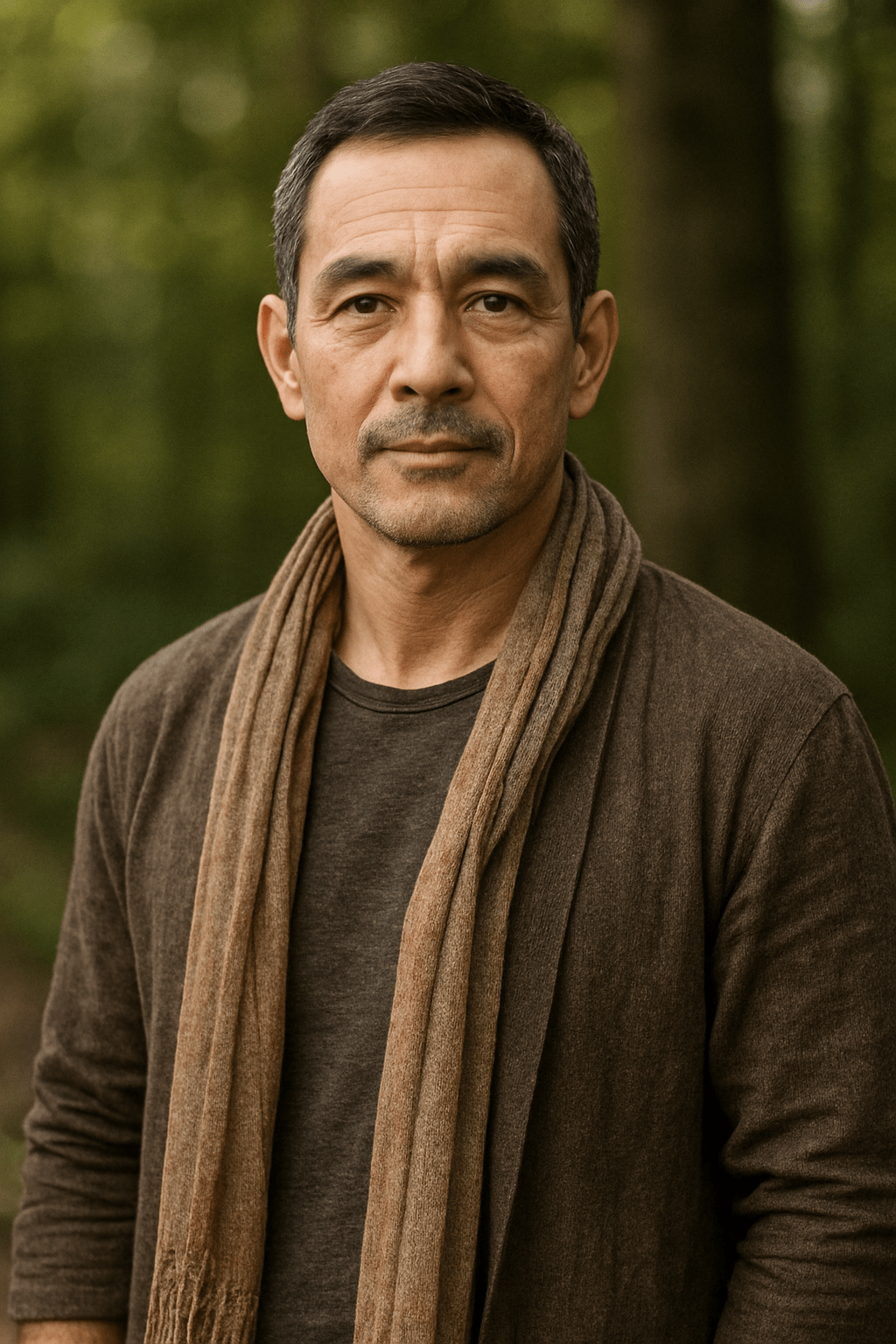
Alexander “The Scholar” Kane teaches and researches the intersections of combat history and modern self-defense. His workshops connect time-tested principles to everyday practice with an emphasis on awareness, strategy, and adaptability.