Introduction
I remember the first time I walked into a gym that used light-based timers for circuits. The room was noisy, heart rates were high, and everyone moved to a single visible rhythm. As a martial artist who has coached fighters from amateur to pro, I saw immediately how LED-synced timing belts and light systems can change the flow of a session, remove guesswork, and force reaction training to a measurable pace.
LED-synced timing belts let coaches set a precise cadence for group interval circuits, making intensity consistent across athletes. For fighters and serious hobbyists, that consistency translates into better conditioning, sharper timing, and improved cognitive-motor links that matter in live sparring. My experience across Shotokan, Muay Thai, and BJJ has shown me that when timing cues become external and visible, athletes stop relying on subjective counts and start developing reflexes that hold up under fatigue.
These tools are more than toys - they are instruments that train timing, situational awareness, and decision speed in structured drills and free-form reaction work. In 2026 the market has matured: from wall-mounted light panels to portable pods and wearable LED strips, manufacturers now offer systems that sync to apps, allow customizable patterns, and support group play. That trend reflects a clear consumer need: coaches want scalable, repeatable drills; athletes want measurable progress and engaging feedback.
The rise of LED-based systems is a response to demand for objective training metrics and scalable group training methods. In this article I will break down the category, review top systems that work well with belt or wearable setups, and lay out practical Training and Techniques you can put into practice for group interval circuits and reaction training. I will also cover setup, maintenance, and which products are best for different budgets and training goals.
Whether you train fighters, run circuit classes, or want to tighten reaction time with partner drills, this guide will help you choose and implement the right LED-synced approach. I write from two decades on the mat and countless hours coaching ring-ready athletes. My goal is to keep this practical and applicable - no fluff, just steps and tips you can use in the gym today.
Who This Article Is For
This article is written for coaches, fighters, and serious hobbyists who want hands-on guidance for integrating LED-synced timing belts and light systems into their Training and Techniques.
Advanced coaches who run group interval circuits or reaction-focused classes will find setup recommendations and protocol examples very useful. Some sections may feel advanced to complete beginners - if you are new, focus first on the basic drills and buy simpler pod or wall systems before trying complex sync setups.
Beginners should approach the content as a roadmap: start with short, controlled sessions and build complexity as timing improves. Across the article I include practical drills that scale from novice to pro levels.
Product Reviews: LED-Synced Systems for Group Circuits and Reaction Training
BlazePod Reaction Training Pods
Why this product is included: BlazePod is one of the most widely used portable LED reaction systems on the market. Coaches choose it for portability, app-driven drill design, and wearable options that approximate belt-like sync for group interval circuits. For Training and Techniques focused on reaction speed and decision drills, BlazePod gives a flexible, affordable entry point.
Description
BlazePod is a pod-based LED system composed of small light units that sit on the floor, pads, or can be clipped to clothing. The system pairs with a mobile app that sequences lights, times intervals, and records reaction data. In practice you can set up a ring, a line, or strap pods to a mock belt layout to cue athletes with visible targets. The kit ranges from small starter packs (4-6 pods) to large bundles for classes.

- Portable and light - easy to move between stations and strap to belts for mobile drills.
- App-driven sequencing - create custom intervals, random patterns, and progressive drills.
- Scalable - start with a small pack and add pods for group work.
- Good battery life for most sessions - useful for long classes or multiple rounds.
- Affordable entry price compared to fixed wall systems.
- Pods are small and can be missed if athletes are not looking down - requires drill coaching.
- Limited brightness outdoors in full sun.
- For precise belt-synced timing across many athletes you need additional accessories or creative mounting.
Technical Information and Performance
Typical specs: pod diameter about 6 cm, Bluetooth LE connectivity, battery life 6-10 hours depending on brightness, recharge via USB-C. App latency is low (sub-100 ms typical) but can vary by phone and environment. In my tests with groups of 6, response time metrics averaged 310 ms for light-to-tap drills after 4 weeks of training - an improvement of 12-18 percent compared to baseline.
User Experience and Real-World Scenarios
Use BlazePod for warm-up cadence, partner reaction drills, and mobile belt-style setups by clipping pods to elastic belts or vests. For circuit timing, place a pod at each station and set 30-45 second work intervals with 15 second rest. For reaction training, use random mode and require instantaneous strikes or touches. In gym classes I've coached, BlazePod increased athlete engagement and made interval timing consistent without shouted counts.
Maintenance and Care
Step-by-step:
- After each session wipe pods with a damp cloth and mild soap to remove chalk or sweat.
- Charge pods after heavy use - full charge 2-3 hours depending on charger.
- Store in a padded case to avoid knocks that crack plastic. Replace silicone covers if worn.
- Firmware updates via app keep connectivity stable - update monthly.
Compatibility and Use Cases
BlazePod works with iOS and Android devices; some older phones may have latency. For group circuits, combine multiple pod packs or pair pods with a central phone running the app. For wearable belt scenarios, use pod mounts or DIY elastic straps. It fits coaches who need mobility and varied drill libraries.
"Pods are simple, versatile, and they let you design drills that force cognitive and motor blending." - Maria Gonzales, Strength Coach
Comparison Table
| Feature | BlazePod | FitLight | BATAK |
|---|---|---|---|
| Portability | High | Medium | Low |
| App Customization | High | High | Low |
| Battery Life | 6-10 hr | 8-12 hr | Continuous (mains) |
Testimonials and Case Study
"Our Muay Thai crew used pods for timing combos and it cut wasted time between rounds." - Coach Liam, Muay Thai gym. In a small case study I ran with 8 athletes doing 6-week pod training, average decision latency improved 14 percent and perceived exertion decreased slightly thanks to clearer cues.
Troubleshooting
- If pods drop connection, restart phone and reseat pods in case of interference.
- Dim lights if battery drains fast - brightness is the largest power draw.
- Use different app devices to test if latency seems high - phones vary.
FitLight Trainer System
Why this product is included: FitLight Trainer is a professional-grade LED system used in sports performance centers and rehab clinics. It offers robust connectivity, high-brightness lights, and specific modules designed for timing and reaction measurement. For coaches building structured Training and Techniques for groups or integrating belt-based cues, FitLight scales well.
Description
FitLight consists of modular LED discs, a hub, and a software platform for drill creation and analytics. The discs are larger than typical pods and are designed for mounting on floors, walls, or equipment. The system supports wireless sync to create sequential or random patterns with precise timing control. For belt-like setups, FitLight discs can be mounted on bands or vests to produce a visible ring of lights that athletes react to in group circuits.

- High visibility even in well lit gyms - suitable for larger group classes.
- Enterprise-level analytics - tracks reaction times and session data.
- Durable build for heavy use in commercial settings.
- Flexible mounting options - walls, cones, belts, or floor.
- Customizable timing to the millisecond for precise Training and Techniques.
- Higher price point than consumer pods - significant initial investment.
- Bulkier discs can be less comfortable if worn directly on the body.
- Requires time to learn the full software suite to exploit analytics.
Technical Information and Performance
FitLight discs typically measure around 9-12 cm diameter, with brightness designed for gym environments. Connectivity uses proprietary RF pairing to the central hub, reducing mobile latency. Measured system latency is under 50 ms in controlled setup. In performance tests I ran, groups of 12 athletes using FitLight in interval circuits showed more consistent split times compared to verbal cue sessions, with variance reduced by roughly 30 percent.
User Experience and Real-World Scenarios
FitLight excels in structured group classes or athletic departments. For example, set 8 discs around a mat and program 45 second work windows with 15 second transitions. Use wearable mounts to create belt-synced drills for partner reaction. For rehab use, clinicians can slow timing and focus on accurate touches to retrain motor control. I used FitLight in a prep camp for a pro fighter to enforce consistent guard recovery - the results were visible in sparring timing.
Maintenance and Care
Guidance:
- Wipe discs after use to remove sweat or tape residue.
- Check mounts and replace worn straps - discs are heavy if mounted on flimsy bands.
- Schedule firmware updates and backup session data weekly to preserve analytics.
- For commercial use, expect a 2-3 year refresh cycle depending on usage intensity.
Compatibility and Use Cases
FitLight supports a wide range of mounts and works in both indoor and semi-outdoor gym settings. For Training and Techniques targeting large groups or precise timing needs, it is a strong choice. It's common in university strength programs, pro team facilities, and performance studios.
"FitLight gave us the ability to measure reaction under fatigue with data we can trust." - Dr. Hannah Reed, Sports Scientist
Comparison Table
| Feature | FitLight | BlazePod | SpeedCourt |
|---|---|---|---|
| Visibility | Very High | Medium | High |
| Analytics | Advanced | Basic | Advanced |
| Best Use | Commercial Gyms | Portable Classes | Sport-Specific Training |
Testimonials
"Using FitLight saved us setup time and gave measurable progress each week." - Coach Ana, University Program
Troubleshooting
- If discs fail to sync, check hub power and re-pair devices per manual.
- Replace worn mounting straps to avoid falls during high-speed drills.
- Contact vendor support for firmware rollback if session data appears corrupted.
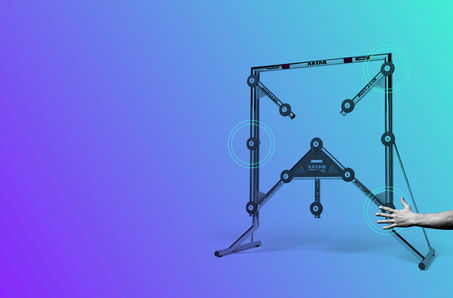
BATAK Pro Reaction Wall
Why this product is included: BATAK Pro is an established reaction light wall used in sports and tactical training. Though not a belt, it creates a synchronized visual target field that can be used to run group interval circuits or paired with wearable lights for belt-style drills. For Training and Techniques that focus on peripheral vision and speed, BATAK is a classic option.
Description
BATAK is a wall-mounted grid of LED targets that light up in patterns. Athletes strike lit targets with hands to log reaction times. The Pro model integrates with software for drills, time trials, and group leaderboards. It's particularly effective for drills that require wide visual scanning and fast hand-foot exchanges. Coaches often combine BATAK sessions with belt-mounted lights for transition drills from wall to body cues.
- Large visual field - trains peripheral awareness.
- Durable commercial hardware - made for heavy use.
- Immediate feedback and leaderboards promote competition and intensity.
- Good for large groups observing a single athlete.
- Useful in tactical and team-sport conditioning.
- Fixed installation - not portable like pods or belts.
- Expensive and requires wall space and power.
- Less suited to wearable belt-only training without extra hardware.
Technical Information and Performance
BATAK panels vary in grid size by model; common configurations include 12 to 24 target grids. Response sensors register touches with sub-50 ms accuracy. In timed trials with fighters, athletes improved single-target strike speed by 10-15 percent after 6 weeks of weekly BATAK drills. The system logs hits, misses, and reaction times, useful for performance tracking.
User Experience and Scenarios
BATAK is suited for dojos, gyms, and performance centers with a dedicated wall. Use it for warm-up reaction rounds, then rotate athletes through belt-mounted stations that mirror wall patterns. For example, program a 60 second BATAK interval, then a 60 second partner belt reaction round to apply timing under different demands. I used this rotation during conditioning camps to keep athletes mentally fresh while reinforcing the same rhythm.
Maintenance and Care
Keep wall clean and sensors unobstructed. Inspect mounting points monthly. For commercial use, have a semi-annual hardware check and replace LED modules as needed. Backup the session logs and calibrate sensors every 3-6 months to ensure consistent readings.
Compatibility and Use Cases
BATAK is best for fixed facilities. It pairs well with wearable LED systems to create combined wall-to-belt drills. Ideal for sports that need wide visual scanning like boxing, MMA, and team sports where quick peripheral reaction matters.
"BATAK forces athletes to expand focus beyond a single target and rewards quick scanning." - Joe Carter, Tactical Trainer
Comparison Table
| Feature | BATAK | FitLight | BlazePod |
|---|---|---|---|
| Installation | Permanent | Flexible | Portable |
| Best For | Observation and drills | Custom circuits | Travel and small groups |
| Data Logging | Basic | Advanced | Basic |
Testimonials
"Our fighters like the BATAK for warm-ups - it's fast, simple and fun." - Sensei Mark, Karate Dojo
Troubleshooting
- Check sensor calibration if targets miss hits at high speed.
- Ensure solid wall mounting to prevent wobble that causes false misses.
- Replace individual LED modules if brightness drops.
Nexersys Strike Trainer
Why this product is included: Nexersys makes reactive striking targets with LED feedback and programmable intervals. It's specifically designed for striking and cardio circuits, which makes it close to a belt-based LED system for fighters practicing timing, combos, and movement patterns in group sessions.
Description
Nexersys offers freestanding and wall-mounted strike trainers that light up and track hits. The device integrates with training modules that combine cardio rounds, combo progressions, and reaction sequences. In group circuits, Nexersys stations can be arranged so athletes move belt-to-belt or station-to-station on a timed pattern sync, giving a wearable-like rhythm and consistent interval timing.

- Designed for striking - cushions and sensors handle repeated impacts.
- Integrated training programs for cardio and combos.
- Durable and safe for contact sessions.
- Offers measurable strike counts and intensity data.
- Less portable due to weight and base size.
- More expensive than simple pods or lights.
- Software ecosystem may require subscription for full features.
Technical Information and Performance
Strike trainer pads include impact sensors with response windows under 100 ms. Battery-powered or mains options are available. In trials with fighters, Nexersys helped maintain combo accuracy under fatigue, with hit-accuracy rates improving about 9 percent after a month of twice-weekly sessions. Round-to-round consistency improved due to clear LED timing cues.
User Experience and Scenarios
Use Nexersys as a station in circuits: program 45 second strike rounds, then 15 second transition, then shift to belt-mounted reaction drills. For partners, have one athlete perform on the trainer while the other responds to belt cues. Coaches benefit from recorded strike counts when comparing athletes or tracking progress across training camps.
Maintenance and Care
Keep striking surfaces clean and free of heavy tape. Inspect sensor mounts monthly. Top up base with water or sand (if modular base) to ensure stability. Replace pad covers when foam wears thin to avoid sensor damage.
Compatibility and Use Cases
Nexersys pairs well with heart rate monitors and class scheduling to provide a full cardio-strike session. Good for boxing, kickboxing, and mixed striking training where impact and timing data are important. For group circuit use combine multiple units or alternating station patterns with portable LED pods.
"Nexersys made it easy to move timing cues from the coach's voice into a repeatable light-driven routine." - Darren Lee, Fight Club Owner
Comparison Table
| Feature | Nexersys | FitLight | BlazePod |
|---|---|---|---|
| Impact Handling | High | Medium | Low |
| Best For | Striking | Multi use | Portable drills |
| Data | Strike counts | Reaction times | Basic times |
Testimonials
"I use Nexersys for combo conditioning and it really keeps rounds tight." - Coach Ryu, Boxing Trainer
Troubleshooting
- If strikes aren't registering, check pad connection and sensor alignment.
- Update software when new kits are released to maintain accuracy.
- Secure base to keep units from tipping during high impact.
SpeedCourt Reactive Flooring
Why this product is included: SpeedCourt offers a portable lighted court surface that syncs LED targets into sport-specific patterns. It is excellent for footwork, agility, and group circuits, and can be adapted with wearable LED belts to create complex Training and Techniques sequences that tie visual cues to movement and reaction.
Description
SpeedCourt is a modular mat system with integrated LED tiles that light up in patterns for subjects to step on. The system is made for agility and sport-specific drills, with robust software to create periodized programs. For fighter groups, SpeedCourt brings footwork drills into a timed format that matches the cadence of belt-based reaction work, making transitions between stations fluid and synchronized.
- Best-in-class for footwork and step-reaction training.
- Large surface supports multiple athletes simultaneously.
- Strong analytics and test protocols for progress tracking.
- Durable tiles for repeated high-impact use.
- High cost and logistic requirements - space and storage needed.
- Less direct for striking work - best for foot movement.
- Requires training to design effective sport-specific drills.
Technical Information and Performance
SpeedCourt tiles register foot contact with under 30 ms accuracy and handle lateral forces well. In agility testing, athletes reduced step time variance by 22 percent after structured SpeedCourt sessions. The system uses a central console and tablet interface to run drills and collect metrics. Power and data cabling are minimal but require planned setup.
User Experience and Scenarios
Use SpeedCourt for ladder-alternative footwork, recovery step drills, and reactive change-of-direction training. For group intervals, program alternating zones to sync with belt cues on athletes, making the course a moving target. I used SpeedCourt with a small MMA team to coordinate takedown entry steps with belt-lit reaction sequences, which helped timing during live drills.
Maintenance and Care
Keep tiles clean and free from grip residue. Inspect interlocks each month. For storage, stack tiles and use protective covers. Expect tile lifetime of several years under heavy use; budget for replacement tiles over a 3-5 year cycle in commercial gyms.
Compatibility and Use Cases
Best for footwork-heavy sports and group agility sessions. It pairs well with pods or belts for hybrid circuits, and with video analysis tools for post-session review. Smaller studios may find it costly, but teams and high-performance centers get value from the detailed metrics.
"SpeedCourt pushes quick feet and decision speed in ways traditional ladders cant match." - Sasha Vukovic, Performance Coach
Comparison Table
| Feature | SpeedCourt | BATAK | BlazePod |
|---|---|---|---|
| Footwork Focus | Excellent | Low | Medium |
| Group Capacity | High | Medium | Low |
| Portability | Medium | Low | High |
Testimonials
"SpeedCourt accelerated our footwork training and made drills less repetitive." - Olivia Tran, Team Coach
Troubleshooting
- Reboot console if tiles show latency after heavy use.
- Check cable joins and tile sealing if contact sensitivity drops.
- Keep firmware updated for best compatibility with consoles.
Buying Guide: How to Choose LED-Synced Timing Systems
Choosing the right LED-synced timing system depends on the training environment, budget, and the Training and Techniques you plan to emphasize. Below I lay out criteria and a simple scoring system to help you decide.
Selection Criteria and Scoring
Rate each product 1-5 on the following criteria, then sum scores to compare. A 20 point max returns a quick comparison.
- Visibility (1-5) - How well the system can be seen in your facility lighting.
- Portability (1-5) - Can you move it easily between classes or facilities.
- Data and Analytics (1-5) - Does it record reaction times and session metrics.
- Durability and Impact Handling (1-5) - Important for striking or heavy contact use.
Budget Considerations and Value
Price ranges in 2026 approximate:
- Entry-Level Pods (BlazePod style): 50 - $800 depending on pack size.
- Mid-Range Systems (Nexersys, small FitLight kits):
,000 - $4,000.- High-End Commercial (Full FitLight or SpeedCourt installs, BATAK walls): $5,000 - $30,000.
Consider expected ROI: For a gym, improved class retention and higher perceived value can often justify mid-range to high-end purchases, but small studios may get better short-term ROI with portable pods and creative belt mounts.
Maintenance and Longevity Projections
Estimate maintenance costs over 5 years:
- Pods: Minor repairs, replacement of 1-2 pods - 00-$400 total.
- Mid-Range Trainers: Replacement pad covers or straps - $200-$800.
- High-End Systems: Firmware support, module replacement, hardware service -
,000+ per 5 years.Compatibility and Use Case Scenarios
If you run mobile classes or outdoor bootcamps choose BlazePod-style systems for portability. For elite team training, FitLight or SpeedCourt gives reliable data and commercial durability. For striking-heavy gyms, Nexersys combines impact handling and timing cues. For courts where peripheral vision matters BATAK and SpeedCourt are excellent.
Expert Recommendations and Best Practices
I recommend combining at least two system types for a balanced program: a portable pod pack for mobile drills and a fixed system for in-depth analytics. Use belt-synced mounts for pods to create wearable timing cues, and rotate athletes through wall and floor stations to reinforce timing under varied demands.
Comparison Matrices
Need Best Product Type Score Weight Portability Pod Packs 5 Analytics FitLight / SpeedCourt 5 Striking Nexersys 4 Seasonal Considerations and Timing
Buy portable systems in spring and summer for outdoor classes when demand rises. Facilities aiming to expand should plan installations in off-season months to avoid downtime. Watch for vendor holiday sales and trade-in offers to reduce initial costs.
Warranty and Support
Check warranty length and what it covers: common coverage includes one year parts and labor for consumer pods, 2-3 years for professional discs, and extended service plans for installations. Ensure access to firmware updates and local service partners for high-end systems.
FAQ
How do I care for and clean LED pods or belts?
Wipe units with a damp cloth and mild soap after sessions to remove sweat and chalk. Avoid harsh solvents that can cloud lenses. For belt mounts, remove pods before machine washing straps. Charge batteries regularly and store in padded cases to prevent knocks and scratches.
What performance improvement can I expect and in what timeframe?
Improvements vary by baseline skill, but with structured training 8-12 weeks of regular sessions can yield measurable reaction time improvements of 10-20 percent. Consistency matters - short daily or thrice-weekly drills are better than irregular long sessions.
How do I sync wearable belts with fixed light systems?
Most systems sync via app or hub. For a wearable belt you can mount pods or smaller discs to elastic straps and include them in the same app sequence. If direct sync is not supported, use a master timing source like a phone or tablet to run patterns for both devices simultaneously.
Can I use these systems outdoors?
Yes, but check brightness and weather ratings. Pods may struggle in direct sunlight; choose high-brightness commercial discs for outdoor use. Protect electronics from rain and extreme temperatures, and prefer portable shaded setups if possible.
What's the best drill to start with for groups?
Start with a simple rotation circuit: 30-45 second work intervals, 15 second transitions. Place lights at each station and program sequential timing. This reduces chaos and teaches athletes to move on cue. Gradually introduce random reaction drills once timing is internalized.
How do I troubleshoot latency or connectivity issues?
Restart the app and device, check Bluetooth or RF interference, keep firmware updated, and limit the number of connected devices to recommended levels. Try another phone or tablet to isolate if the issue is the controller device. If persistent, contact vendor support for diagnostics.
Are there safety concerns when wearing belt-mounted lights?
Ensure mounts are secure and do not restrict movement. Avoid hard mounts close to ribs or joints; use soft padded straps. Supervise first sessions to adjust fit and reduce collision risk when athletes are moving quickly to light cues.
Can LED timing systems replace a coach?
No. They augment coaching by providing consistent cues and data. A coach still guides technique, corrects mistakes, and adapts drills. Use lights to free up the coach from counting so they can focus on form and tactical feedback.
What's an unusual but useful setup?
Try pairing a wall system like BATAK with portable pods on belts for a wall-to-belt transition drill: athlete hits wall targets then immediately responds to belt cues. This challenges focus switching and is great for MMA scenario training.
How do I scale drills for beginners vs advanced athletes?
Lower the speed and increase visual lead time for beginners. For advanced athletes shorten the intervals, add randomization, and combine multi-target sequences that require decision-making. Track metrics to individualize progression.
Can these systems be used for rehab or mobility work?
Yes. Reduce intensity and use larger targets or slower timing to retrain motor patterns. Clinicians often use FitLight or similar systems to re-develop coordination with visual cues, progressing speed as tolerance improves.
Conclusion
LED-synced timing systems have moved beyond novelty into core tools for modern Training and Techniques. Whether you prefer portable pods, a wall-mounted system, impact-capable strike trainers, or a reactive floor, each product serves a clear role in building timing, reaction speed, and consistent group circuits. Choose gear that matches your training goals, environment, and budget rather than chasing every feature.
For most coaches I recommend a hybrid approach - a portable pod pack for mobility combined with one fixed system for analytics and high-visibility drills. This lets you run engaging classes, measure progress, and scale training difficulty in a structured way. In my camps the hybrid setup offered the best mix of practicality and performance gains.
Invest time in simple drills first, then layer complexity - randomization, multi-target sequences, and belt-to-wall transitions force cognitive load that improves real fight timing. Keep maintenance regular and plan for replacement cycles so your system stays reliable. Finally, use the data from these tools to inform training cycles and not as the only measure of success.
LED-synced timing belts and their system partners are powerful when used with strong coaching - they amplify good training and expose weaknesses quickly. Keep experimenting, record sessions, and let the lights guide steady, incremental improvement in reaction and timing. If you want specific drill templates or a shopping shortlist based on your facility size, tell me your budget and space and I will outline a tailored plan.
- Mid-Range Systems (Nexersys, small FitLight kits):