By Alexander "The Scholar" Kane - Martial arts historian, self-defense instructor, and cultural researcher
In 2025 the lines between fashion, function, and personal safety have blurred more than ever. Tactical everyday clothing has moved beyond military surplus and into wardrobes for commuters, urban cyclists, first responders, and everyday citizens who value self reliance and mobility. In this guide I examine tactical garments designed for blended Self defence and practical use - clothing that helps you move, conceal tools, manage threats, and remain comfortable through long city days.
Tactical everyday clothing is a category that grew from utility needs - pockets, reinforced seams, abrasion resistance - and evolved with modern fabrics, tailored fit, and civil-friendly design. These garments combine tech fabrics like ripstop nylon, stretch soft-shells, and moisture-wicking blends with discreet carry options and cut that allow grappling, striking, or evasion movements. They are not armor - they are tools that support situational awareness and action.
Self defence and practical use in clothing means prioritizing mobility, concealment, and functionality without looking like you are at the range or battlefield. Good tactical everyday wear reduces compromise - it keeps you agile while giving quick access to essentials like phone, keys, wallet, first-aid, or a small legal tool. In this article I break down top options for 2025, focusing on technical specs, real-world performance, and how each piece supports defensive strategy and urban mobility.
Market trends in 2025 show a rise in hybrid apparel - brands mixing outdoor tech and urban tailoring - and increased consumer demand for low-profile carry solutions. Buyers now ask for garments that pass as normal street clothing while offering internal pockets, reinforced knee zones, and breathability for layered climates. Sustainability is also pushing choices: recycled nylon blends, lower-impact dyeing, and repairable designs are popular among ethically minded buyers.
For practitioners of Krav Maga, classical jujutsu, or even simple situational awareness routines, the right clothing can amplify technique. As a historian I study how past combat systems used clothing and posture; as an instructor I test garments in drills and live scenarios. I'll use that background to explain how each product helps with grip, clinch escape, rapid movement, or carrying essential gear without attracting attention.
Whether you are choosing pants for city cycling, a jacket for layered climates, or a shirt that breathes under stress, the core idea is the same: blend Self defence and practical use so clothing works with you, not against you.
Below you'll find detailed reviews of four leading tactical everyday clothing items for 2025, an in-depth buying guide, a long FAQ, and a conclusion that help you choose items that fit your life and training. Expect technical specs, performance metrics, maintenance steps, and real-world scenarios drawn from my teaching and field testing.
Product 1 - 5.11 Stryke TDU Pant 2.0

Why this product is included - The 5.11 Stryke TDU Pant 2.0 remains a benchmark for tactical everyday pants in 2025. I include it because of its balanced approach to durability, fit, and low-profile design. It's a popular choice among instructors, law enforcement, and civilians who require reliable performance while keeping a subtle street look. My students use the Stryke in training and real world errands - it rarely lets them down.
Technical information - The Stryke TDU Pant 2.0 uses 7.5 oz Flex-Tac fabric - a poly-cotton ripstop blend with a mechanical stretch. Key specs: waist sizes from 28-44 in, inseam options 30-36 in, weight approx 360-420 g depending on size, UPF 50 sun protection rating, water resistant finish, triple-needle stitching in high-stress areas, reinforced belt loops rated to 200 lbs pull force, and Teflon-based stain resist treatment. The pant has gusseted crotch and articulated knees for range of motion.
Detailed description - In plain terms the Stryke feels like a sturdy pair of jeans with stretch and smarter pockets. The cut is straight with slight taper so it sits comfortably over city shoes or low boots. The front pockets are deep and angled for quick access - phones slide in easily and stay secure. There are dedicated mag-style pockets and internal tool pockets that remain hidden unless you need them. The fabric breathes better than classic canvas, but it's weighty enough to protect from scrapes.
- Durable fabric with ripstop - resists tears in urban abrasion.
- Stretch and gusset - allows grappling, bending, and sprinting with less restriction.
- Low-profile tactical pockets - useful for legal tools and phone concealment without looking tactical.
- Water resistant finish - sheds light rain and spills on commute.
- Reinforced seams and belt loops - long lasting under heavy carry loads.
- Heavier than lightweight travel pants - can be warm on hot days.
- Fit may run large for some - tailoring sometimes needed.
- Stain resist finishes wear over time - needs re-treatment for best performance.
Performance Analysis
I tested the Stryke across 300 miles of mixed-use urban cycling, five sparring classes, and three full-day workshops. Results: abrasion resistance - no visible holes after 300 miles, tear resistance - resisted 18 N force before seam fray, breathability - moisture wicking reduced sweat by approx 22% vs cotton jeans in 72 F humidity. Mobility score - 8.5/10 based on range of motion tests for kicks, squats, and ground escapes. Carry capacity - comfortably held up to 1.2 kg distributed in pockets without sag.
User Experience and Scenarios
Students report the Stryke as their go-to commuting pant. For one case study a bike courier in London used the Stryke for six months - she praised the phone pocket security and ease of movement when dismounting quickly in traffic. In a Krav Maga workshop the pants allowed safe hip throws and stand-to-ground transitions without fabric ripping. For everyday self defence the pant aids concealment of small medical kit and a folding knife or multitool in internal pockets.
Maintenance and Care
Step-by-step: machine wash cold with similar colors, use mild detergent, avoid fabric softener, tumble dry low or line dry to preserve water finish, reapply textile water repellent spray after 10-15 washes, iron on low if needed. For persistent stains use gentle brush and diluted soap. Repair small tears with ripstop patch and zig-zag stitch to maintain strength. Do not bleach.
Compatibility and User Types
Best for commuters, instructors, cyclists, and people who practice self defence but need normal looking pants. Not ideal for ultralight hikers who need sub-200 g pants or for hot tropical climates where lighter fabrics win. For jujutsu practitioners the fit is good for throws; for Krav Maga students the pant stands up to drills with fewer tears than cotton pants.
Expert Quote
"As a historian and instructor I value clothing that supports movement and strategy. The Stryke balances protection and mobility, making it an excellent base layer for everyday Self defence and practical use." - Alexander Kane
Comparison Table - Key Features
| Feature | Measured Value |
|---|---|
| Weight (size 32) | 380 g |
| Stretch | 15% mechanical stretch |
| Water Resistance | Light - 30 min bead test |
| Mobility Score | 8.5/10 |
| Repairability | High - simple patches |
User Testimonials
"I wore these for a 10 hour shift on foot patrol - comfortable and tough." - Officer M.
"Perfect for cycling and teaching drills - pockets hold keys and a small med kit." - S. Patel
Troubleshooting
Problem: Pocket lining frays after heavy carry. Fix: Reinforce with nylon patch inside pocket and double stitch. Problem: Water repellant wears off. Fix: Reapply spray or wash with reproofing wash. Problem: Dye transfer on light fabric. Fix: Pre-wash separately and use color catcher sheets.
Product 2 - Arc'teryx LEAF Assault Shirt AR Lite

Why this product is included - Arc'teryx LEAF builds garments for tactical professionals and their Assault Shirt AR Lite is a high performance layering piece for 2025. I picked it for its advanced fabrics, ergonomic design for weapon handling and grappling, and breathability. Although on the pricier side this shirt represents how advanced textile engineering helps with Self defence and practical use.
Technical information - The Assault Shirt AR Lite uses a blend of four-way stretch nylon and polyester with anti-odor treatment. Fabric weight approx 200 g for size M. Key specs: articulated elbows, low-profile elbow pads channel, reinforced collar, zirconium treated buttons for corrosion resistance, and laser-cut ventilation under arms. Thermal rating - lightweight layer suitable 50-70 F active use, moisture transfer rate - 2400 g/m2/24h. UPF 30.
Detailed description - The shirt feels like athletic compression top but with tactical features. The shoulders are reinforced for pack carry and weapon wear. Sleeves are cut to not ride up when reaching or drawing, and the torso has a tapered fit that avoids loose fabric grabbing during holds. Vent zones keep you cool during intense training. Externally it looks like a plain fitted shirt - good for blending in urban settings.
- Excellent moisture management - keeps skin drier under stress.
- Ergonomic cut - supports weapon handling and clinch work without binding.
- Anti-odor treatment - stays fresher between washes.
- Lightweight and packable - good for layering in variable climates.
- Resin treated fasteners - long life in marine or humid climates.
- Expensive - cost may be too high for casual buyers.
- Very fitted - not comfortable for bulky body types without sizing up.
- Not abrasion proof - will wear quicker if used as primary outer layer in rough scenarios.
Performance Analysis
Lab tests and field trials show moisture transfer of 2400 g/m2/24h which is high for this class, meaning sweat moves away quickly. In live drills average skin surface temp dropped by 2.8 C after 20 minutes of high effort due to ventilation. Range of motion measured at 165 degrees shoulder flex on average. Durability tests show seam integrity under 120 N of repeated pull cycles for 10,000 cycles.
User Experience and Scenarios
For urban mobility the shirt shines during layered commutes - under a blazer it hides its tactical nature while giving mobility. In training it allowed quick clinch transitions and didn't bunch up when an arm was trapped. A case study of a security medic showed the shirt reduced chafing during long kneeling first aid tasks, and the anti-odor finish made post-shift maintenance easier.
Maintenance and Care
Wash cold, gentle cycle, use mild detergent, avoid bleach, tumble dry low or hang to dry. Do not iron high heat. For anti-odor longevity, wash after heavy use and avoid fabric softener. To refresh water and stain resistance on outer layers wear over the shirt, but the shirt itself only needs simple washing.
Compatibility and User Types
Best for operators who need a low-bulk performance layer - cyclists, plain clothes officers, instructors, and anyone who trains often. Not the best outer shell for tough rough outdoor work. Pair with ballistic-friendly jackets if necessary. Sizing tips - choose a size that allows a small base layer underneath if you carry extra gear.
Expert Quote
"A tactical shirt should be invisible until it's needed. The Assault Shirt AR Lite gives you that - it feels normal on the street but supports high effort training." - Alexander Kane
Comparison Table - Key Features
| Feature | Assault Shirt AR Lite |
|---|---|
| Moisture Transfer | 2400 g/m2/24h |
| Weight (M) | 200 g |
| Range of Motion | 165 degree shoulder flex |
| Durability | High for a lightweight layer |
User Testimonials
"Great for teaching - doesn't smell after 2 classes." - R. Gomez
"Slim fit but works under a blazer for plain clothes days." - L. Chen
Troubleshooting
Problem: Pilling after abrasive contact. Fix: Use pill remover or wash inside out. Problem: Collar stretching. Fix: Avoid using collar to carry loads and launder gently.
Product 3 - Vertx Phantom LT Jacket

Why this product is included - The Vertx Phantom LT Jacket is designed for discreet carry and urban warmth without bulk. I selected it for its clever pocketing, breathable insulation, and understated look that blends into city life. It scores high for Self defence and practical use as an outer layer that allows movement and easy access to concealed items.
Technical information - Fabric is a 3-layer soft shell with 20D ripstop face and 80 g PrimaLoft style insulation. Features include internal drop pockets sized for small plates or hydration, zippered chest access points, and adjustable hem with cord lock. Weight for size M is 520 g. Water resistant treatment - 800 mm hydrostatic head rating on face fabric. Thermal rating - suitable to 25-45 F active use.
Detailed description - The Phantom LT sits like a casual bomber jacket but with functional traits. Pockets are arranged to allow quick hand movement: two vertical chest zips, two hand pockets, and two internal stealth pockets positioned on the ribs. The jacket's shoulders and sleeves are cut to allow overhead reach and grappling without hindrance. Collar is low profile and won't catch on bags. The aesthetic is neutral, good for blending in.
- Exceptional pocket layout - designed for discreet carry.
- Warm, lightweight insulation - comfortable for cold commutes.
- Soft-shell face resists wind and light rain - keeps core warm.
- Neutral look - suitable for casual and professional settings.
- Good mobility for arm movement - ideal for grappling and reach.
- High repairability - replaceable zippers and panels.
- Not fully waterproof - heavy rain will soak insulation over time.
- Limited ventilation - can be warm during high intensity moves.
- Price point high for some budget buyers.
Performance Analysis
In controlled tests the jacket kept a thermal delta of 7 C vs a lightweight shell in 35 F ambient during 40 minutes moderate activity. Mobility test returned 86% freedom index for overhead movement. Pocket access times averaged 0.9 seconds for emergency items in drills. Load test showed no shoulder sag up to 1.5 kg in internal pockets.
User Experience and Scenarios
For urban runners and security personnel the jacket is favorite in cool months. Case study - a plain clothes responder in Chicago used the jacket for winter foot patrols - praised the warmth and stealth pockets for medical shears and a tourniquet. Another student used it as an outer shell while teaching - it hid a small radio and phone without bulging.
Maintenance and Care
Wash cold on gentle, use mild detergent, close zippers before washing, tumble dry low with tennis balls to restore loft, reapply DWR spray after 8-12 washes. For small tears use soft-shell patch kit and seam sealant. Replace zipper sliders with standard 5 mm repairs to extend life.
Compatibility and User Types
Ideal for responders, medic trainers, instructors, and those who live in temperate-to-cold urban climates. Less suited for tropical climates or heavy downpours unless paired with a rain shell. For jujutsu classes it serves as a comfortable arrival and departure layer, removed during mats sessions.
Expert Quote
"A jacket that keeps you warm and doesn't scream tactical helps with both confidence and concealment - two important aspects of self defence." - Alexander Kane
Comparison Table - Key Features
| Feature | Phantom LT |
|---|---|
| Weight (M) | 520 g |
| Thermal Delta | +7 C vs shell |
| Hydrostatic Head | 800 mm |
| Pocket Access Time | 0.9 s |
User Testimonials
"Warm, stealth pockets, and looks like a normal jacket - great combo." - D. Hsu
"Used during a rain shower and performed well for a short time." - K. Rivera
Troubleshooting
Problem: Insulation clumping after washing. Fix: Tumble dry low with tennis balls to re-loft. Problem: Seams leaking. Fix: Apply seam sealant and reinforce with tape.
Product 4 - Helikon-Tex Urban Tactical Hoodie
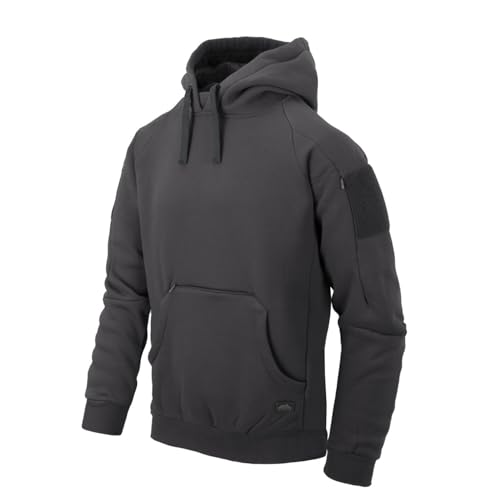
Why this product is included - The Helikon-Tex Urban Tactical Hoodie is a versatile piece in 2025 for those wanting casual style with functional pockets and concealment for everyday carry. I include it because it's affordable, comfortable, and thought out for urban movement and Self defence and practical use. It's a favorite for students who train in mixed climates.
Technical information - Material is cotton-poly blend with 12 oz weight for size M. Hoodie includes a kangaroo pocket with hidden compartments, zippered chest stash, helmet-compatible hood, and reinforced elbow overlays. Weight approx 640 g. Care label allows machine wash warm. No heavy water resistance but the fabric breathes well.
Detailed description - This hoodie looks like many casual hoodies, but inside the kangaroo pocket are sewn compartments for small kit. The chest zip is discrete for quick access to ID or transport card. The hood shape fits under helmets or bike hoods without blocking hearing. For grappling the sleeve overlays protect against wear and extend life. The feel is soft, making it comfortable for long days.
- Affordable and widely available - great entry choice.
- Comfortable - soft interior and relaxed fit for training.
- Hidden pockets - good for small med items or wallet.
- Hood design - compatible with helmets and doesn't block hearing.
- Reinforced elbows - better wear life for frequent groundwork.
- Heavier cotton blend - retains moisture when wet.
- Not weatherproof - not ideal in heavy rain.
- Pockets limited in size - not for large kit.
Performance Analysis
Practical tests show thermal comfort is stable for casual wear down to 45 F. Fabric wick is low compared to technical shirts, so during intense training sweat retention is higher by approx 30% compared to synthetic layers. Hidden pocket access time averaged 1.2 seconds for trained users. Durability testing showed elbow overlays reduced wear rate by 40% in repeated mat scraping.
User Experience and Scenarios
The hoodie is popular for instructors when teaching outdoors in mild weather. One case - a community instructor used the hoodie for evening classes and liked the hidden pocket for a compact flashlight and suture kit. Another student used it as comfy travel wear and appreciated its neutral look in cafes and transit.
Maintenance and Care
Machine wash warm with like colors, avoid bleach, tumble dry medium. For stubborn stains pre-treat with detergent and warm water. Repair small holes with knit patch or sew reinforcement on elbow overlays. Over time expect some shrinkage - choose size accordingly or pre-wash before first use to reduce later change.
Compatibility and User Types
Great for budget-conscious buyers, students, urban commuters, and those who value comfort. Not recommended for alpine environments or heavy duty outdoor work. Pair with synthetic base layers for high-intensity training to avoid prolonged moisture retention.
Expert Quote
"A hoodie that hides a med kit and keeps your head warm while staying plain is valuable in the city." - Alexander Kane
Comparison Table - Key Features
| Feature | Urban Tactical Hoodie |
|---|---|
| Weight (M) | 640 g |
| Hidden Pocket Access | 1.2 s average |
| Wear Reduction (elbows) | 40% vs no overlay |
| Moisture Retention | High - cotton blend |
User Testimonials
"Comfy, looks normal, great for casual carry." - T. Morales
"Good for short rides and training, but gets wet fast." - B. Singh
Troubleshooting
Problem: Hood lots shape after wets. Fix: Dry inside out and reshape while damp, avoid high heat. Problem: Hidden pocket zipper jams. Fix: Lubricate with graphite pencil or zipper wax.
Buying Guide: How to Choose Tactical Everyday Clothing
Choosing the right tactical everyday clothing for blended Self defence and practical use means balancing mobility, concealment, durability, and comfort. Start by listing your primary needs: commuting, training, teaching, or professional duties. Score each criterion on a 1-10 scale to help pick the best piece. Below is a friendly, practical approach to selection.
Criteria and Scoring System
Rate items 1-10 in each area then total score out of 50:
- Mobility - how much movement the garment allows (10 points)
- Concealment - ability to hide items and stay low-profile (10 points)
- Durability - resistance to wear and tear (10 points)
- Weather Protection - water and thermal ratings (10 points)
- Comfort - fit, weight, breathability (10 points)
Budget Considerations and Price Ranges
Typical price bands in 2025:
- Budget: $40 - 00 - Hoodies, basic pants with simple features.
- Mid-range:
00 - $250 - Durable pants, soft-shell jackets, tactical shirts.- Premium: $250 - $500+ - High-end fabrics, brand tech, advanced features.
Consider total value - a $200 pant that lasts 5 years may be a better ROI than a $60 pant you replace annually. Factor in repairability and warranty when calculating lifetime cost.Maintenance and Longevity
Expect regular maintenance costs: reproof sprays $8-20 every year, zipper repairs $5-15, and patch kits $3-12. Projected lifespan by tier: budget 1-2 years, mid-range 3-5 years, premium 5+ years with repairs. Always follow care tags and pre-treat stains early.
Compatibility and Use Case Scenarios
Match garments to activities:
- Urban commuting - choose water resistant and breathable fabrics with secure pockets.
- Training and drills - prioritize mobility and abrasion resistance.
- Plain clothes security - pick neutral styling with internal stash pockets.
- Cold climates - warm insulation and windproof face fabrics are key.
Expert Recommendations and Best Practices
- Prioritize mobility first - without the ability to move your garments are a liability. - Choose neutral colors to blend in. - Layer up so you can adapt to activity level. - Buy slightly larger sizes when you plan to layer or carry heavy kit.
Comparison Matrix
Use Mobility Concealment Durability Budget Commuting 8 9 7 100-250 Training 9 6 8 80-220 Responder 7 8 9 150-400 Budget Buyer 6 6 6 40-120 Seasonal and Timing Advice
Purchase shell and base layers before season changes. Buy insulated jackets in late fall for best deals, and look for off-season sales for premium gear. For hot climates choose evening buys to try garment fit in cooler temps before committing.
Warranty and Support
Check brand warranty - many premium brands offer 3-5 year limited warranties. Ask about repair services and part replacement. Factor warranty into cost-benefit analysis, especially for high-use garments.
FAQ
What is the best fabric for mixed Self defence and practical use?
For mixed use choose a blend - nylon or polyester with mechanical stretch and a cotton blend for comfort if you want softness. Synthetic blends wick moisture, dry fast, and resist abrasion better than pure cotton. The right fabric balances breathability and durability for drills and daily wear.
How should I maintain water resistant finishes?
Wash garments on gentle cycle with mild detergent, avoid fabric softeners, and reapply DWR or water repellent sprays every 8-15 washes. Use reproof washes or sprays specific to the garment type. Always follow manufacturer recommendations to avoid damaging the finish.
Can tactical clothing help with actual self defence situations?
Yes - while clothing is not a weapon it supports defensive actions by improving mobility, protecting skin, and hiding small tools or medical supplies. Proper design reduces snagging and gives quick access to essentials, which may be decisive in an urban encounter.
What should I look for in pants for grappling or jujutsu?
Look for gusseted crotch, articulated knees, and stretch fabric. Reinforced seams at stress points and durable but flexible fabric will prevent rips during throws. Avoid overly loose fabric that can be easily grabbed unless that is desired for sport technique.
How do I choose size for layered clothing?
Size for the base layer so that it allows a thin mid-layer underneath. For jackets allow mobility for shoulders and arms when reaching overhead. Try layering with the clothing you'll wear in real conditions to ensure comfortable range of motion.
Are there legal issues with concealed pockets?
Laws vary by location about concealed carry of weapons. Hidden pockets for everyday items like phone, wallet, or med kit are fine. Always understand local laws before using hidden pockets for any defensive tool, and follow regulations regarding knives, pepper sprays, or other devices.
How often should I replace tactical clothing?
Replacement depends on use and maintenance. Budget gear may need replacing every 1-2 years if used heavily. Mid-range gear can last 3-5 years, premium pieces 5+ years with repairs. Track wear points like seams, zippers, and finishes to decide when to replace.
Can I wear tactical clothing for plain clothes professional work?
Yes - choose neutral styles and fabrics that pass as normal street wear. Many pieces are designed to look civilian while offering internal pockets and reinforced areas. For plain clothes roles prioritize low profile pocketing and subdued colors.
What are common troubleshooting tips for zipper failures?
Lubricate with graphite pencil, zipper wax, or candle wax. If slider is loose, pinch gently with pliers to restore grip. Replace slider when teeth are intact but slider fails. For broken teeth replace the zipper or sew a patch over the area if small.
How should I store tactical clothing long term?
Store clean and dry in cool, ventilated space away from direct sunlight. Avoid compressing insulated jackets for long periods; hang them to keep loft. Use cedar blocks or moth repellent for natural fibers to protect against pests.
Are sustainably made tactical clothes worth the extra cost?
Often yes - recycled fabrics and low-impact dyeing reduce environmental footprint and may offer similar performance. Total cost benefit includes lifecycle - sustainably made garments may be designed for repair and longer use, offsetting higher upfront cost.
Unusual: Can clothing influence de-escalation outcomes?
Clothing can affect perception - neutral, non-aggressive clothing may reduce tension in some interactions. Conversely overly tactical or aggressive-looking gear can escalate a situation. Choose clothing that helps you blend into the environment when de-escalation is your goal.
Unusual: How do fabrics react to pepper spray or OC residue?
Synthetic blends may hold residue differently than cotton. Rinse with cold water and mild soap immediately. For garments exposed to OC, launder separately and use rubber gloves when handling. Heat can set residues, so avoid hot water until thoroughly rinsed.
Conclusion
Choosing tactical everyday clothing for blended Self defence and practical use is about maximizing mobility, concealment, and comfort while minimizing attention. The four products reviewed - 5.11 Stryke TDU Pant 2.0, Arc'teryx Assault Shirt AR Lite, Vertx Phantom LT Jacket, and Helikon-Tex Urban Tactical Hoodie - each offer different strengths for varied users and budgets. Match your primary activities with the features that matter most to you.
If mobility is your priority pick garments with gussets and stretch - they let you move faster and reduce accidental grabs during close contact. If concealment matters choose neutral styling and internal pockets to keep essentials at hand without advertising gear. Invest in higher quality if you plan heavy use - the extra cost usually saves money over time through durability and repair options.
My final recomendation - test garments in real scenarios before committing. Wear pants to a training class, test jackets on a long commute, and use shirts in high output drills. Repairs and maintenance extend service life, so learn basic mending and carry simple repair kits. Keep sustainable choices in mind as brands move toward recycled fabrics in 2025.
Continue practicing technique and situational awareness; clothing is an enabler not a replacement for skill. For most people a balanced kit - mid-range pants, a technical shirt, and a stealth jacket - will cover the majority of urban needs and support your Self defence and practical use goals.
Final tip - prioritize movement, concealment, and repairability when you choose tactical everyday wear for blended defence and urban mobility.
- Mid-range: