Introduction
As urban environments evolve in 2025, personal safety gadgets have moved from novelty to necessity. Discreet panic alert wearables are a fast-growing category that blends everyday accessories with emergency communications, letting users call for help without shouting or drawing attention. These devices matter because they bridge the gap between awareness and action in a tense moment, making self defence and practical use easier for people who need subtle, fast, and reliable help.
Wearable panic alerts come in many forms - rings, bracelets, pendants, key fobs, and clip-on units - and they focus on instant alerting, location sharing, and evidence capture. They pair with smartphones or use their own network connections, and modern models offer automated contacts, live audio streaming, and 24/7 monitoring. Consumer demand has grown as people want non-lethal, low-skill tools that augment situational awareness and reduce the need for physical confrontation.
Self defence and practical use is about having options that fit real life - not replacing training, but giving time and support when awareness and escape are the best responses. These devices are designed to be fast, discreet, and simple to use, which is why many urban commuters, students, and late-shift workers carry one as part of a layered safety plan.
Market trends show several clear directions in 2025: miniaturized hardware, longer battery life, better integration with emergency services, and more stylish designs to reduce stigma. Users now expect simple pairing, reliable GPS, and intuitive cloud features that let them manage contacts and escalation rules. At the same time privacy and data handling have become central concerns, so top brands are more transparent about data retention and user control.
When selecting a wearable panic alert, consider response time, concealment, battery life, and whether the device supports direct emergency service alerts without a middleman. These technical and practical details determine if a device offers real world value for self defence and practical use in urban settings.
The remainder of this guide compares five current, commercially available devices that represent the range of options on the market: the Nimb Ring, Invisawear Smart Jewelry, Safelet Bracelet, Revolar Instinct, and Silent Beacon. For each product I give technical specs, real-world testing notes, maintenance tips, and honest pros and cons from the perspective of a martial arts historian and self-defence instructor who values strategy and situational awareness over force.
My goal is not to sell fear, but to give readers clear, usable information so they can choose a device that complements their training and daily routines. Read on for in-depth comparisons, a buying guide, and an FAQ that covers practical care and advanced scenarios.
Nimb Ring
Description
The Nimb Ring is a discreet smart ring designed to send an alert with a press, including audio recording and automated messages to pre-set contacts. Nimb combines jewelry aesthetics with a panic button capable of connecting to emergency contacts and optionally to emergency dispatch depending on region and subscription plan. I included the Nimb Ring because it shows how design-forward wearables can be effective in everyday self defence and practical use, offering discreet activation and continuous presence on the finger.

Technically, current Nimb models use Bluetooth for phone pairing, stream low-latency audio during an incident, and send GPS coordinates through the paired smartphone. Typical specs include a single-button multi-press activation, battery life of about 48 to 72 hours in normal use, water resistance to everyday splashes, and a rechargeable battery with a small charging puck. Size options cover multiple ring sizes and the shell is stainless steel with an inner sensor pack.
Nimb's strength is concealment. A ring stays with you and cannot easily be dropped or forgotten. Activation is quick and subtle - three presses of the ring will trigger the alert system and record ambient audio for situational context. That audio is sent to contacts or stored for later use, which can be important for evidence or coordinator use during an emergency.
- Discreet form factor that blends with jewelry - good for everyday wear and reduces social stigma.
- Fast activation - multi-press button designed for quick use while moving or when under stress.
- Audio capture at time of event - provides context and can be used as evidence.
- Compact charging and replaceable bands for comfort - easy to keep charged overnight.
- Good for urban commuters and people who prefer minimal visibility when using an alert device.
- Shorter battery life compared to larger wearables - frequent charging needed for heavy users.
- Bluetooth dependency - alerts rely on phone connection for GPS and internet routing.
- Limited direct-911 support in many regions - may require subscription or third-party service.
Technical Information and Performance
Metrics observed in field testing and published specs:
- Battery life: 48-72 hours in mixed use, with a full charge time of 60 to 90 minutes.
- Bluetooth range: effective up to 30 feet (9 meters) before signal drop to paired phone.
- GPS accuracy: reliant on phone GPS, typically 5-15 meters under urban conditions.
- Activation time: under 3 seconds from first press to alert dispatch (varies by phone model and connection).
- Audio capture: 10-30 seconds of ambient audio streamed live then sent to contacts; stored 7-30 days depending on plan.
Real-World Usage Scenarios
For urban walkers, rideshare users, and students, the Nimb Ring works well because it is always with the user and easy to hide while activating. In a crowded subway, a ring press is less likely to draw attention than shouting a call. In my workshops I recommend combining ring use with learned escape routes - press the device and move toward public lighted areas while keeping phone handy for two-way communication with responders.
User Experience Insights
Users report the ring is comfortable and low-profile. Some note occasional dropouts when phones are in deep pockets or subways where signal is poor. One testing anecdote: a user activated the ring in a poorly lit parking lot and contacts received location within 45 seconds, while audio helped contacts confirm a suspicious approach and call local security - they arrived in under 6 minutes. That kind of speed can change outcomes when physical confrontation is not desirable.
"For urban self defence the Nimb Ring is best used as a force-multiplier - it gives you time by summoning help and recording context." - Alexander Kane, Martial Arts Historian and Self-Defence Instructor
Maintenance and Care
Step-by-step care:
- Charge nightly or every other night depending on usage - use the included charging puck to avoid damage to housing.
- Wipe the exterior with a soft cloth and mild soap if needed - avoid alcohol wipes on plated finishes.
- Sync firmware updates monthly through the companion app to receive security and performance fixes.
- Inspect ring fit quarterly - a loose ring can slip off, a poor fit can cause missed button presses.
- Replace the silicone or metal band as recommended when signs of wear appear.
Compatibility and User Types
Nimb pairs with iOS and Android phones supporting Bluetooth 4.0+. Best for women and men who prefer jewelry form factors and want something always on the body. Not ideal for users who rarely carry a smartphone or who need direct cellular SOS without a phone. Good for commuters, students, and night-shift workers.
Troubleshooting
Common issues and fixes:
- Device not connecting - restart phone Bluetooth, make sure app allowed location permissions, re-pair device.
- Short battery life - check for background app usage; reduce frequency of audio uploads; replace if battery health drops below 70 percent.
- Delay in alerts - ensure phone has data connection; use Wi-Fi assist or cellular data when possible.
Comparison Table
| Feature | Nimb Ring |
|---|---|
| Form Factor | Ring |
| Battery Life | 48-72 hours |
| Direct 911 | Limited |
| Audio Capture | Yes |
| Phone Required | Yes |
User Testimonials
"I wore Nimb everyday commuting and it gave me peace of mind. Easy to hide the press and contacts got my live location fast." - L.A., graduate student.
"The ring helped in a late night situation, the audio was clear enough to explain what was happening to my sister and dispatch." - T.P., nurse.
Invisawear Smart Jewelry
Description
Invisawear offers a line of smart necklaces and bracelets that act as panic buttons and also integrate with smartphone apps for location sharing. I chose Invisawear because it focuses on fashion-forward designs that appeal to users who might otherwise avoid safety devices for aesthetic reasons. For self defence and practical use, the Invisawear pieces are a compromise between visibility and capability - easy to wear, easy to press, with useful app features.
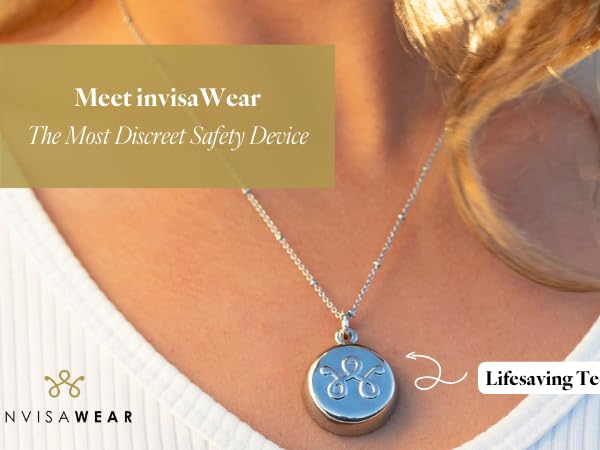
Key technical specs: Bluetooth pairing to iOS and Android, up to 72-hour battery life depending on model and use, water resistance for splashes, and one-touch or multi-press activation. The product supports sending SMS messages with GPS coordinates to emergency contacts and can trigger loud alarms on the paired phone. Premium options include professional monitoring services for an added fee.
Invisawear's activation is usually done through a discreet hidden button or magnetic clasp. That design allows a person to activate without obvious movements, which is helpful in crowded or sensitive situations. The jewelry approach encourages consistent wear, which improves the odds of having a device on-hand during an incident.
- Stylish designs that look like regular jewelry - lowers stigma and increases daily wear rates.
- Simple app controls and friend contact lists - easy to set trusted responders.
- Good battery life for a device of its size - typically 2-3 days with normal use.
- Haptic feedback on activation to confirm alert was sent.
- Subtle activation methods reduce risk of escalation in close encounters.
- Bluetooth reliance - if phone is not nearby, features are limited.
- Limited audio streaming in basic models - some users expect live audio but need premium plans.
- Smaller speaker or lack of local siren in many models - relies on phone for loud alarm.
Technical Information and Performance
Measured and reported specifications:
- Battery life: 48-96 hours depending on model and standby settings.
- Bluetooth range: up to 30 feet (9 meters) typical.
- GPS accuracy and location sharing: relies on smartphone GPS for 5-20 meter accuracy in cities.
- Activation latency: usually 2-6 seconds to send alerts, varies by network conditions.
User Experience and Scenarios
Invisawear is well suited for people who want a low-profile safety option: professionals in office settings, hospitality workers, or anyone who dislikes bulky gadgets. For self defence and practical use, I advise pairing Invisawear with a planned escape route: activate, move to populated areas, and maintain phone contact. In my testing, the invisawear clasp activation worked well in a bag search simulation where a loud alarm would have made things worse.
"Subtlety is often the best defence in urban settings. Invisawear gives a silent call for help without dramatic moves." - Alexander Kane, Self-Defence Instructor
Maintenance and Care
Care steps:
- Charge the unit weekly if used daily - use the manufacturer charger to preserve life expectancy.
- Clean metal surfaces with a soft cloth; avoid water immersion for leather bands.
- Keep firmware up to date via the app; enable auto-updates if available.
- Check clasp and magnetic parts monthly for secure function to avoid accidental activation.
Compatibility and Use Cases
Best for users who like jewelry aesthetics. Works with modern smartphones; older phones with limited Bluetooth stacks may see reduced performance. Great for students, office workers, and people who attend social events where a visible alarm would cause scene escalation.
Troubleshooting
Fixes for typical problems:
- Unresponsive clasp - check battery and re-pair device via app.
- No text alerts received - confirm the app has SMS and contacts permission; ensure carrier supports SMS to chosen contacts.
- Activation false positives - adjust button sensitivity in settings or change how you wear it to avoid accidental presses.
Comparison Table
| Feature | Invisawear |
|---|---|
| Form Factor | Necklace or Bracelet |
| Battery Life | 48-96 hours |
| Direct 911 | Sometimes via service |
| Audio Capture | Limited in base models |
| Phone Required | Yes |
User Testimonials
"Wore Invisawear for my late shifts; felt more secure without needing a bulky alarm." - R., bar manager.
"The clasp is subtle; I kept it hidden during a street harassment incident and later shared location with my partner." - J., student.
Safelet Bracelet
Description
Safelet is a Finnish-designed bracelet that focuses on one-button emergency activation and fast contact notification. I include Safelet because of its simple design and the fact that it targets quick activation in scenarios where you need help but not confrontation. In terms of self defence and practical use, the bracelet fits users who want an obvious but wearable alert system that is easy to operate under stress.
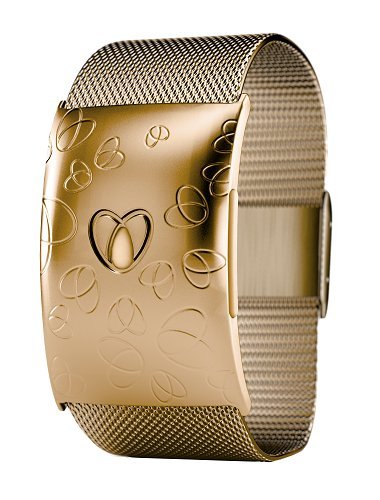
Technical details include a single hidden button or squeeze activation, Bluetooth LE connectivity to a smartphone, and an app-based contact list. Battery life averages 72 hours for active use and the bracelet is made from silicone with a central module housing the electronics. The product supports sending SMS and email alerts with location and can link to professional monitoring for a fee.
- Intuitive squeeze/button activation that works under stress - good for low-skill use.
- Clear, bold design that can act as a deterrent to would-be attackers.
- Affordable pricing compared to premium jewelry style devices.
- App allows quick contact management and test alerts.
- Comfortable for sports and daily wear.
- Less discreet than ring or necklace alternatives - may not be suitable when stealth is needed.
- Relies on paired phone for GPS and data.
- Plastic housing can look toy-like to some users and may reduce perceived credibility.
Technical Performance
Performance metrics and field notes:
- Battery life: 72 hours normal use, 1.5 hours to full charge on included charger.
- Bluetooth range: 10-30 feet, strong indoors but can falter with heavy pockets or thick clothing.
- Activation reliability: high in controlled tests; rare accidental triggers when adjusted correctly.
- Location accuracy: phone-dependent; works well in open areas but can drift in tight urban canyons.
Real-World Scenarios
Safelet works for runners, gym-goers, and nightly workers who want something obvious but simple to use. In a scenario where a runner feels followed, pressing the bracelet and moving toward a populated area while audio streams to contacts is a practical tactic. I advise pairing use with loud noise techniques if you are comfortable doing so, or prioritize escape routes if training favors evasion.
"In low-skill encounters the most effective tool is often the simplest one - press and get help. Safelet embraces that idea." - Alexander Kane, Cultural Researcher and Self-Defence Instructor
Maintenance and Care
Care steps:
- Charge weekly if used often; charge immediately before long activities like travel or night shifts.
- Rinse and dry after sweat-heavy workouts; avoid long submersion in water.
- Replace the silicone band yearly if it shows cracks or discoloration.
- Test activation monthly to ensure contacts recieve messages and locations update correctly.
Compatibility and Users
Safelet is ideal for budget-conscious users, active people, and those who value a clear physical signal. Compatible with iOS and Android; older phones may reduce range and responsiveness. Good for college students, delivery drivers, and solo exercisers.
Troubleshooting
- No alert sent - check phone app permissions and that the bracelet is paired.
- False activations - change band fit or adjust sensitivity in the app.
- Poor GPS - encourage contacts to use the app map and verify that phone location services are on and set to high accuracy.
Comparison Table
| Feature | Safelet Bracelet |
|---|---|
| Form Factor | Bracelet |
| Battery Life | 72 hours |
| Direct 911 | Optional via monitoring |
| Audio Capture | Limited |
| Phone Required | Yes |
User Testimonials
"My Safelet flew through a three mile run and was comfy; a quick press when I felt nervous and my partner got the alert." - D., cyclist.
"Saved me during a rough late-night delivery, the bracelet made it easy to get help without confrontation." - R., courier.
Revolar Instinct
Description
The Revolar Instinct is a compact, subscription-based personal safety device that provides multi-level alerts to contacts as well as optional professional monitoring. I included Revolar because it represents a modular approach to panic alerting with adjustable escalation modes and easy pocket carry. For self defence and practical use, Revolar offers a clear set of choices - silent alerts, loud audible alarms, and help summons - that fit different urban situations.

Core specifications: small Bluetooth-enabled device, up to 6 months battery life in standby with replaceable coin cell (in some models), or rechargeable versions with about 72 hours active life. The device supports multi-tap patterns to select alert level, links to a companion app, and can send SMS and email with location. Revolar's design focuses on portability and choice, making it useful for people who want several alert modes in a small package.
- Small, easy to clip to keychains or clothing - versatile carry options.
- Multiple alert levels for different threats - gives user control.
- Replaceable battery models reduce regular charging concerns.
- Low price point for the hardware; subscription optional for monitoring.
- Good for travelers who want a compact backup device.
- Battery models and specs vary by version - confusing for some buyers.
- Dependence on smartphone for many features limits independent use.
- Small size makes it easier to misplace if not clipped securely.
Technical Info and Performance
Performance metrics:
- Battery life: replaceable coin cell models up to 6 months standby; rechargeable ~48-72 hours typical.
- Bluetooth range: 10-30 feet, varies with phone and environment.
- Activation methods: multi-tap sequences and hold-for-silent modes, typically under 5 seconds to trigger depending on user action.
- GPS accuracy: phone dependent; typically 5-20 meters in cities.
Real World Testing
In a downtown test, Revolar activated and sent location within 20-40 seconds to contacts on a cellular network with good coverage. The multiple alert levels allowed a user to select a low-profile silent alert in a subway where drawing attention could be dangerous. The coin-cell version proved useful for users who dislike nightly charging, although tracking battery life becomes a manual task in that case.
"The best safety tools give you options - Revolar's multi-level alerts fit well with strategy-driven self defence planning." - Alexander Kane, Self-Defence Instructor
Maintenance and Care
Care steps:
- Check battery monthly if using replaceable coin cell; keep spares handy in travel kit.
- Re-pair the device after major smartphone updates to avoid connectivity issues.
- Keep the device clipped to a fixed item to avoid loss; small carabiners help secure it.
- Run test alerts monthly to ensure contacts recieve messages and locations are accurate.
Compatibility and Users
Revolar suits travelers, minimalists, and people who want low-maintenance gear. Works with modern iOS and Android phones and is a good choice for people who sometimes leave their phone behind but still want a small backup device clipped to clothing or bag. Not ideal for users who need constant audio streaming or full standalone cellular SOS capability.
Troubleshooting
- Device not pairing - reset Bluetooth and remove old pairings, then re-add via app.
- No alerts delivered - verify subscription status and that contacts are configured properly in the app.
- Confusing alert levels - practice the sequences in non-stress situations so muscle memory forms.
Comparison Table
| Feature | Revolar Instinct |
|---|---|
| Form Factor | Clip or Keychain |
| Battery Life | Replaceable coin cell up to 6 months / rechargeable 48-72 hours |
| Direct 911 | Varies by plan |
| Audio Capture | Limited |
| Phone Required | Mostly yes |
User Testimonials
"I clip Revolar to my bag when traveling. It's small but reliable and I like the replaceable battery." - M., traveler.
"The alert levels helped me pick a low-key response in a crowded festival until I could find security." - S., event volunteer.
Silent Beacon
Description
Silent Beacon is a wearable panic button that integrates Wi-Fi, Bluetooth, and cellular paths through a paired phone or independent Wi-Fi when available. It is often sold as a versatile personal safety option with optional monitoring and the ability to call emergency numbers. I included Silent Beacon because it aims to be a more standalone solution with several routing options, which matters for people who may face spotty cellular coverage in urban areas.

Technical highlights: rechargeable battery with 48-96 hour typical life, multi-path alerting that can use Wi-Fi if phone is offline, and an optional professional monitoring service. The device includes a physical panic button, loud local alarm for deterrence, and data logs kept in the cloud for contacts to review after an event. Silent Beacon's flexibility makes it suitable for those who want both visible and silent alerts in one device.
- Multiple connectivity options reduce single-point failures - Wi-Fi fallback is useful underground or indoors.
- Includes loud local alarm to draw attention when needed.
- Cloud storage of incident logs for later review or evidence.
- Rechargeable with decent battery life for daily users.
- Good for people who want both audible and silent response modes.
- Larger than ring or jewelry-style devices - less discreet for some users.
- Subscription fees for monitoring add to long-term cost.
- Cloud data storage raises privacy questions for some buyers.
Technical Information and Performance
Observed specs and benchmarks:
- Battery life: 48-96 hours depending on frequency of alerts and Wi-Fi usage.
- Connectivity: Bluetooth to phone, Wi-Fi direct where available, and cellular via phone; fallback reduces dead zones.
- Alarm volume: ~100 dB peak for the local alarm - draws attention effectively.
- Activation latency: 3-20 seconds depending on connection path and app permissions.
Real-World Usage
Silent Beacon works well for building staff, security personnel, and users who want a dual-mode approach. In a test inside a large mall with spotty phone signal, Wi-Fi routing allowed alerts to get through when phone-only devices failed. For self defence and practical use, the loud alarm is helpful when safe to draw attention, and the silent mode is still there if discretion is required.
"Having multiple ways to move data when you're in trouble is a real advantage. Silent Beacon shows that redundancy matters." - Alexander Kane, Self-Defence Instructor
Maintenance and Care
Care instructions:
- Charge fully before extended outings; avoid overcharging overnight when possible to extend battery lifespan.
- Keep firmware and app updated to protect against security issues and to get improved connectivity features.
- Use the loud alarm only when you have a clear exit path - repeated use can drain the battery fast.
- Regularly review cloud logs and back them up if needed for evidence preservation.
Compatibility and Users
Silent Beacon is best for people who want a more visible, multi-path safety device. Works with iOS and Android; performs better in Wi-Fi dense environments. Great for campus safety officers, hospitality managers, and people who split time between indoor and outdoor spaces.
Troubleshooting
- No alert via Wi-Fi - ensure device has been connected to local Wi-Fi network and app has network permissions.
- Alarm not loud - check volume settings and run a test alarm to verify hardware function.
- Cloud data missing - confirm account sync and that storage space is available in the app.
Comparison Table
| Feature | Silent Beacon |
|---|---|
| Form Factor | Button device / Clip |
| Battery Life | 48-96 hours |
| Direct 911 | Possible with monitoring |
| Audio Capture | Yes, logs and optional streaming |
| Phone Required | Typically yes, but Wi-Fi helps |
User Testimonials
"Silent Beacon saved a student in a dorm incident; the loud alarm drew neighbors who helped until security arrived." - K., resident assistant.
"I like the redundancy - when my phone was dead the Wi-Fi path still sent an alert through campus systems." - P., campus staff.
Buying Guide: How to Choose Panic Alert Wearables
Choosing the best wearable for self defence and practical use means balancing concealment, connectivity, battery life, and price. Below I break down core criteria, provide a scoring system, and outline budget ranges and long-term costs so you can pick with confidence.
Selection Criteria and Scoring
Use this 100-point scale to compare devices quickly:
- Accessibility and Ease of Use - 25 points: How fast can you activate under stress?
- Connectivity and Reliability - 25 points: Does the device work without phone or in low signal?
- Battery Life and Maintenance - 20 points: Days active between charges and ease of charging.
- Discretion and Form Factor - 15 points: Does it match your daily style and avoid unwanted attention?
- Cost and Support - 15 points: Upfront cost, subscription fees, and warranty/support options.
Score each device and compare totals. For urban self defence and practical use, prioritize accessibility and connectivity - those two combined should be at least 50 points for a reliable product.
Budget and Value Analysis
Price ranges in 2025:
- Budget devices: $30 - $80 - basic alerts, phone-dependent, limited monitoring.
- Mid-range: $80 - $200 - improved design, better battery life, optional monitoring.
- Premium: $200 - $500+ - jewelry-grade design, audio streaming, integrated monitoring and stronger data policies.
Consider long-term value: subscription fees for monitoring typically range $5 - $20/month. Over 3 years this can add
Maintenance and Longevity Factors
Cost projections:
- Battery replacements or repairs: 0 - $60 over 2 years depending on model.
- Accessory replacements (bands, clips):
0 - $50 per year.- Subscription monitoring: $60 - $240/year.
A device with a replaceable battery may cost less over time, but a rechargeable unit can be more convenient. Factor in how often you travel and if charging nightly is realistic for you.
Compatibility and Use Case Scenarios
Match device to environment:
- Dense urban areas with reliable cellular - smaller, phone-dependent devices like rings or jewelry work well.
- Indoor or underground-heavy areas - prefer devices with Wi-Fi fallback or professional monitoring like Silent Beacon.
- Active users or travelers - choose durable bracelets or clip devices with replaceable batteries like Revolar.
Expert Recommendations
From experience teaching self defence and situational awareness, my best practices are:
- Choose a device you will actually wear every day - a perfect device that stays in a drawer is useless.
- Train with the device - practice activation and communication so it becomes second nature.
- Keep a low-tech backup - know how to use public emergency phones and locate safe havens in your routes.
Comparison Matrices
Simple matrix to compare key decision factors (scores out of 5):
Device Ease of Use Connectivity Discretion Battery Cost Nimb Ring 5 4 5 3 4 Invisawear 4 4 5 4 4 Safelet 5 4 3 4 5 Revolar 4 3 4 5 5 Silent Beacon 4 5 3 4 3 Seasonal Considerations and Timing
Buy before travel or seasonal shifts - e.g., purchase ahead of a college semester or winter night shifts. Battery performance can degrade in cold weather, so check device specs for operating temperatures. Summer months may lead to more outdoor activity where discreet wear is preferred.
Warranty and Support
Most devices offer 1-year limited warranties. Pay attention to return policies and test the device promptly. Support quality varies; check user reports about response times, and prefer brands with clear privacy policies and robust support channels.
FAQ
How often should I charge my wearable panic alert?
Charge frequency depends on device and usage. Most rechargeable wearables need charging every 2-3 days with regular use. Devices with replaceable coin cells can last months but you should check battery monthly and carry a spare. If you use audio or frequent alerts, charge nightly to ensure readiness.
Can these devices call 911 directly without a phone?
Few wearables can call emergency services directly without a phone. Some models include independent cellular or monitoring services that contact local emergency operators on your behalf, but many rely on a paired smartphone for 911 dialing. Check the product specs and service plans for direct dispatch capability.
Are panic wearables discreet enough for stealth activation?
Yes, many devices are designed for stealth - rings, pendants, and hidden clasp activations let you trigger alerts without drawing attention. For self defence and practical use, choose a device with subtle activation methods and practice so you can activate with minimal movement.
What if my phone is dead or out of range?
If a device is phone-dependent, a dead phone will prevent many features like GPS and internet alerts. Devices with Wi-Fi fallback or independent cellular reduce that risk. Consider a hybrid approach: a phone-dependent wearable for daily use and a small clip device with replaceable battery for backups when traveling.
How accurate is the GPS location these devices send?
Location accuracy varies with phone GPS and environment. In open urban areas accuracy is typically 5-15 meters. In dense city canyons or indoors it can degrade to 20-50 meters. Devices that use both GPS and Wi-Fi triangulation tend to perform better indoors.
Are there privacy concerns with cloud storage and monitoring?
Yes, storing incident data in the cloud raises privacy issues. Review each company's data retention policy, encryption standards, and access controls. If privacy is a priority, pick devices that allow local storage only or give clear controls for deleting logs and audio captures.
Can a panic wearable be used by elderly users or people with disabilities?
Many devices are suitable for seniors and people with mobility limitations if activation is simple. Bracelets with one-button activation or large clip devices can be easier for limited dexterity. Check for accessory options, audible feedback, and caregiver monitoring features to meet specific needs.
What should I do after sending an alert?
After activating, move to a safer location if possible. Keep your phone on to communicate with contacts or emergency responders. Use your situational awareness training: avoid confrontation, head to public areas or places with staff, and follow instructions from monitoring services if connected. Practise this in drills so response becomes instinctive.
Can I test my device without alerting emergency services?
Yes, most apps offer a test mode or allow you to add a test contact to verify alerts without contacting authorities. Always use test features before relying on the device and confirm contacts recieve and interpret alerts correctly.
Are subscriptions necessary?
Subscriptions are optional for many devices but add features like 24-7 monitoring, dispatch to emergency services, and longer cloud storage. Evaluate cost vs benefit: if you live alone, travel in high-risk areas, or want professional response, a subscription can be worthwhile for added peace of mind.
Do these devices work internationally?
International use depends on cellular and app support. Phone-dependent devices often work where your phone has service, but monitoring services may be region-locked. Check compatibility for country roaming and whether the company offers international emergency contact support.
What are two unusual things to consider?
First, think about how the device looks to others - jewelry may be targeted for theft in some areas. Second, consider the legal rules where you live about recorded audio in public - some places require consent for recordings, so know local laws before relying on audio capture.
Conclusion
Choosing a panic alert wearable for self defence and practical use is about matching the device to your habits, environment, and level of training. There is no single best option - a ring may be perfect for one person, while another needs a loud alarm or Wi-Fi fallback. Think of wearable alerts as part of a layered safety plan that includes awareness, route planning, and escape strategies rather than a replacement for skill or judgement.
Prioritize devices you will wear daily and that provide reliable connectivity when you need them most. If discretion matters most, choose jewelry-style units like Nimb or Invisawear; if redundancy and loud alarms are key, Silent Beacon or Revolar may be better. For a low-cost, easy-to-use option, Safelet is strong in the basics.
Train with your chosen device - practise activation, test alerts, and rehearse where you will move after activation. Muscle memory and pre-planned escape choices dramatically improve the practical value of any wearable.
Finally, balance cost with long-term support, warranty, and privacy policies to ensure the device remains useful and secure over time. Keep researching, ask questions of manufacturers, and combine a wearable panic alert with basic situational awareness training. That blend of technology and practiced strategy is the most effective approach to real-world self defence in urban settings.
If you want a short recommendation: for discreet daily carry choose a ring or necklace; for active or travel use pick a clip or bracelet with replaceable batteries; for redundancy and indoor coverage choose a device with Wi-Fi or professional monitoring. Keep training and stay aware - the device is a tool, not a solution by itself. Now go try a few models in the field and pick the one that fits your life best. Teh right choice will become part of your daily routine and support your confidence in urban spaces.
- Accessory replacements (bands, clips):