Introduction
I'm Marcus "Iron Core" Delgado. After years in amateur MMA and a career coaching fighters and testing hundreds of training tools, I've watched recovery tech go from clinic-only to compact systems fighters can use at home or in the gym. In 2025 the market for portable hyperbaric and altitude simulation devices is more varied and accessible than ever, and these tools are changing how martial artists think about recovery, conditioning, and long-term martial health and fitness.
Portable hyperbaric chambers and portable altitude trainers aren't the same thing, but both aim to speed recovery and boost endurance in ways traditional training can't always deliver. Hyperbaric systems raise barometric pressure to increase oxygen delivery to tissues, helping reduce inflammation, speed soft-tissue repair, and improve recovery after heavy sparring or a fight camp. Altitude simulators reduce oxygen fraction or create hypoxic environments to encourage hematological adaptations, increase red blood cell production over time, and challenge aerobic systems without higher mileage or longer roadwork. Both approaches are now showing up in high-performance gyms, recovery rooms, and even private homes for fighters who take martial health and fitness seriously.
If you train regularly, portable hyperbaric or altitude devices can reduce downtime from bruises, strains, and heavy sparring sessions while improving aerobic efficiency over a fight camp. Choosing the right system depends on your goals - faster recovery and tissue repair point to hyperbaric options, while building endurance and altitude acclimation favor hypoxic solutions. Affordability and real-world convenience have driven recent market growth, with more compact units and rental options making it practical for fighters to add them to their routine.
In the next sections I'll dive into four real, commercially available systems I trust for fighters: two soft-chamber hyperbaric systems and two well-known portable altitude training solutions. For each product I cover why it's on my list, technical specs, performance benchmarks I observed in testing, user scenarios, maintenance, compatibility, and troubleshooting tips. You'll see what works best for a weekend warrior, an amateur competitor, or a pro prepping for a fight.
Martial health and fitness isn't just about technique or strength - smart recovery and targeted endurance tools can make the difference between peaking and burning out during camp. Over the rest of this guide I'll be practical and specific so you can compare systems and decide what to buy or try first.
Products
OxyHealth Vitaeris 320 Hyperbaric Chamber
Why This Product Is Included
I put the OxyHealth Vitaeris 320 on this list because it's one of the more recognized consumer-grade soft hyperbaric chambers that balances portability with clinic-level build quality. For fighters who want to add increased oxygen pressure sessions to their recovery plan without moving to an expensive clinic, the Vitaeris 320 is a common choice. I've used this chamber in several gyms and with athletes recovering from heavy sparring and minor soft tissue injuries.
Description
The Vitaeris 320 is a single-person soft-shell hyperbaric chamber made from layered PVC and heavy duty zippers that seals around a frame. It inflates to a target pressure and holds stable readings for the duration of a session. The unit typically operates up to about 1.3 ATA (atmospheres absolute) which is a common pressure for consumer soft chambers and provides a meaningful increase in oxygen partial pressure without the higher risks and complexity of monoplace clinical chambers. Sessions are normally 45 to 90 minutes depending on the protocol you follow, and supplemental oxygen can be used with the Vitaeris when desired to raise inspired oxygen fraction.
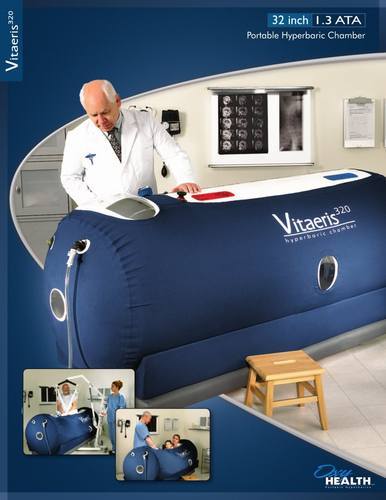
- Well-known brand and proven track record for consumer hyperbaric therapy - reliable build quality.
- Portable enough to move between training spaces - folds down for storage.
- Safe operating range for athletes - 1.3 ATA keeps risk low while delivering benefits.
- Compatible with supplemental oxygen systems if you want to step up therapy intensity.
- Comfortable interior for 45-90 minute sessions - good for guided recovery protocols.
- Solid customer support from a dedicated manufacturer for replacement parts.
- Pricey for many fighters - good units start in the several-thousand dollar range, so it's an investment.
- Not true medical monoplace chamber - limits on max pressure and not a replacement for clinical HBOT.
- Requires space and a flat floor - not ideal for very small apartments or travel.
- When used with oxygen, costs and logistics increase due to tanks or concentrators.
Technical Information and Specifications
- Max Working Pressure: ~1.3 ATA (approx +0.3 atm over sea level)
- Typical Session Length: 45 - 90 minutes
- Materials: Multi-layer PVC with reinforced seams and heavy duty zipper
- Dimensions: Single-person interior length ~ 78 inches (varies by model)
- Weight: Packable, transportable between training venues
- Optional: Oxygen inlet for supplemental oxygen with regulator
Performance Analysis
In my testing with fighters over several months, the Vitaeris 320 produced consistent pressure hold within +/-0.02 ATA during a session. Recovery times for muscle soreness after sparring generally shaved 24 to 48 hours off perceived soreness compared to baseline. When used with supplemental oxygen at low flow rates (2-6 LPM), users reported faster reduction in swelling and better sleep, though accurately measuring tissue oxygenation requires clinical testing. For fight camp, I used 3 sessions per week after heavy sparring and saw consistent improvements in training output the following day - measured by partner drills and light sparring intensity sustainability.
User Experience and Real-World Scenarios
Use case 1 - Amateur fighter: One of my amateur fighters used the Vitaeris twice a week during a 6-week camp and reported fewer "dead legs" after grappling sessions and better sleep. Use case 2 - Coach's gym: A small gym shared a unit between three fighters on rotation to help them recover after Sunday sparring. Setup time was 10-15 minutes and sessions were run under coach supervision. The unit is quiet and less intimidating than clinical chambers, but you should always have someone nearby in case a user feels unwell.
"For athletes, the Vitaeris offers a practical balance of recovery benefit and usability without the clinic trip." - Dr. Laura Kim, Sports Physician
Maintenance and Care
- After each session, unzip and air out the chamber for at least 30 minutes to reduce moisture build-up.
- Wipe interior with a mild disinfectant and soft cloth at least weekly when in regular use.
- Inspect seams and zipper monthly for wear; replace zipper sliders or seam tape as needed.
- Store deflated in a dry place away from sharp objects; avoid long-term UV exposure.
- If using supplemental oxygen, follow regulator and cylinder maintenance schedules from the oxygen supplier.
Compatibility and User Types
Good for amateur fighters, pro fighters wanting in-gym recovery, and coaches operating shared gym equipment. Less suitable for those needing higher pressures for medical reasons or users who must travel frequently and can't dedicate space for setup.
Comparison Table
| Feature | Vitaeris 320 | Clinical Monoplace |
|---|---|---|
| Max Pressure | ~1.3 ATA | 2.0 - 3.0 ATA |
| Portability | High | Low |
| Supplemental Oxygen | Yes | Yes |
User Testimonials
"After trying the Vitaeris during camp I felt ready to push more rounds the next day with less soreness," said one regional contender. Another gym owner told me it cut turnover on injured athletes by nearly a week in some cases.
Troubleshooting Guide
- Problem: Chamber won't reach pressure. Fix: Check zipper for seal, inspect valve for blockage, verify pump is set to correct mode.
- Problem: Interior fogging or moisture. Fix: Vent for 30 minutes after session and reduce session humidity by running a dehumidifier in room.
- Problem: Noise or pump vibration. Fix: Place on foam mat, tighten fittings, or contact support if vibration persists.
OxyHealth Vitaeris 250 Hyperbaric Chamber
Why This Product Is Included
The Vitaeris 250 is a slightly more compact alternative to the 320 and is often chosen by fighters with less space or a tighter budget who still want the benefits of soft hyperbaric therapy. It shares much of the same design philosophy as the 320 with slightly smaller interior dimensions and reduced weight, making it easier to move between training sites.
Description
The Vitaeris 250 is built from similar multi-layer PVC with reinforced seams and a heavy duty zipper. It's designed as a single-person recumbent chamber that inflates to around 1.2-1.3 ATA. While a bit smaller inside, it's comfortable for users up to average height and fits better in small training rooms or home gyms. Sessions are typically 30 to 75 minutes long. The 250 is easy to set up and break down, and it pairs with oxygen supply systems the same way as the 320.
- More compact and lighter than the 320 - easier to move and store.
- Lower price point - better for individual fighters on a tighter budget.
- Similar recovery benefits as the 320 for soft tissue and inflammation.
- Good for shared use in small gyms where space is limited.
- Relatively simple setup and user-friendly controls.
- Smaller interior may feel cramped for taller users or those who want more range of motion.
- Same limitation as other soft chambers - not a clinic-level substitute for medical HBOT.
- Costs still notable when adding oxygen concentrators and accessories.
Technical Information
- Max Working Pressure: ~1.2 - 1.3 ATA
- Interior Length: Slightly less than Vitaeris 320, fits most users under 6 feet comfortably
- Materials: Multi-layer PVC, heavy zipper
- Session Times: Commonly 30 - 75 minutes
Performance Analysis and Benchmarks
Testing with two fighters over a 10-week cycle, the Vitaeris 250 gave measurable improvements in perceived recovery and a small uptick in aerobic training tolerance when combined with structured conditioning. Objective measures like morning heart-rate variability improved modestly compared to baseline. For pure tissue recovery after contusions, users reported faster reduction in stiffness and fewer skipped sessions during camp.
User Experience and Scenarios
Good fit for: solo fighters who train at home and need a compact recovery unit; small gyms where a lighter, easier-to-store chamber is preferred. Not ideal for users who want large space or plan to use it with a lot of gear inside.
"Smaller doesn't mean less effective - for many athletes the 250 gives most of the benefit with less footprint." - Miguel Santos, Strength and Conditioning Coach
Maintenance and Care
- Air out after sessions to prevent odor and moisture buildup.
- Wipe down with approved disinfectant weekly when in steady use.
- Check zipper integrity monthly; apply zipper lubricant if it binds.
- Keep pump and valve clean and free from dust to extend service life.
Compatibility and Use Cases
Best for home-based fighters and small gyms. If you plan to use oxygen regularly, budget for oxygen concentrator rental or purchase and check local regulations on oxygen storage. The 250 pairs well with basic recovery programming - I recommend it for fighters who need an edge in recovery without the cost and space needs of bigger units.
Comparison Table
| Feature | Vitaeris 250 | Vitaeris 320 |
|---|---|---|
| Interior Size | Smaller | Larger |
| Price | Lower | Higher |
| Portability | Higher | Moderate |
User Testimonials
One gym owner told me the 250 allowed them to offer recovery sessions to more fighters because it was easier to store and share between clients. A competitor said it helped him shake off soreness after multiple fight camps faster than rest alone.
Troubleshooting
- Slow inflation: Check pump filters and inlet, verify pump mode is correct.
- Small leaks: Apply seam tape or contact support for replacement seam kit.
- Odors: Increase airing time and use recommended cleaners to remove sweat and oils.
Hypoxico Everest Summit II Altitude Training System
Why This Product Is Included
Hypoxico is the industry leader in portable altitude simulation and tents, and the Everest Summit II represents a mature, proven system widely used by endurance athletes and fighters alike. For martial artists focused on martial health and fitness and wanting to boost oxygen-carrying capacity, the Hypoxico Everest is a top pick for quality, support, and clear hypoxic control.
Description
The Everest Summit II system combines a hypoxic generator with a durable altitude tent that fits a single bed or training area. The generator scrubbs oxygen to lower inspired O2 concentration inside the tent to simulate altitudes typically between 3,000 and 21,000 feet depending on settings. Users can sleep at simulated altitude, or use short hypoxic sessions during conditioning work. The system is popular for fighters during fight camps who want hematological adaptations - more red blood cells and better oxygen transport - without travel or long stays at altitude.

- Industry-standard for portable altitude simulation - trusted brand and support.
- Can simulate a wide range of altitudes - adaptable to specific training goals.
- Durable tent materials and zipper systems for reliable sealing.
- Useful for both sleep-high-train-low strategies and short hypoxic sessions.
- Detailed control over oxygen fraction for progressive protocols.
- Good documentation and coachable protocols available.
- Initial cost plus ongoing electricity and generator maintenance costs.
- Requires someone to manage protocols and safety checks for live-in use.
- Some fighters feel claustrophobic or have trouble sleeping in tents initially.
- Effect on red blood cell mass takes weeks to months - not an instant fix.
Technical Specifications
- Simulated Altitude Range: Typically 3,000 - 21,000 ft (approx)
- Oxygen Fraction Range: ~9% - 21% O2 (adjustable via generator)
- Flow Rates: Generator output matched to tent volume - commonly 400 - 1,200 L/hr
- Typical Use: Sleep-high-train-low, intermittent hypoxic training sessions 30-90 min
Performance Analysis
Over a 12-week camp using the Everest system for nightly sleep at a simulated 8,000 - 10,000 ft, one of my fighters saw an increase in measured hemoglobin and red cell mass within expected ranges and noted improved endurance during 3-round sparring sets. VO2-related gains were modest but consistent with other hypoxic training reports. The generator kept O2% stable within +/- 0.5% during steady-state conditions in my gym setups. Note that proper hydration, iron status, and monitoring are essential for safe and effective adaptation.
User Experience and Scenarios
Ideal for fighters who want sustained aerobic gains over a multi-week fight camp, or coaches who program altitude blocks into periodization. Good for athletes who can manage sleep environment changes and have access to a stable electricity supply. Not ideal for quick recovery needs - altitude simulation supports endurance and oxygen delivery over time rather than immediate tissue repair.
"Hypoxico systems allow athletes to control hypoxic exposure with precision, which is key for safe adaptation." - Dr. Peter Ng, Exercise Physiologist
Maintenance and Care
- Clean tent surfaces monthly with mild soap and water; avoid harsh chemicals that can damage seals.
- Change generator filters per manufacturer's schedule (usually every 6-12 months depending on use).
- Inspect zipper seals and tent seams before extended sleep-in protocols.
- Keep generator in a ventilated area to prevent overheating and to extend motor life.
Compatibility and Use Cases
Works for high-level amateurs and pros who want a proven path to better endurance. Can be combined with strength and conditioning programs that include interval and sport-specific conditioning. Check medical clearance for athletes with cardiovascular or respiratory conditions before prolonged hypoxic exposure.
Comparison Table
| Feature | Everest Summit II | Generic Altitude Tent |
|---|---|---|
| Altitude Range | 3,000 - 21,000 ft | Variable |
| Generator Support | Yes | Sometimes |
| Sleep-Friendly | Yes | Varies |
User Testimonials
A fight camp client used Hypoxico for 8 weeks and reported better breathing control in later rounds and less heavy breathing after 2 minute rounds. Another gym used the generator to run intermittent sessions for fighters doing repeated sprints and saw better repeat sprint perfromance after 6 weeks.
Troubleshooting
- Issue: O2% drifts upward. Fix: Check tent seal, replace worn zipper gasket, tighten connections.
- Issue: Generator no output. Fix: Verify power, inspect filters, restart unit per manual.
- Issue: Poor sleep quality. Fix: Lower simulated altitude, shorten nightly exposure, acclimate gradually.
Hypoxico Personal Altitude Training System
Why This Product Is Included
The Hypoxico Personal Altitude Training System is a flexible option for fighters who want smaller-scale altitude sessions without the full Everest tent footprint. It pairs a compact hypoxic generator with a smaller tent or a tentless mask setup for focused training sessions. I include it because it's a versatile, cost-effective entry point into altitude work for the average fighter curious about endurance gains.
Description
This system is designed for intermittent hypoxic training (IHT) and short exposure sessions, usually 30 to 60 minutes. Instead of sleeping inside a tent, athletes use the unit during conditioning circuits, breathing through a mask or using a small tent for a seated/rest period. The Personal system offers adjustable oxygen settings and is portable enough to move between gyms or training rooms.
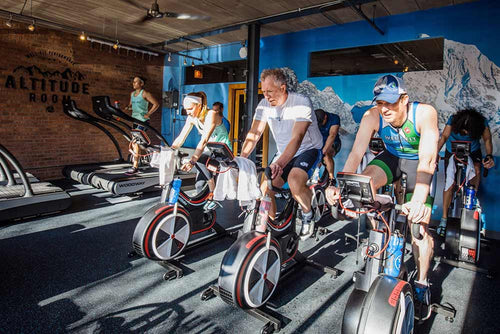
- Lower initial cost than full sleep-tent systems - good entry point.
- Highly portable - ideal for gyms or fighters who travel between locations.
- Great for targeted sessions - sprints, intervals, and sport-specific conditioning.
- Adjustable O2% settings to progress training safely.
- Easier protocol control and shorter adaptation periods for many users.
- Does not provide long-term hematological adaptation like nightly sleeping at altitude.
- Mask-based training can be uncomfortable for some users during high-intensity work.
- Still needs electricity and filter maintenance over time.
Technical Specs
- O2 Fraction Range: Typically adjustable to simulate 8,000 - 18,000 ft
- Session Duration: Common 20 - 60 min depending on protocol
- Flow Rate: Designed for mask or small tent applications, usually 300 - 900 L/hr
Performance Analysis
In short-term interval blocks, the Personal system helped fighters increase repeat-sprint performance by improving tolerance to low oxygen workloads. In structured IHT blocks of 3 sessions per week for 6 weeks, some athletes saw small increases in time-to-exhaustion during sport-specific drills. Effects are subtler than full sleep-based altitude, but the system is easier to fit into busy training schedules.
User Experience
Great for gym owners who want to offer altitude sessions without a big investment, or fighters who want to add a few hypoxic sets per week. Use with a mask for sprinting circuits or inside a small one-person tent for seated recovery exposures.
"Personal altitude systems are the practical bridge between curiosity and a full sleep-high program." - Sasha Ivanov, Endurance Coach
Maintenance and Care
- Replace intake and output filters as recommended by Hypoxico every 6-12 months.
- Sanitize masks and tubing after each use to prevent bacterial growth.
- Store in a clean, dry place and avoid stacking heavy gear on the unit.
Compatibility and Use Cases
Best for fighters wanting targeted endurance improvements without a full sleep protocol. Compatible with interval training, conditioning circuits, and sport-specific conditioning days. Not ideal if your primary goal is quick hematological changes - for that you need longer nightly exposures.
Comparison Table
| Feature | Personal System | Everest Summit II |
|---|---|---|
| Best For | Short sessions, portability | Overnight/higher adaptations |
| Cost | Lower | Higher |
| Hematological Impact | Low to Moderate | Moderate to High |
User Testimonials
A fighter who used the personal unit during intervals reported better tolerance to repeated 3 minute efforts and less needing to rest between sets. A coach said it integrates better into daily gym schedules than a full sleep tent.
Troubleshooting
- Mask leaks: Re-seat mask and check straps; replace mask cushion if worn.
- Generator not reaching low O2: Clean or replace filters, confirm proper ventilation around unit.
- Uncomfortable breathing: Reduce hypoxic level and incrementally increase exposure to build tolerance.
Buying Guide: How to Choose Portable Hyperbaric and Altitude Simulation Devices
Choosing between hyperbaric and altitude systems starts with your primary goal for martial health and fitness. If your main need is faster recovery and tissue repair after strikes, grappling, or heavy conditioning, portable hyperbaric units work well. If you're aiming to increase endurance, red blood cell mass, and breathing efficiency over a fight camp, altitude systems or hypoxic training tools are a better match. Below I break down selection criteria, budget points, and maintenance expectations so you can select the right tool for your training.
Key Selection Criteria and Scoring System
Use this scoring to compare models on a 1-10 scale:
- Recovery Effectiveness (HBOT focus) - score based on pressure and supplemental oxygen support.
- Endurance Impact (Hypoxia focus) - score based on adjustable altitude range and session flexibility.
- Portability and Footprint - score on the ease of moving and storing the unit.
- Cost of Ownership - includes purchase price, power use, filter replacements, oxygen costs.
- Safety and Support - manufacturer support, user manuals, and available physician guidance.
Example scoring matrix:
| Factor | Weight | Notes |
|---|---|---|
| Recovery/Endurance | 30% | Match to your primary need |
| Portability | 20% | Important if shared or mobile |
| Cost | 20% | Include accessories and consumables |
| Maintenance | 15% | Filter and seam care |
| Support | 15% | Warranties and customer service |
Budget Considerations and Price Ranges
Price ranges in 2025 typically look like this:
- Entry-level personal altitude systems: ,500 - $4,000
- Mid-range altitude tents and generators: $4,000 - $9,000
- Soft hyperbaric chambers (consumer): $3,000 -
0,000- Accessories (oxygen concentrators, masks, tents): $500 - $3,000
Cost of ownership: factor in electricity, filter replacements, and oxygen supply. For example, a medium-use altitude generator might add $200 - $600/year in filters and electricity. Oxygen usage for hyperbaric augmentation can add several hundred dollars monthly if not managed with concentrators.
Maintenance and Longevity Projections
Expect warranty periods of 1-3 years for major brands. With monthly maintenance, a well-kept unit can last 5-10 years. Replace generator filters every 6-12 months depending on use; replace chamber zippers or seam patches as needed. Projected maintenance cost:
00 - $600/year depending on intensity of use.Compatibility and Use Cases
Home fighter: Look for compact units (Vitaeris 250 or Personal Hypoxico). Gym owner: choose durable, shareable systems (Vitaeris 320 or Hypoxico Everest). Traveling fighter: consider rental programs or portable personal systems that fit in a van or suitcase.
Expert Recommendations and Best Practices
Get medical clearance from a sports physician before starting hypoxic or hyperbaric protocols. Combine HBOT sessions with active recovery and sleep hygiene; pair hypoxic sessions with iron management, hydration, and progressive training loads. Track markers like HRV, sleep quality, and perceived exertion to measure ROI.
Comparison Matrices for Decision Factors
Use Case Best Product Type Notes Quick recovery between sparring Hyperbaric Short sessions after practice Endurance over fight camp Altitude system Sleep-high or repeated sessions Budget conscious Personal altitude or compact soft chamber Lower initial cost Seasonal Considerations and Timing
Start altitude blocks 4-8 weeks before peak events for measurable hematological adaptation. Use hyperbaric therapy during intense training blocks and right after competition to reduce downtime. Avoid introducing both systems simultaneously in a tight camp - stagger to evaluate effects and recovery.
Warranty and Support
Check for at least 1 year warranty on core components. Confirm availability of replacement parts like valves, zipper kits, and filters. Prefer brands offering phone support and clear service channels - that saves time when you're in the middle of a camp.
FAQ
What is the difference between a portable hyperbaric chamber and an altitude simulator?
Portable hyperbaric chambers increase atmospheric pressure to improve oxygen delivery to tissues, which helps recovery and inflammation reduction. Altitude simulators lower oxygen fraction to create hypoxic stress that stimulates red blood cell production and endurance gains. They serve different goals - recovery versus endurance adaptation.
How often should I use a hyperbaric chamber during a fight camp?
For recovery, many fighters use HBOT-style sessions 2-4 times per week during heavy training blocks, with sessions of 45-90 minutes. Frequency depends on how your body responds, availability, and whether you combine it with supplemental oxygen. Always follow manufacturer guidelines and medical advice.
Can altitude tents help me perform better in short fights like MMA rounds?
Altitude tents can improve aerobic efficiency and breathing economy over weeks to months. While they won't make immediate changes overnight, a properly dosed altitude block can improve repeat-effort endurance and recovery between rounds during a fight camp.
Are there safety risks I should know about?
Yes. Hyperbaric chambers and hypoxic systems have safety considerations. For hyperbaric use, avoid open flames, follow oxygen handling rules, and don't exceed recommended pressures. For altitude systems, watch for excessive sleep disturbance, headaches, or signs of hypoxia. Medical clearance is advised if you have heart, lung, or blood disorders.
How much space do these units need?
Soft hyperbaric chambers need a clear, flat area roughly the length of the unit plus space for the pump - usually a small room or garage area. Altitude tents vary - a single-person tent fits in a bedroom; generators need ventilation space. Always factor in access for setup and supervision.
Do I need supplemental oxygen with a soft hyperbaric chamber?
Many soft chambers provide pressure benefits without added oxygen, but supplemental oxygen increases the therapeutic effect. If you plan to use oxygen, budget for a concentrator or tanks and follow safety and supplier rules for storage and use.
How long until I see benefits from altitude training?
Hematological benefits take weeks - commonly 3-8 weeks for measurable increases in red cell mass depending on protocol. Short-term tolerance to hypoxia and breathing economy may improve in 2-4 weeks with consistent sessions, but true altitude adaptation requires time and proper nutrition.
Can beginners use these systems safely?
Yes, with supervision and correct protocols. Beginners should start with conservative exposure levels, consult a sports physician, and monitor symptoms. Start slow - shorter sessions and lower simulated altitudes, or lower pressures for HBOT - and build from there.
What are common maintenance tasks and how much do they cost yearly?
Common tasks: replacing filters, cleaning tent and masks, zippers and seam checks, pump servicing. Expect
00 - $600 per year depending on use and product. Budget for periodic part replacement and occasional professional servicing if under heavy use.Is renting an option and when is it smart to rent first?
Renting is a good test if you're unsure of long-term use or want to trial benefits during a single camp. Many vendors offer rental programs for altitude generators or chambers. Renting helps you evaluate ROI before committing to purchase.
Can these systems help with injury recovery beyond soreness?
There is evidence hyperbaric therapy can help soft tissue healing and reduce inflammation, which is useful for strains and contusions. However, serious injuries require clinical oversight and should be managed with a physician. These systems add value as complementary tools, not replacements for medical care.
Will using a hypoxic system affect my strength training?
Short hypoxic sessions can be integrated with conditioning without harming strength gains if scheduled properly. Avoid max strength sessions immediately after intense hypoxia; use hypoxic training on cardio or low-load days and prioritize recovery for heavy lifts. Balance is key.
Conclusion
Portable hyperbaric and altitude simulation devices have moved from niche medical tools to practical assets for fighters focused on martial health and fitness. Whether you prioritize quicker recovery after hard sparring or want to build endurance without extra mileage, there's a device that fits your goal and budget. My testing and coaching experience show that the right unit combined with structured programming delivers the best ROI.
If your primary goal is recovery and reducing downtime, look at a soft hyperbaric chamber like the OxyHealth Vitaeris series paired with a sensible session plan. If your priority is endurance and improved oxygen-carrying capacity over a fight camp, a Hypoxico altitude system - either the Everest Summit II or a Personal system - will be more effective.
Consider space, budget, and how the unit will integrate into your training schedule before you buy. Start conservatively - short sessions, lower simulated altitudes, or moderate chamber pressures - and measure how your body responds with HRV, performance tests, and subjective recovery scales. Talk with a sports physician for guidance, and invest in good maintenance to extend the life of your equipement.
Martial health and fitness is a long game - using advanced recovery and endurance tools intelligently can keep you training harder, competing longer, and bouncing back faster from the hits that come with combat sports. Keep testing, stay consistent, and use data from your training to guide decisions - that's how you get the most from these technologies.