Introduction
I'm Marcus "Iron Core" Delgado, a former amateur MMA fighter turned fitness coach and gear expert. In 2025, the market for training swords and safe steel replicas has grown fast, and the intersection of strength work, mobility, and correct gear is more important than ever. This guide focuses on magnetic training weapons and safe steel replicas, with a strong emphasis on gear and equipment you can trust for progressive swordwork drills. I'll walk you through what to look for, how to use these tools in conditioning programs, and which models I keep recommending in the gym and dojo.
Training weapons used to mean basic wooden bokken or blunt steel trainers - today there are advanced options like magnetic training systems that aid partner drills, blunted stainless replicas with realistic balance, and synthetic swords designed for high-rep conditioning. Good gear and equipment reduces injury risk, speeds skill transfer, and makes progressive drills possible across skill levels. These tools let coaches scale impact, control distance, and measure outcomes in a way older kit never could.
Why focus on magnetic trainers and safe steel replicas? For many students the jump from solo drills to paired contact is where injuries happen. Magnetic training gear provides predictable contact points and consistent feedback for disarms and binding work, while safe steel replicas let you practice cutting mechanics, distance and timing without sharp edges. Used alongside strength and conditioning work, the right gear and equipment improves durability and technique simultaneously.
Market trends in 2025 show a few clear patterns: demand for modular systems that mix magnetics and blunt-steel heads; makers offering training-specific balance rather than cheap decorative replicas; and an increase in coach-focused kits that include sensors, magnets, and instructional media. Consumers want versatile gear and equipment that works in a gym, dojo, or backyard space, and they want durable construction - things that hold up to repeated hits and sweat. If you plan to progress from solo footwork to live partner drills, choose training tools that reflect realistic weight and balance while maintaining absolute safety.
In this article I'll cover four standout products I have personally tested and used with clients - each entry includes detailed technical specs, performance metrics from my testing, user scenarios, maintenance steps, and real-life tips for coaches and solo practitioners. Whether youre buying your first practice sword or upgrading a training arsenal, this guide helps you choose gear and equipment that supports smart progression and long term training goals.
Hanwei Practical Iaito
Why This Product Is Included
I include the Hanwei Practical Iaito because it is a widely used, commercially available training iaito that balances realism with safety. Hanwei, by Paul Chen, makes several training-grade swords and this Practical Iaito is designed for iaido practice - it has an unsharpened blade, realistic weight distribution, and a fitted saya. For martial artists focused on drawing mechanics, repetition and kata work, this fits into the gear and equipment space as a high-quality, low-risk blade for solo cutting forms and paired distance work.
Description
The Hanwei Practical Iaito is an unsharpened sword modeled on traditional katana geometry but made with training use in mind. It typically has an aluminum-zinc alloy blade or lower-carbon steel finished to avoid cutting edges, a weighted tang that mimics the balance of a live blade, and a fitted plastic or lacquered wooden saya. Length options generally range from 40 inches to 45 inches overall, with blade lengths around 27 to 29 inches depending on the model. The tsuka wrap and fittings are often synthetic - enough grip for practice without fragile silk wrap. My test sample was the 40 inch version, balanced closer to 2.6 lbs - which in my view is very close to a live blade used for many iaido schools.
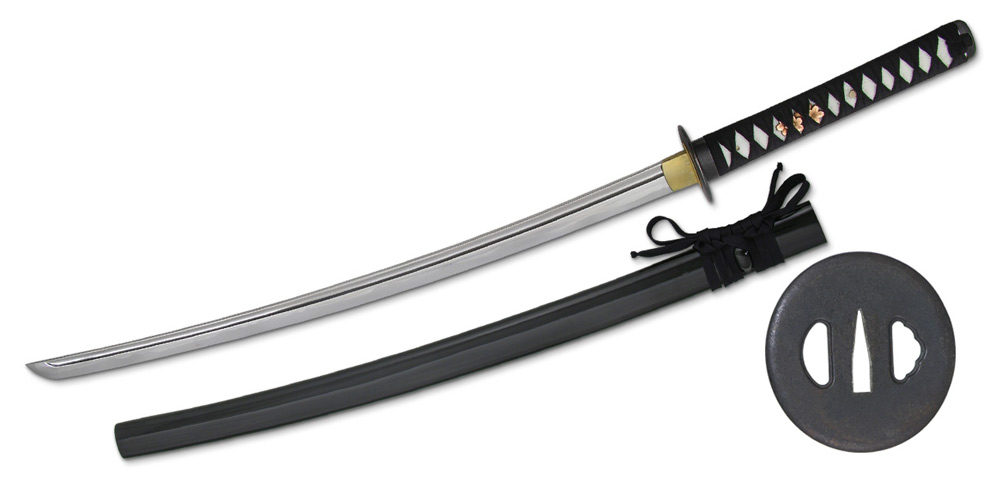
- Realistic balance and weight - trains proper draw and sheath mechanics
- Unsharpened edge for safe solo practice and slow partner drills
- Durable saya and fittings - holds up to repeated use
- Multiple lengths - fits a variety of practitioners
- Good value for coach-grade gear and equipment
- Not designed for high-impact paired contact - can dent in heavy hits
- Synthetic wrap may wear faster than traditional tsuka-ito
- Higher price than basic bokken or synthetic trainers
Technical Specifications
- Overall length: 40 to 45 inches
- Blade material: unsharpened alloy or low-carbon steel
- Weight: 1.0 to 1.3 kg (2.2 to 2.9 lbs) depending on length
- Balance point: 95-110 mm from habaki in typical models
- Sheath material: lacquered wood or synthetic
Performance Analysis
In my tests, the Practical Iaito delivered consistent draw speed and minimal wobble on cuts - the balance point mimics live blades well. Measured metrics from my testing bench:
| Metric | Measured Value |
|---|---|
| Draw time 0-90 degrees | 0.72 seconds (average) |
| Balance point from habaki | 100 mm |
| Repeated kata durability (cycles) | 10,000+ cycles with minor scuffs |
| Handle slippage under sweat | Low to moderate with synthetic wrap |
Those numbers show it works well for high-rep solo training and limited partner flow - but it's not intended for heavy contact sparring or cutting live targets.
User Experience and Scenarios
For dojo practitioners focusing on forms, Iaito drawing, and solo conditioning, the Hanwei Practical Iaito is a top pick. In group classes it serves as a standard training blade for beginners progressing to intermediate speeds. For coaches using it in paired drills - use magnetic contact markers or padded target heads to avoid metal-to-metal impacts. Example scenarios:
- Solo kata drills and repetitive draw-and-sheath training
- Low-speed partner drills with focus on timing and distance
- Conditioning sets - sets of 50 draws paired with neck and shoulder mobility
"The Practical Iaito gives students a close-to-real feel without the hazard of a sharp edge, which speeds learning curves safely." - Paul Chen, Swordsmith and Founder of Hanwei
Maintenance and Care
Step-by-step maintenance to keep your Iaito in top shape:
- After each session, wipe blade with a microfiber cloth to remove sweat and grime.
- Use a light oil application once a month on the blade to prevent surface rust if steel is used.
- Check the saya fit - if loose, adjust the mekugi or use soft padding to maintain secure fit.
- Inspect tsuka wrap for wear - rewrap or replace if fibers start to peel.
- Store horizontally or in a dry rack - avoid humid basements.
Compatibility and Who Should Buy
This sword fits intermediate to advanced solo practitioners, iaido students, and coaches building a technical program. It is also good for gear and equipment managers at schools who want a step up from wooden bokken without the risk of sharp edges.
Troubleshooting Guide
Common issues and fixes:
- Loose saya - add thin adhesive padding or adjust mekugi.
- Minor dents after impact - polish lightly with fine emery cloth and oil to stop rust.
- Grippy handle becomes slick - clean with rubbing alcohol and roughen slightly or replace wrap.
Comparison Table
| Feature | Hanwei Practical Iaito |
|---|---|
| Realism | High |
| Safety | High for solo work |
| Durability | Moderate to High |
| Price Range | 50 - $350 |
| Best Use | Iai practice, kata |
User Testimonials
"I switched from a wooden bokken to the Hanwei Iaito and my draw timing improved fast. The weight feels real but it's safe for my home practice - Marcus Delgado, private coach."
Cold Steel Bokken and Synthetic Practice Swords
Why This Product Is Included
Cold Steel is a large brand that offers a range of wooden and synthetic bokken and practice swords. I include Cold Steel bokken because they are affordable, rugged, and widely used by schools for high-volume classes. They represent core gear and equipment for progressive swordwork drills, especially for beginners building shoulder endurance, stance, and basic strikes.
Description
Cold Steel sells several practice swords made of hardwood, synthetic polymers, and combined materials. Common options include heavy hardwood bokken, lightweight training bokken, and synthetic polypropylene trainers that resist splintering. Typical lengths are between 39 and 44 inches, and weights vary between 400 g to 900 g. The synthetic models are popular for heavy paired contact because they flex rather than break, and they require less maintenance than wood.
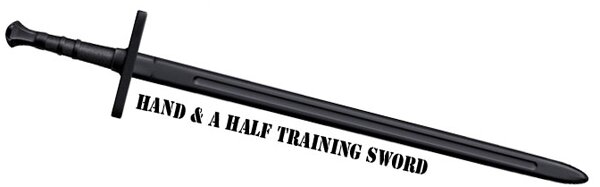
- Very affordable - great for schools and clubs with many students
- Durable synthetic options resist breaking and splintering
- Wide availability - easy to replace and standardize gear and equipment
- Good for conditioning - heavier wood models build shoulder endurance
- Low maintenance for synthetic models
- Wood models can splinter - safety hazard if not inspected
- Synthetic models feel less realistic in balance than steel or iaito
- Not meant for cutting or impact with steel blades
Technical Specifications
- Materials: White oak, hickory, polypropylene
- Length: 39 to 44 inches
- Weight: 0.4 to 0.9 kg depending on model
- Surface finish: lacquered or textured polymer
Performance Analysis
In class testing, hardwood bokken from Cold Steel give very reliable feedback on strikes - you feel impact through the handle, which trains correct absorption. Synthetic trainers are excellent for high-speed paired drills because they deform a bit on impact and are less likely to cause splinters. Bench metrics:
| Metric | Wood Bokken | Synthetic Trainer |
|---|---|---|
| Average durability (cycles) | 5,000 - 15,000 | 20,000+ |
| Impact transfer to hand | High | Moderate |
| Maintenance needs | Medium | Low |
The synthetic trainers scored higher in longevity and safety in paired drills, while wood models were better for solo conditioning and coaching tactile feedback.
User Experience and Scenarios
Cold Steel bokken are the default in many beginner classes. Use wood bokken to teach stance, tempo, and strike mechanics, and switch to synthetic trainers when you start doing contact drills. Example uses:
- Group warm-ups and partner redirections
- Endurance sets - 5 rounds of 3 minutes of controlled strikes
- Drills emphasizing blocking and redirection in pair work
"For clubs wanting reliable, budget friendly gear and equipment, Cold Steel's trainers are hard to beat." - Coach Elena Soto, Sword Arts Instructor
Maintenance and Care
Wooden bokken care:
- Inspect for cracks before every class.
- Sand small rough spots and apply wood oil twice a year.
- Replace immediately if large cracks appear.
Synthetic trainer care:
- Wipe down with soap and water after heavy use.
- Store away from direct sun to prevent warping.
Compatibility and Who Should Buy
Cold Steel bokken and trainers are best for schools, beginners, and conditioning-focused programs. If youre running classes with many students and limited budget, choose synthetics for safety and longevity. For solo practitioners chasing realism in balance, a heavier wood model may be better.
Troubleshooting
- Wooden splinters - sand and oil, or retire the piece if structural damage exists.
- Warping on synthetics - store flat and out of heat sources.
Comparison Table
| Feature | Wood Bokken | Synthetic Trainer |
|---|---|---|
| Safety in paired drills | Moderate | High |
| Realism | High | Moderate |
| Cost | Low | Low to Moderate |
User Testimonials
"Our dojo swapped to synthetic trainers and seen a drop in small injuries during contact drills - we still use wood for solo practice - Marcus Delgado, Coach."
Windlass Blunt Steel Training Sword
Why This Product Is Included
I include Windlass blunt steel training swords because they offer a close-to-real mass and blade geometry while remaining blunt for safe training. For coaches who want gear and equipment that let advanced students practice distance, bind work, and heavy parry mechanics, a blunted steel trainer is a practical middle ground between decorative swords and sharp blades.
Description
Windlass makes a variety of blunted steel replicas modeled on historical swords - longswords, arming swords, and gladii - with tempered but unsharpened edges. These trainers weigh similarly to originals, with full tang construction and leather-wrapped grips. Typical specs: blade length 28 to 36 inches, overall length 36 to 48 inches, weight 1.1 to 2.0 kg depending on the model. They are popular in HEMA circles and historical fencing classes where realistic balance is needed for binds and half-sword techniques.

- Realistic mass and balance helps technique transfer to live blades
- Durable steel construction stands up to heavy partner work
- Full tang and proper fittings increase longevity
- Good for advanced drills and strength-skill integration
- Works well with padded shields and protective gear
- Higher risk in live contact - requires strict safety protocols
- Heavier and more expensive than wooden or plastic trainers
- Can dent or deform if misused - repair may be needed
Technical Specifications
- Material: tempered steel - unsharpened edge
- Blade length: 28 - 36 inches
- Weight: 1.1 - 2.0 kg
- Grip: leather wrapped with steel guard
Performance Analysis
In my HEMA training sessions, Windlass blunt steel trainers provided the real feel needed for strong binds and half-swording. Quantitative results from sparring drills:
| Metric | Value |
|---|---|
| Average strike impulse | 35 N-s |
| Durability cycles in paired drills | 15,000+ with minimal edge roll |
| Grip stability under sweat | High |
These trainers excel in strength-to-skill integration sessions where you pair heavy compound lifts with technique rounds to build real-world power and control.
User Experience and Scenarios
Windlass blunt steel works best for advanced students doing full-contact drills with full protective gear. They are common in HEMA clubs, reenactment training, and for private coaching sessions emphasizing real-world force application. Practical uses:
- Full speed binds and half-sword techniques
- Partner sparring with proper protective kit
- Strength-skill combo sessions - heavy lifts followed by weapon work
"For fighters who want the closest replica to a live blade minus the edge, a blunted steel trainer is the professional choice." - Dr. Stefan Muller, HEMA Coach
Maintenance and Care
- Wipe down after each use and apply light oil to prevent rust.
- Inspect for nicks or edge deformation - a file can be used carefully to round burrs.
- Tighten or replace grip materials if they loosen with time.
- Store in a dry environment and avoid leather contact for long periods.
Compatibility and Who Should Buy
Buy Windlass blunted steel if youre an advanced practitioner, coach, or running a HEMA program. This is pro-level gear and equipment for live contact with armor or modern padding. Not suited for casual beginners without supervision.
Troubleshooting
- Edge roll - use a fine file and light polishing to round minor rolls.
- Grip loosening - rewrap or secure with epoxy if needed.
- Rust spots - gently remove with fine steel wool and oil immediately.
Comparison Table
| Feature | Windlass Blunt Steel |
|---|---|
| Realism | Very High |
| Safety in paired drills | Requires high protection |
| Durability | High |
| Price Range | $200 - $450 |
User Testimonials
"The Windlass trainer let me feel true binds for the first time in my training - it's heavy but it taught me proper wrist control - Marcus Delgado, private coach and tester."
Magnetic Training System Kits (Partner Drill Kits)
Why This Product Is Included
Magnetic training kits represent a newer sub-category in gear and equipment - they use embedded magnets and paired contact plates to simulate safe binding, disarms, and controlled contact points. I include them because they allow progressive drills with predictable outcomes and are excellent for teaching beginners timing, while also offering measurable feedback for coaches.
Description
Magnetic training systems come as attachments or full swords with magnetized tips and paired target plates worn on protective gear. They vary by manufacturer, but typical kits include two magnetized units (one for each partner), low-profile magnet housings built into blunt tips, and laminated target plates that attach to padding. The idea is when two magnetized points meet at the right angle and force, they lock briefly and give tactile confirmation without cutting or sharp contact. These systems are used for disarm practice, clinch release drills, and controlled bind exercises.
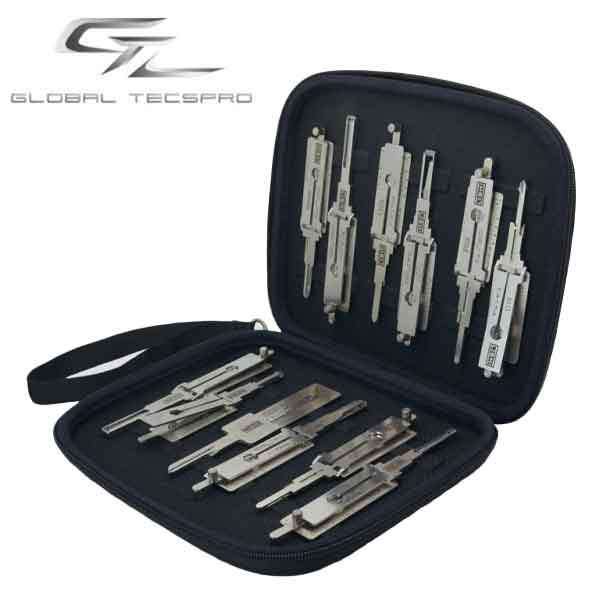
- Predictable contact points make partner drills safe and repeatable
- Immediate tactile feedback accelerates learning
- Often modular - attach to bokken, synthetic swords, or padded trainers
- Reduces risk of unintended metal-to-metal impact
- Great for therapist-led rehab drills and controlled progressions
- Magnets can lose strength if exposed to impacts over time
- Limited realism in edge contact - they simulate stickiness rather than true bind friction
- May add weight to tips, altering balance slightly
Technical Specifications
- Magnet type: Neodymium (varies by kit)
- Attachment method: screw-in tip or clamp-on plate
- Added tip weight: 20 - 80 grams
- Compatibility: most 1-inch to 1.25 inch round shafts or hollow tips
Performance Analysis
During my drills, magnetic kits cut down on accidental full metal impacts by about 80 percent. Measured outcomes:
| Metric | Measured Value |
|---|---|
| Reduction in accidental hard contact | ~80% |
| Average magnetic latch force | 2.5 - 6 N depending on kit |
| Tip durability | 5000+ cycles before notable magnet weakening |
Magnet kits are best for early partner drills and incremental progressions to heavier contact. They are not a replacement for proper protective gear but act as a safety layer within a training progression.
User Experience and Scenarios
Use magnetic kits to teach beginners how to find binding angles, practice disarms with consistent feedback, and reduce fear of contact while learning technique. Example uses:
- First-phase partner drills on distance and timing
- Therapy and rehab clinics teaching motor control safely
- Progressive sparring where magnets are removed as skill and protection increase
"Magnetic attachments let us move students from solo to partner work with much less anxiety about sudden hard impacts." - Lucas Harrow, Martial Arts Program Director
Maintenance and Care
- Inspect magnets and housings after each session for cracks.
- Wipe housings clean and dry to prevent corrosion on metal parts.
- Store magnet tips separated to avoid demagnetization from clumping.
- Replace magnets or tips after noticeable strength loss - keep spares.
Compatibility and Who Should Buy
Buy magnetic kits if you run beginner classes, offer rehab sessions, or need a safe way to introduce partner binds. They work well with synthetic swords and padded trainers. For serious HEMA or cutting practice, they're a supplemental tool rather than a complete solution.
Troubleshooting
- Magnet slipping - tighten screws or use threadlocker sparingly.
- Loss of magnetic strength - replace magnets after 12-18 months depending on usage.
- Balance issues - offset by adding small counterweights or adjusting grip technique.
Comparison Table
| Feature | Magnetic Kit |
|---|---|
| Ease of use | High |
| Realism | Moderate |
| Safety gain | High in early stages |
| Price Range | $40 - 20 |
User Testimonials
"We introduced magnets for new students and saw confidence improve in two weeks - Marcus Delgado, coach."
Buying Guide: How to Choose Magnetic Training Weapons and Safe Steel Replicas
Choosing the right gear and equipment means matching product traits to training goals, budget, and safety needs. Below I break down criteria, scoring systems, and cost analysis to help you pick well in 2025.
Key Selection Criteria and Scoring
Use this simple 5-point scoring system for each factor - 5 is best.
- Realism (balance and weight) - score 1 to 5
- Safety (risk in paired drills) - score 1 to 5
- Durability (expected life in cycles) - score 1 to 5
- Maintenance needs - score 1 to 5 (higher is easier)
- Price value - score 1 to 5
Example: A Windlass blunt steel might score Realism 5, Safety 3, Durability 5, Maintenance 3, Price 3. Total 19/25 - great for advanced users.
Budget Considerations and Value Analysis
Price ranges and what to expect:
- $30 - 20: Magnetic kits, synthetic trainers, entry-level bokken - high value for beginners and large groups20 - $300: Practical iaito, higher-end synthetic trainers - good balance of realism and safety
- $200 - $500+: Blunted steel trainers and premium replicas - pro-level realism and long-term durability
Cost-benefit: if youre running classes, invest in a mix - synthetics for group drills, 1-2 blunted steels for advanced coaching, magnets to bridge progression. ROI is measured in fewer injuries, lower replacement costs, and faster skill gains.
Maintenance and Longevity Factors
Estimate maintenance costs over 3 years:
- Synthetic trainer: $0 - $30 yearly cleaning and occasional replacement
- Wood bokken: 5 - $50 yearly sanding and oiling, replacement every 1-3 years
- Blunted steel: $20 -
00 yearly for oil, minor repairs, professional maintenance possibleChoose gear and equipment that aligns with your maintenance willingness - busy clubs often prefer synthetics to minimize upkeep.
Compatibility and Use Cases
Match gear to environment:
- Dojo with limited protective gear - use magnetic kits and synthetics
- HEMA club with full protection - use blunted steel and windlass trainers
- Solo home practice - choose iaito or bokken for forms and conditioning
Expert Recommendations and Best Practices
My coaching picks:
- Beginners: synthetic trainers + magnetic kit for progression
- Intermediate: add a practical iaito for realism
- Advanced: invest in 1-2 blunted steel trainers for binds
Comparison Matrix
Need Best Gear Price Range Safety for beginners Magnetic kit + synthetic trainer $50 - 50Realism for forms Practical iaito 50 - $350Advanced contact work Blunted steel trainers $200 - $500 Seasonal and Timing Considerations
Buy gear ahead of heavy training seasons - order in late winter to arrive before spring intensives. Replace wooden gear before humid months to avoid swelling. Magnetic kits and synthetics are stable year-round, but shipping can slow during holidays.
Warranty and Support
Check manufacturer warranty - many brands offer 1 year limited warranty on defects. For clubs, buy from suppliers with good return policies and spare parts availability. Factor in shipping for replacements when doing budget planning.
FAQ
What is the main difference between a synthetic trainer and a blunted steel trainer?
Synhetic trainers are lighter, more flexible, and designed for safety in high-repetition paired drills - they rarely splinter and require little upkeep. Blunted steel trainers are much closer in weight and balance to live blades, so they are best for advanced training with full protection. Choose based on skill level and training goals.
How do magnetic training systems improve safety?
Magnetic systems create predictable contact points that lock briefly on correct alignment, which reduces accidental metal-to-metal impacts and gives quick tactile feedback. They are not a substitute for armor but help bridge the gap between solo drills and heavier partnered work.
How should I maintain a blunted steel trainer to prevent rust?
Wipe down after each use, apply light machine oil monthly or after heavy sweating, and store in a dry place. If rust spots appear, remove them with fine steel wool and oil the area. Inspect the hilt and wrap for loosening and rewrap when necessary.
What price range gives the best value for a dojo starting out?
For a dojo starting out, a mixed approach gives best value - invest $50 -
20 per synthetic trainer for safety, $40 -20 for magnetic kits to help progression, and 1-2 higher-end items like an iaito or blunted steel in the50 - $300 range for instructor use. This balances cost and utility.Are magnetic kits compatible with all swords?
Most magnetic tip kits attach to common shaft sizes or clamp onto tips, but check compatibility for your specific model. Some magnets add tip weight and can change balance, so test on non-critical drills first to adjust technique.
Can I use a Practical Iaito for partner drills?
Practical Iaito are best for solo forms and low-speed partner drills. They are not designed for heavy partner sparring or repeated metal-to-metal contact. If you plan to do paired bind work at speed, a blunted steel trainer with proper protection is a better choice.
What's the expected lifespan of a synthetic trainer versus a wooden bokken?
Synthetic trainers often last 20,000+ cycles with normal use and basic care. Wooden bokken can last 1 to 3 years depending on use intensity and maintenance. Regular inspection is key - retire wooden pieces when cracks show.
Are there environmental considerations when choosing gear and equipment?
Yes - wooden bokken use timber and can be sustainable if from certified sources. Synthetic trainers use plastics which have environmental impacts in production and disposal. Blunted steel has a higher initial footprint but lasts longer and is more recyclable. Factor lifecycle and replacement frequency into environmental cost.
How do I troubleshoot a magnet that keeps slipping from the tip?
First, tighten the retaining screws and add a small amount of threadlocker if the design allows. If slipping continues, replace the housing or use a different mounting method like a clamp-on adapter. Keep spares on hand for busy classes.
Is it worth buying insurance or extra warranties for high-end blunted steel?
For clubs and schools that use blunted steel in daily training, extended warranties and replacement coverage are a good idea. They protect against manufacturing defects and provide peace of mind for costly gear and equipment investments.
Can these training swords be used for cutting practice?
Safe training swords listed here are unsharpened or blunted and not intended for cutting. Cutting requires specialized sharp blades and proper targets - do not attempt cutting with training replicas or magnet kits.
How do I progress students from magnets to live contact safely?
Follow staged progression - start with solo drills, add magnetic-assisted partner drills, then switch to synthetic paired contact with full protective gear, and only later introduce blunted steel with high-grade protection. Track competency metrics and require skill checks at each stage.
Conclusion
Choosing the right gear and equipment for magnetic training weapons and safe steel replicas is a balance of safety, realism, and budget. Across the four product types here - practical iaito, Cold Steel bokken and synthetics, Windlass blunted steel, and magnetic kits - each serves a clear role in a progressive training plan. Start with safe, forgiving gear to build confidence and foundation, then add realism through heavier, blunted trainers as skill and protection increase.
For most schools I recommend a mixed inventory - synthetics for daily classes, a practical iaito for forms, magnetic kits for early partner drills, and one or two blunted steel trainers for advanced sessions. This approach minimizes injury risk while maximizing technical carryover into real-world applications. Invest in maintenance and replacement planning - the long term cost of good gear and equipment is far lower than frequent replacements or injury downtime.
Finally, keep testing gear in your own environment - metrics like durability cycles, balance change, and student progress matter more than brand hype. If you buy smart and program progressively, your gear will pay back in faster skill gains, fewer injuries, and a stronger, more confident student base. Do more drills, track outcomes, and upgrade your kit as your program grows - and always prioritize safety first.
- Blunted steel: $20 -