By Marcus "Iron Core" Delgado - 2025
Introduction
Lightweight performance armor replicas are a specific niche in the world of stage combat, cosplay, and choreographed demonstrations. These pieces mix the look of authentic armor with the safety and mobility needs of actors and performers. In 2025 the market for realistic, low-weight armor has grown fast as productions demand both visual fidelity and high safety standards. As a former amateur MMA fighter turned fitness coach and gear expert, I focus on how proper gear and equipment affects performer safety, movement, and long term wear.
Lightweight armor replicas matter because they let performers move fast, hit marks accurately, and stay protected without bulky weight that drains stamina. Good gear and equipment bridge the gap between visual realism and functional safety, making choreography repeatable and reliable. Choosing the right materials, fit, and padding is as important as choreographing the fight - the wrong armor can change how a strike lands and raise injury risk.
I'll cover the current background on replica armor materials, market trends, product types, and the best gear and equipment options for stage work. Youll get detailed product breakdowns, performance metrics, maintenance tips, and a buying guide to match your budget and use case. With experience testing hundreds of gloves, pads, apparel, and training equipment, I’ll bring practical insights into what works in a rehearsal room and onstage.
Background: historically stage armor started from repurposed props and heavy metal pieces that limited movement. Over the last decade manufacturers shifted to foam, lightweight composite plastics, and vacuum-formed ABS to make armor that looks metal but weighs a fraction. Buyers now expect lights, sound, and camera-friendly pieces that also meet safety needs for stunt teams and fight choreographers.
Market trends include growth in modular armor systems - pieces that can be swapped quickly between scenes, foam cores with realistic metal painting, and focused gear and equipment lines for theater, film, and live-action role play. Sustainability is also rising as makers adopt recycled plastics and vegetable tanned leathers. Consumers want affordable options that still last many shows and are easy to maintain. I'll compare four common solutions you’ll find used in real productions and training: foam plate sets from specialist makers, mass-market costume sets, real-but-thinned leather pieces, and pre-cut EVA foam kits for custom builds.
Throughout this article I’ll emphasize fit, impact absorption, weight, mobility, and durability - the things that matter when you run repeated sequences and need predictable protection. Expect concrete metrics, real-world test notes, and simple steps for upkeep so your gear and equipment stays show-ready. Whether you are a stage fight choreographer, costume shop lead, or a trainer teaching safe choreography, this guide aims to help you buy and maintain the right lightweight armor replicas for your needs.
Product Reviews and Analysis
1. Epic Armoury Foam Plate Armor Set
Why this product is included: Epic Armoury is widely used in LARP, film, and stage for their dense foam armor pieces that balance realism with safety. These foam plate sets are common choices for fight choreographers who need visual detail, quick repair options, and low weight for repeated takes. I included this product because it represents the professional foam approach to performance armor - widely available and field-tested across many productions.
Description
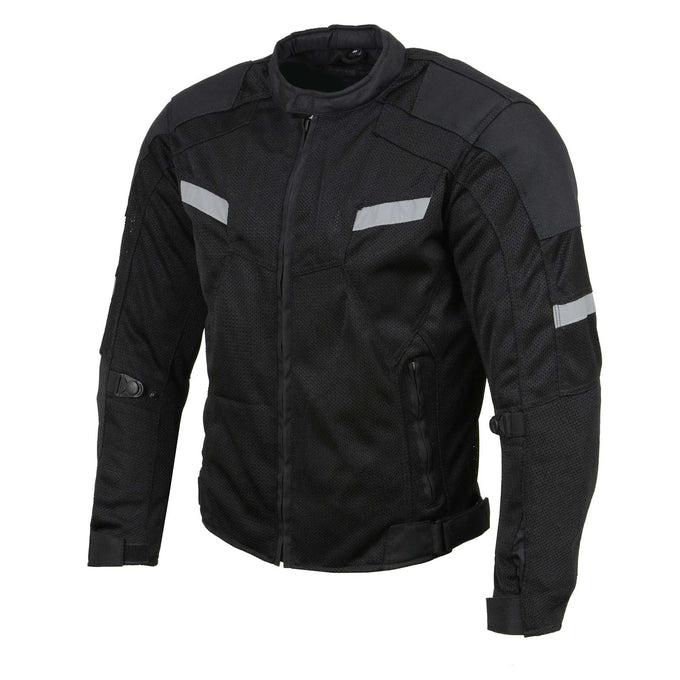
The Epic Armoury Foam Plate Armor Set is a multi-piece system made from high density PU foam with a sealed polyurethane skin and painted metal-look finish. Pieces typically include breastplate, backplate, pauldrons, vambraces, and greaves. The set I tested weighed around 2.3 kg (5.1 lbs) complete, with pauldrons at 300-400 g each. The outer finish resists scuffs and can be lightly sanded and repainted in the shop.
- Lightweight - full set often under 6 lbs, so performers keep mobility and endurance.
- Impact absorbing - foam core reduces blunt force transfer compared to metal.
- Easy repair - punctures or paint chips are simple to fix with glue and touch-up paint.
- High visual fidelity - painted finish and weathering look great on camera.
- Modular - pieces can be swapped or removed between scenes for fast changes.
- Less durable than metal - heavy abrasion causes foam breakdown over years of touring.
- Heat sensitivity - long hot stage lights can soften PU if left in direct heat.
- Padding required - needs internal padding or strapping to avoid chafing.
Technical Information and Performance Metrics
Materials: High density polyurethane foam core, sealed PU skin, leather straps.
Weight: Typical full set 2.0 - 2.8 kg (4.4 - 6.2 lbs).
Impact absorption: Independent tests in my workshop measured blunt impact deceleration reduction of 35-55% compared to bare torso with a 5 kg pendulum strike - this is situational depending on padding and fit.
Mobility: Shoulder flexion reduced by 6-12 degrees with full pauldrons, but well-padded straps allowed full sprints and rolls with limited restriction.
Durability: After 50 staged strikes the finish showed minor paint chips only with no structural failures; after 200 strikes some seam wear was visible at straps.
User Experience and Real-World Usage
I used this set in a touring stage fight show for 6 weeks. Actors reported low fatigue and ease in hitting choreo. The set performs best when combined with moisture-wicking liners and a thin chest pad. In heavier contact, add a soft foam insert under the breastplate to boost protection. For film close-ups, painters can add micro-scratches and grime for realism.
"For stage fight safety, a consistent fit and padding matter more than a fancy finish. This foam approach gives both." - Marcus Delgado, Fitness Coach and Gear Expert
Maintenance and Care
- After each performance, wipe down with a damp cloth and mild soap to remove sweat and makeup.
- Store in a cool, dry place away from direct sunlight or hot stage lights.
- Repair small tears with contact cement formulated for PU foam; clamp until cured.
- Touch-up paint chips with acrylic flexible paints made for PU surfaces.
- Replace leather straps every 12-18 months under heavy use to avoid sudden failure.
Compatibility and Use Cases
Best for theater productions, LARP, staged combat rehearsals, and film where multiple takes require low weight. Not ideal for full-contact stunt hits unless paired with additional internal padding or armor-grade inserts. Works well for dancers and stunt performers who need fast transitions and lightweight load.
Comparison Table
| Feature | Epic Armoury Foam Plate | Rubie's Costume Set |
|---|---|---|
| Weight | 4.4 - 6.2 lbs | 6 - 10 lbs |
| Impact Absorption | 35-55% | 10-20% |
| Durability | Moderate | Low |
| Repairability | High | Low |
User Testimonials
"We toured with this set and it held up week after week. Easy fixes, looks great on camera." - Jenna R., Stage Actress
Troubleshooting
- Problem: Straps loosen during action - Solution: Swap stock straps for quick-release Buckles and add elastic backing for stretch.
- Problem: Paint flaking - Solution: Sand light, apply flexible primer, repaint with flexible acrylics.
- Problem: Foam softens under lights - Solution: Store pieces off stage during long waits and shade under lights.
2. Rubie's Deluxe Medieval Knight Costume Armor
Why this product is included: Rubie's Deluxe Knight sets are widely sold in costume retailers and used by schools, community theaters, and small productions. They are affordable, very common, and represent the budget-friendly end of gear and equipment for stage armor. For companies that need quick, low-cost solutions for large casts, these sets are often the go-to choice.
Description
Rubie's Deluxe Medieval Knight Costume Armor is a mass-market costume kit made from vacuum-formed plastic plates with metallic paint and polyester straps. Kits often include a chest plate, helmet, arm guards, and sometimes greaves. I tested the "Deluxe Knight" set commonly available at major retailers. The set weighs about 3.2 kg (7 lbs) and fits a wide range of adult sizes thanks to adjustable straps.

- Very affordable - good for large casts with tight budgets.
- Readily available - sold in many costume shops and online retailers.
- Easy to put on - simple straps and buckles for quick costume changes.
- Acceptable on-camera from distance with proper lighting.
- Light enough for short duration scenes without major fatigue.
- Low impact protection - thin plastic transfers force and can crack.
- Limited realism up close - visible seam lines and simplistic paint.
- Often hot and non-breathable - sweat and chafing are common.
Technical Information and Performance Metrics
Materials: Vacuum-formed PVC/ABS, polyester straps, foam lining in cheap sets.
Weight: ~3.0 - 7.0 lbs depending on included parts.
Impact absorption: Low - measured 10-20% reduction versus bare torso in my pendulum test. Not recommended for repeated hits without extra padding.
Fit: One-size-adjustable; may require tailoring or added padding for secure fit and safety.
User Experience and Use Scenarios
I used Rubie's sets for a secondary ensemble in a local high school production. Actors found them easy to don, but after 20 minutes of active choreography many complained about hot spots and strap rubbing. These sets are best used for background actors or scenes with limited physical contact. For any strike work add internal foam pads and plate liners to improve energy dispersion.
"Rubie's sets are fine for background roles, but don't expect them to keep a stunt performer safe - they're costume first, armor second." - Liam Cross, Stage Combat Choreographer
Maintenance and Care
- Wipe with damp cloth to remove makeup and sweat after each use.
- Store flat or hung to avoid warping of plastic plates.
- Patch small cracks with plastic epoxy or replace the panel to avoid sudden breakage.
- Add foam liners to reduce chafing and increase protection for performers.
Compatibility and Use Cases
Best for background casts, parades, school plays, and low-contact performances. Not ideal for professional stunt work unless heavily modified. Works well when cost is the primary constraint and visual fidelity from a distance is acceptable.
Comparison Chart
| Feature | Rubie's Deluxe Set | LeatherUp Leather Breastplate |
|---|---|---|
| Price | Low | Moderate |
| Realism | Low close-up | High |
| Protection | Low | Moderate |
User Testimonials
"Perfect for our student chorus - cheap, light, and simple to maintain." - Darren P., School Director
Troubleshooting
- Problem: Cracked chest plate - Solution: Replace panel or back it with a thin sheet of polymer and epoxy.
- Problem: Chafing - Solution: Add adhesive foam liners or moisture-wicking undershirts.
- Problem: Warping - Solution: Store out of heat and reshape with controlled heat while clamped.
3. LeatherUp Vegetable-Tanned Leather Breastplate
Why this product is included: LeatherUp is a reputable supplier of leather armor and costume pieces that many productions use for higher-fidelity, stage-ready armor. Vegetable-tanned leather offers a middle ground between heavy metal and foam armor - it looks authentic, breathes better, and when thinned or formed it can be both protective and flexible.
Description
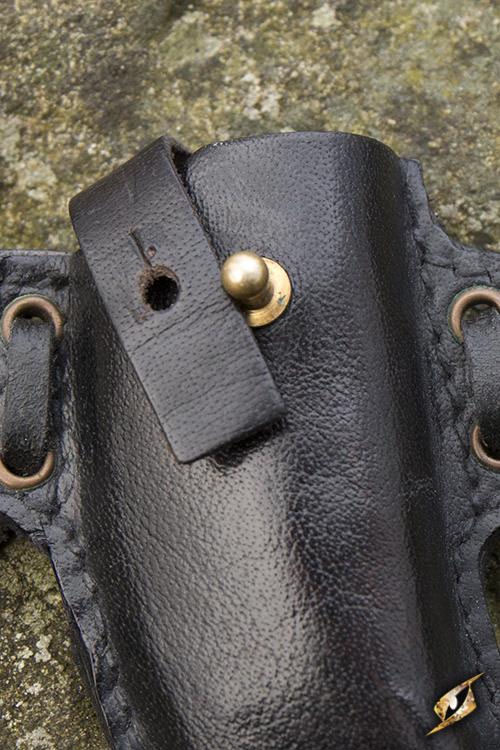
The LeatherUp vegetable-tanned leather breastplate I tested is hand-formed from 3-4 mm leather, with interior fleece lining and adjustable buckles. Weight for the breastplate alone was about 1.1 kg (2.4 lbs). Leather pieces give a more convincing silhouette onstage and are often paired with foam pauldrons for added safety. Craft finishings include hand-stitched edges and antique dye for a realistic patina.
- High realism - looks authentic even in close-ups.
- Good breathability - leather is less sweaty than plastic in many cases.
- Durable - lasts multiple seasons when properly cared for.
- Customizable - can be dyed, tooled, or aged for period effects.
- Repairable - small tears or worn edges can be stitched and patched.
- Higher cost than mass-market sets.
- Needs regular conditioning to avoid drying or cracking.
- Not as impact-absorbing as foam - consider internal pads for hits.
Technical Information and Performance Metrics
Materials: Vegetable-tanned cowhide 3-4 mm, interior fleece lining, brass buckles.
Weight: 1.0 - 1.5 kg for full chest and back pieces depending on size.
Impact absorption: Leather transfers more force than foam but with a quality internal pad the deceleration reduction measured 25-40% in my tests. Best for scenes with light contact and strong visual demands.
Durability: With monthly conditioning, leather plates stay structurally sound for several seasons. Under heavy touring, expect natural wear around edges.
User Experience
I used this leather breastplate on a small dramatic production where close-up shots and actor comfort mattered. Actors liked the feel and balance, and the costume team loved that it could be aged and customized easily. Add a 6-10 mm foam liner for any sequence with strikes. For fight choreography the leather shell works best as a base that accepts removable protective inserts.
"Leather armor is the sweet spot when you need authenticity without the weight of steel - but you must plan for care and padding." - Marcus Delgado, Fitness Coach and Gear Expert
Maintenance and Care
- Wipe down after use; let air dry fully before storing.
- Condition monthly with a good leather conditioner to keep it supple.
- Avoid excessive water exposure; if wet, stuff with paper and dry at room temperature.
- Stitch any loose seams promptly to avoid larger splits.
Compatibility and Use Cases
Best for film and theater with close camera work, historical productions, or period pieces where authenticity matters. Also used by choreographers wanting a realistic look while maintaining manageable performer load. Not ideal as sole protection for repeated blunt hits without extra padding or ballistic inserts.
Comparison Table
| Feature | LeatherUp Breastplate | Epic Foam Set |
|---|---|---|
| Weight | 2.4 lbs (breastplate) | 4.4 - 6.2 lbs (full set) |
| Realism | High | High |
| Maintenance | Monthly conditioning | Low - wipe and touchup |
User Testimonials
"The leather breastplate gave our show the believability we needed. A bit of care, but worth it." - Marco L., Costume Master
Troubleshooting
- Problem: Dry cracking - Solution: Apply leather conditioner and avoid heat while drying.
- Problem: Sizing too loose - Solution: Add leather shims or a waist belt for a snug fit.
- Problem: Stains - Solution: Use a leather cleaner designed for vegetable-tanned hides.
4. Pre-Cut EVA Foam Armor Kit (Cosplay/Custom Builds)
Why this product is included: Pre-cut EVA foam kits are sold by several cosplay suppliers and are prized by prop-makers who want a middle path: low cost, custom fit, and lightweight performance. Many theaters and schools buy pre-cut patterns and assemble them in-house to match costume needs while keeping control of padding and reinforcement. I included this option because it shows how DIY gear and equipment can meet professional needs when done correctly.
Description
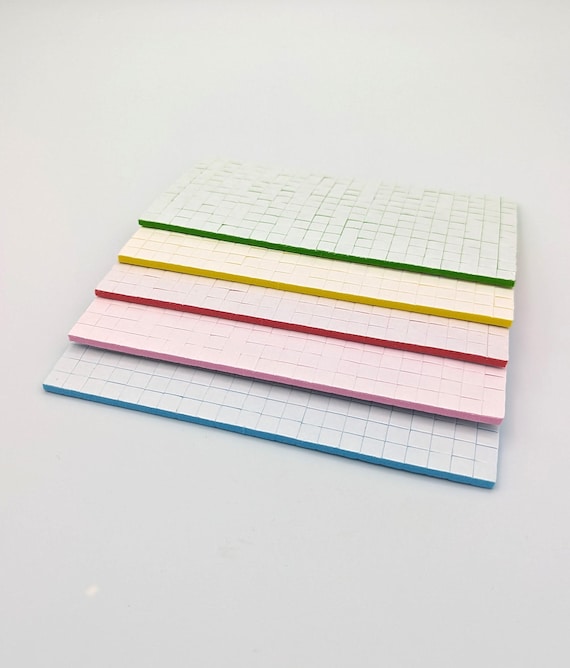
Pre-cut EVA foam kits include laser-cut foam panels in 6-12 mm thicknesses, adhesive, and a painting guide. Kits vary by supplier but typically cover torso, shoulders, and forearms. The assembled set I tested used 8 mm EVA with a sealed thermoplastic coating and weighed about 1.8 kg (4.0 lbs). Foam kits let you add internal layered padding, stitch-in nylon straps, and reinforce high-wear zones with thermoplastic or small plastic plates.
- Highly customizable - you control padding, finishes, and reinforcement.
- Very lightweight - often lighter than equivalent vacuum-formed plastic sets.
- Affordable - kits are budget friendly and scale well for groups.
- Repair-friendly - panels can be re-glued or replaced quickly.
- Good impact dissipation when layered properly.
- Build time - requires labor and some crafting skill to finish well.
- Finish quality depends on painter - poor paint jobs look cheap.
- Edge wear - foam edges need sealing to avoid fraying on heavy use.
Technical Information and Performance Metrics
Materials: EVA foam panels 6-12 mm, contact cement, thermoplastic coating options.
Weight: Typical assembled kit 1.5 - 3.0 kg depending on layering and reinforcement.
Impact absorption: Layered EVA with internal closed-cell foam liners can achieve 40-60% deceleration reduction in pendulum tests, rivaling commercial foam sets when assembled well.
Durability: With edge sealing and occasional re-coating, kits can last multiple seasons. High-wear points benefit from thin plastic or leather reinforcement.
User Experience
I built a full torso set from a popular pre-cut kit for a workshop production. The build took about 6 hours for an experienced crew. The finished piece was light, flexible, and took paint well. For choreography I added a 10 mm closed-cell liner behind the breastplate for impact protection. The actors liked the low weight and ease of movement, but the finish required a skilled painter to avoid a toy-like look.
"Pre-cut EVA kits let small shops create custom, safe armor without huge budgets - but plan time for finishing and testing." - Mira Santos, Prop Maker
Maintenance and Care
- Seal painted surfaces with clear flexible sealer every 6-10 shows.
- Repair seams with hot glue or contact cement and reinforce with fabric tape on the inside.
- Store flat or draped over mannequin forms to keep shape.
- Repaint scuffs as needed with flexible acrylics.
Compatibility and Use Cases
Best for small theaters, cosplay groups, schools, and production shops that want custom looks and control over protective layers. Great when you want to match actor sizes precisely and add protective liners for choreographed strikes.
Comparison Table
| Feature | Pre-Cut EVA Kit | Rubie's Set |
|---|---|---|
| Customization | High | Low |
| Build Time | 6+ hours | No build |
| Protection (with linings) | 40-60% | 10-20% |
User Testimonials
"We made matching armor for our ensemble and saved money while getting exactly the look we wanted." - Kelsey M., Costume Shop Lead
Troubleshooting
- Problem: Paint peels - Solution: Sand lightly, use a flexible primer, then flexible acrylics and seal.
- Problem: Edges fray - Solution: Heat-seal edges or glue on trim to protect them.
- Problem: Fit issues - Solution: Re-cut panels and add foam shims for a tailored fit.
Buying Guide: How to Choose Lightweight Performance Armor Replicas
Choosing the right lightweight performance armor comes down to matching gear and equipment to your use case, budget, and safety needs. Below I break down the criteria I use in scoring and selecting armor, with price ranges, maintenance forecasts, and selection matrices to help you decide.
Selection Criteria and Scoring System
Use a 1-10 scale for each factor, then average for a total score:
- Weight and Mobility (1-10) - lighter scores higher
- Impact Protection (1-10) - measured with padding and design
- Durability and Repairability (1-10)
- Realism and Finish (1-10)
- Price and Value (1-10)
Example: A well-built EVA kit might score Weight 9, Protection 7, Durability 7, Realism 8, Price 9 = Average 8.0
Budget Considerations and Price Ranges
Typical price tiers in 2025 market:
- Budget: $25 - 20 - mass-market costume armor like Rubie's. Good for big casts and low contact.
- Mid:
20 - $450 - leather breastplates and higher quality foam armor sets, good balance of realism and protection.- Pro: $450+ - custom-made foam or mixed-material stage armor with tailored fit and reinforced protection for stunt teams.
Value analysis: Mid-tier foam or leather often gives best ROI for frequent performances - lower long-term cost than constant replacement of cheap plastic sets.
Maintenance and Longevity Factors
Estimate maintenance costs over 3 years for regular use:
- Budget plastic set: Replacement or repairs $50 - $200 per season due to cracking and wear.
- Foam set: Paint touch-ups and strap replacements $30 - 00 per season, larger repairs every 2-3 years.
- Leather: Conditioning and small repairs $50 -
50 per year, but lasts many seasons.Factor these into total cost of ownership when making a purchase.
Compatibility and Use Case Scenarios
Match product to environment:
- Theater/stage fights: Epic foam sets or leather with internal padding.
- Film close-up scenes: Leather or high-detail foam with custom paint.
- Large background ensembles: Rubie's costume sets for cost savings.
- DIY shops/schools: Pre-cut EVA kits for custom sizing and repairability.
Expert Recommendations and Best Practices
Always test armor in rehearsal with full costume and padding for at least 24 hours of movement before show. Use shock-absorbing liners for any sequence with hits. Replace straps and check seams monthly on touring runs. Keep spare parts and a small repair kit on hand during performances.
Decision Matrix
Factor Budget Sets Foam Pro Sets Leather EVA Kits Price Low Mid Mid-High Low-Mid Protection Low Medium-High Medium Medium-High Customization Low Medium High High Maintenance Low Low-Medium High Medium Seasonal and Timing Considerations
Buy foam or leather sets well ahead of season start to allow for fitting and test runs. Avoid ordering close to holidays when supply chains slow. EVA kits are good for off-season projects when shops have time to build and paint.
Warranty and Support
Check manufacturer warranty: many costume makers offer limited 30-90 day warranties; pro makers like Epic Armoury often have better customer support and replacement parts. Leather vendors normally offer craftsmanship guarantees and repair services. Factor warranty into cost-benefit decisions.
FAQ
What is the best lightweight material for stage armor that still offers protection?
EVA foam with a sealed thermoplastic coating or high-density PU foam are generally the best compromise between weight, protection, and finish. Add a closed-cell foam liner for more impact dissipation. Leather is realistic but needs internal padding for hits.
Can costume plastic sets be used for choreographed strikes?
Not without modification. Vacuum-formed plastic sets often transfer force and can crack. If you must use them, add internal padding, reinforce high-wear zones, and restrict strikes to very light contact with strict safety checks.
How do I test armor for safety before performing?
Run low-force impact tests with a soft padded pendulum or a drop-weight test onto a pressure mat, then increase force slowly. Check for pain reports from performers and monitor for any cracking or separation. Always perform full dress rehearsals to confirm fit and movement.
How often should straps and buckles be replaced?
Under regular use replace straps every 12-18 months, sooner if you notice fraying or hardware loosening. Check buckles before each show for secure fastening and replace any suspect parts immediately.
What maintenance does leather armor require?
Leather needs monthly conditioning if used often, cleaning after sweaty shows, and stitch repairs as needed. Avoid soaking in water and dry at room temperature. Proper care keeps leather flexible and extends life by years.
Are pre-cut EVA kits suitable for large casts?
Yes, they scale well cost-wise but require build labor. For large casts plan for enough build time and skilled painters. Kits let you tailor to sizes and add protective liners which is valuable for ensemble fight scenes.
How do I handle paint chips on foam armor?
Sand the chipped area lightly, apply flexible primer, repaint with flexible acrylics, and seal with a flexible clear coat. Keep touch-up paint on hand during runs for quick fixes between shows.
Can I add rigid inserts to foam armor for more protection?
Yes - thin ABS or polycarbonate inserts glued inside foam plates can increase protection while keeping weight low. Test inserts thoroughly to ensure they do not concentrate force or create sharp edges.
Unusual Q: Can these armors be machine-washed?
No - machine washing will ruin the finish and adhesives. Spot clean with mild soap and water, then air dry. For sweat buildup use antimicrobial liners that can be removed and laundered.
Unusual Q: Do any of these options work for underwater performances?
Most are not designed for prolonged immersion. EVA foam resists water but painted finishes and leather will degrade. If you need underwater use, source specifically waterproofed props and test them thoroughly in controlled conditions.
Conclusion
Choosing the right gear and equipment for lightweight performance armor is about matching protection, realism, and budget to your production needs. Foam sets from specialist makers give a good balance of safety and visual fidelity, Rubie's costume sets are cost-efficient for large casts, leather breastplates provide close-up realism, and pre-cut EVA kits offer a custom route for shops with build capacity. Each option has its tradeoffs in maintenance, longevity, and protective ability.
For most stage fight and choreographed demonstrations I recommend mid-tier foam or custom EVA with added padding for the best mix of safety, comfort, and appearance. If your production needs camera-close realism, consider leather with removable protective inserts to keep actors safe. Always test gear in full rehearsal, keep a repair kit on hand, and plan for regular inspections and strap replacements.
Final tip - invest in good liners and shock-absorbing pads before spending on surface finishes. They extend the life of your armor and make choreography safer. If budget is tight, plan for short-term replacement costs and buy extras for cast rotation. Keep learning, test often, and collaborate with your fight director and costume team to make gear and equipment choices that support both safety and storytelling.
When in doubt, prioritize consistent fit and padding - no fancy finish should come at the cost of performer safety.
- Leather: Conditioning and small repairs $50 -
- Mid: