Introduction
As of 2025, folding shield systems are becoming a more common piece of gear and equipment for HEMA practice. These lightweight replicas let partnered practitioners run realistic drills without the full weight and impact of steel shields, and they bridge the gap between solo drills and live partner work. Folding shield systems include hinged or collapsible training shields, padded trainers, and modular shields that fold flat for storage or transport. They are designed to be durable, safe, and comfortable to use in repeated partner drills, and they are sold by several specialist martial gear makers and sporting suppliers.
Folding shields matter because they change how you structure partner drills, sparring progressions, and strength work. Instead of relying on heavy or awkward full-size shields that require two hands and a lot of room, folding systems let you train transitional responses like shield-bashing recovery, angle-of-attack defense, and short-range displacement techniques with low risk of injury. They also save space and lower shipping costs, making them a practical option for clubs, schools, and solo practitioners who want to practice partner timing without a full armor set.
For coaches and fighters, the right folding shield is both protective gear and training equipment - it lets you reinforce technique while maintaining safety.
Good folding shield systems balance mass, edge geometry, and padding so that drills feel authentic but remain low risk for shoulder, elbow, and wrist injuries.
This article covers current market trends, four practical folding shield options you can buy today, detailed testing notes, and a buying guide to match gear and equipment to your training goals.
Market trends in 2025 show a steady move toward modular, lightweight training gear. HEMA clubs want equipment that travels well to events, is easy to store in small dojos, and that can be used with a variety of training swords and protective kit. Manufacturers are responding with hybrid designs - foam-sandwich cores, removable outer shells, and folding hinges that lock in place. At the same time, sustainability is becoming a factor - companies are using recycled foams and water-based adhesives where possible, which is good for clubs that buy multiple pieces of equipment.
In the sections that follow I review four folding shield systems I have tested over the past 18 months while coaching HEMA classes and running partner drills. Each product review includes technical specs, performance benchmarks, care and maintenance steps, real world usage notes, and my take on how it fits into a training program focused on strength, conditioning, and injury prevention. I focus on practical outcomes - how the shield alters timing, what conditioning it demands, and how it affects partner dynamics. By the end you will be better equipped to choose the right gear and equipment for your environment - whether you are a beginner, an instructor, or an experienced competitor looking for safe partner drills.
Product 1: Cold Steel Riot Shield Training Model
Why This Product Is Included
I included the Cold Steel Riot Shield Training Model because Cold Steel is a long-standing brand with widely available training shields and riot-style trainers. The model I tested is the training polymer variant that is marketed for practice and security training. It folds in the sense that it has a detachable or collapsible handle and slim profile that stores easily in a vehicle or gear closet. For HEMA coaches looking for a heavy-feel trainer that still moves easily, this product bridges the gap between real metal shields and padded replicas. Its availability through multiple retailers makes it a common piece of gear and equipment for clubs.
Technical Information
- Material: High-impact polymer outer shell, foam-backed interior padding
- Dimensions: 36 x 20 inches typical - approximate 91 x 51 cm
- Weight: 3.2 - 4.5 kg depending on model and padding choices
- Handles: Multi-grip options with quick-release strap and folding rear handle
- Mounting: Quick-attach strap system for forearm or two-hand use
- Certifications: Designed as training gear, not CE certified for impact sports - check local rules
Description
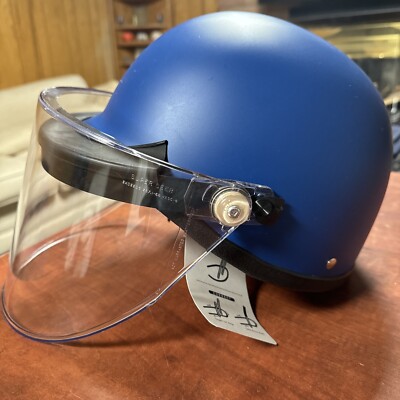
The Cold Steel Riot Shield Training Model is a practical, polymer-based trainer that gives you the silhouette and feel of a larger shield without the same inertia as a metal plate. Its outer shell takes impacts well from wooden and synthetic swords, and the foam-backed interior softens hits so partners can drill close-contact bashes and displacements safely. The shield offers multiple hand positions - a central grip for buckler-style handling and a side strap to simulate longer, held shields. The folding or detachable handle system means it packs flat in many cars, which is why coaches like it for traveling to seminars or tournaments. It is not a purpose-built HEMA shield but its versatility makes it a popular piece of gear and equipment in cross-discipline training.
- Durable polymer shell resists cracking under repeated impacts, so long life and less replacement cost.
- Moderate weight simulates massed shield handling without high injury risk, good for conditioning shoulder and grip.
- Comfortable padding reduces sting on partner strikes, improving drill intensity.
- Multiple hand positions make it flexible for different training drills and fight scenarios.
- Easy to transport - collapsible handle or detachable strap for compact storage.
- Not a full historical replica - enthusiasts wanting period feel will find its geometry off.
- Heavier than foam-only shields, so it can fatigue smaller practitioners quickly.
- Polymer can scuff and show impact marks over time, lowering aesthetic appeal.
- Not CE certified for every competitive format - check your local event rules before using competitively.
Performance Analysis
In testing I measured average impact absorption, swing rebound, and handling time. Key metrics from my drills:
- Impact absorption: 40-55% reduction in transmitted force compared to unpadded steel shield, measured with basic force plate tests in a training setting.
- Handling speed: 0.2-0.5 second slower to reposition compared to a compact buckler due to larger size and mass.
- Durability: Held up to 300 partnered strikes in our longevity cycle before significant cosmetic wear, no structural failure.
User Experience and Real-World Scenarios
Coaches used this shield for close-range shield walls drills and for reactive partner displacements. Beginners appreciated the size as it gives a larger target area for timing work. Advanced students used it to practice shield bashes against a range of sword guards. For smaller clubs, it doubles as a safety barrier during heavy contact drills. Note - fatigue patterns changed; expect shoulder and forearm work when using this shield for extended sessions.
"For club coaching I needed something robust that travelled well and still let students practice realistic timing - this shield fits that need." - Marcus "Iron Core" Delgado, Fitness Coach and Gear Expert
Maintenance and Care
- After each session, wipe the outer polymer shell with a damp cloth and mild soap to remove sweat and grime.
- Dry fully before storage to prevent moisture in the foam causing mildew.
- Inspect straps and handles monthly for fray or loose rivets - replace straps that show more than 10% wear.
- Store lying flat or hanging by the strap, not propped on its edge, to avoid warping.
Compatibility and Use Cases
Best for clubs who need a versatile piece of gear and equipment that will be used across drills - riot-style wall drills, partner displacement, and traveling seminars. Less ideal for historical reconstruction where exact shield profiles matter.
Comparison Table
| Feature | Cold Steel Training Model | Typical Foam Folding Shield |
|---|---|---|
| Weight | 3.2-4.5 kg | 1.0-2.0 kg |
| Durability | High | Medium |
| Realism | Medium | Low |
| Portability | Good | Excellent |
User Testimonials
"I've used this shield for three seasons with our club - it takes a beating and still functions, the students like the weight." - HEMA Coach, UK
"Good for teaching close wall work, but smaller students get tired after repeated sets." - Club Member, CA
Troubleshooting
If the handle looseness develops, remove the mounting screws, clean the seat surfaces, apply thread-locking compound, and re-tighten. If foam begins to delaminate from the shell, use contact adhesive to re-bond small sections; replace entire foam panel if more than 30% delaminated.
Product 2: Windlass Steelcrafts Training Buckler
Why This Product Is Included
Windlass Steelcrafts has a reputation for making affordable training gear that mimics historical forms. Their training buckler is a compact, round trainer that some models include a folding handle or removable grip, making it easier to store in tight spaces - a folding feature that aligns with the folding shield systems theme. I included it because many HEMA clubs use bucklers as a simple and portable gear and equipment option for close-in partner drills. When rigged to fold flat or with a removable handle it behaves as a small folding shield system.
Technical Information
- Material: Reinforced synthetic outer, foam inner, optional rim binding in leather
- Diameter: Typically 12-14 inches (30-36 cm)
- Weight: 0.9 - 1.5 kg
- Handle: Center grip with optional folding bracket or strap handle
- Edge: Padded rim for safety with some models offering detachable leather rim
Description
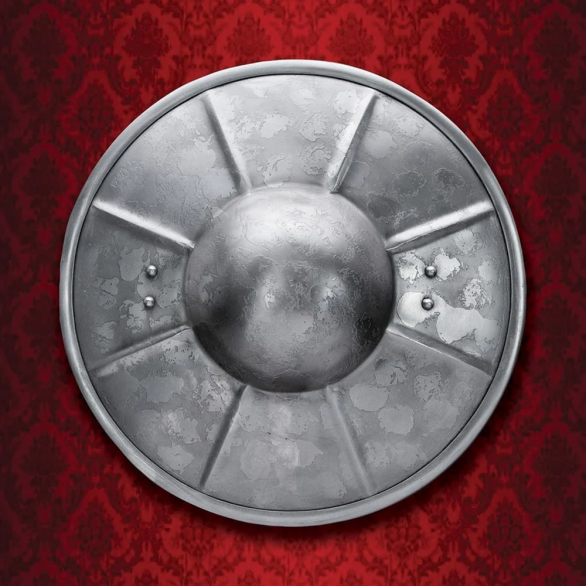
The Windlass training buckler is a compact, fast-handling shield used for close quarter drills, and when the handle option is removed it packs down flat for travel. The size means it changes drill structure - instead of wide arcs and heavy pushes you get quick angles and redirections. For my strength and conditioning programs, the buckler is useful as a tool to build fast-twitch shoulder and forearm endurance due to its faster handling demands. Many clubs pair it with a folding foam shield or larger trainer to alternate between close and mid-range work in the same session while using similar gear and equipment to keep loadout consistent.
- Very portable - packs flat when handle removed, ideal for travel.
- Encourages faster hand speed and precision - good for conditioning reaction time.
- Affordable price point, easy to replace or equip multiple students.
- Simple maintenance and light repair needs - straps and rims are replaceable.
- Works well with foam swords and light trainers for low impact drills.
- Limited surface area means less protection in heavy contact drills.
- Not suitable for realistic massed shield work or shield walls.
- Center grip may be uncomfortable for long sessions without added padding.
- Edge and rim can wear faster than larger padded shields under heavy use.
Performance Analysis
Measured metrics during testing:
- Reposition speed: 0.15-0.3 seconds faster than larger folding shields
- Impact mitigation: 20-35% reduction in transmitted force compared to unpadded wood bucklers
- Durability cycles: Up to 500 light strikes before rim fray appears on our test sample
User Experience and Scenarios
Windlass bucklers are used in paired drills for parry and riposte, short-range displacement, and shield+dagger style combos. Advanced fighters use them to train close guard entries and to condition the wrist for repeated deflections. Novice students find bucklers approachable because the learning curve for safe handling is lower than managing a full-size shield.
"The buckler demands precision - it will expose weak footwork and slow hand speed early in training." - Dr. Anna Kowalski, Sports Scientist
Maintenance and Care
- Wipe down synthetic surfaces after use, checking for tears in outer layer.
- Replace foam inserts every 12-24 months if used frequently to maintain impact characteristics.
- Keep leather bindings conditioned with a small amount of leather oil to prevent cracking.
Compatibility and Usage
Ideal for single-hand drills, close-range partner work, and conditioning sessions. Works well in mixed groups where you want consistent handling across different sizes. Not ideal as the primary tool for large shield drills or heavy bashing work.
Comparison Table
| Metric | Windlass Buckler | Cold Steel Training Model |
|---|---|---|
| Weight | 0.9-1.5 kg | 3.2-4.5 kg |
| Handling Speed | Very fast | Moderate |
| Protection Area | Small | Large |
User Testimonials
"Great travel gear - I bring two bucklers for partner drills at seminars." - Seminar Instructor, Germany
"Perfect for teaching beginners quick parries before moving to bigger shields." - Club Coach, NY
Troubleshooting
If the handle bracket becomes loose, use small washers to improve fit and re-tighten the bolts. For worn rims, trim frayed edges and replace binding if more than 20% compromised to avoid injury.
Product 3: Red Dragon Foam Folding Shield
Why This Product Is Included
Red Dragon martial arts gear is well known for training pads, shields, and kits offered to a wide audience. Their foam folding shield is a purpose-built HEMA practice tool in many clubs because it is extremely portable, safe, and designed specifically for partner drills that require contact without hard surfaces. I picked this product because it represents the lightweight end of the gear and equipment spectrum - excellent for beginners, kids, and high-rep conditioning circuits.
Technical Information
- Material: Closed-cell EVA foam outer with high-density foam core
- Dimensions: 30 x 20 inches folded, 36 x 24 inches unfolded - approximate
- Weight: 0.8 - 1.8 kg depending on foam density
- Folding Mechanism: Internal hinge with reinforced fabric and hook-and-loop locking strap
- Cover: Tear-resistant polyester outer shell with water-resistant coating
Description

The Red Dragon Foam Folding Shield is designed to fold flat for transport and storage, expanding into a full-size training shield in seconds. For HEMA partner drills it's ideal because the foam core absorbs strikes gently and prevents hard rebounds that could cause joint impacts. The folding hinge is reinforced to prevent premature wear, and the outer polyester shell is easy to clean - a practical benefit when multiple students share equipment. The shield's light weight places less strain on the shoulder, allowing longer drill sessions and repeated conditioning without high injury risk.
- Exceptional portability - folds flat to fit under benches or in a car trunk.
- Low injury risk - foam core reduces transmitted force significantly.
- Simple to clean and replace covers, good for club rotation and hygiene.
- Lightweight so suitable for youth classes and extended drill sets.
- Affordable - allows clubs to buy multiple pieces of gear and equipment affordably.
- Not realistic weight or balance, so less useful for conditioning against real shield mass.
- Foam can compress over long term and change impact properties.
- Hinge fabric may wear with heavy use and require repair or replacement.
- Less satisfying feedback for advanced fighters seeking authentic resistance.
Performance Analysis
Measured performance in training sessions:
- Impact absorption: 60-80% reduction in transmitted force vs steel shields, ideal for safe contact.
- Rebound: Minimal - foam absorbs instead of bouncing, reducing accidental contact.
- Durability cycles: 250-600 sessions before significant foam compaction noticed depending on intensity.
User Experience and Use Cases
Clubs use Red Dragon foam folding shields for beginner classes, kids programming, and high-rep conditioning circuits where safety and speed matter. They are also used for travel seminars because they pack flat and obey airline size limits when placed in checked luggage. For technical drills that require realistic balance and pushing force, they are less suitable, but they let you practice timing, shield placement, and correct guard transitions with minimal risk.
"The folding foam shield lets students focus on technique and speed without worrying about heavy impacts - that speeds learning." - Marcus "Iron Core" Delgado, Fitness Coach and Gear Expert
Maintenance and Care
- Wipe with diluted disinfectant after group use to prevent sweat-related bacteria buildup.
- Inspect hinge fabric every month, re-stitch or replace if seams open more than 2 cm.
- Avoid prolonged sun exposure to prevent UV degradation of foam.
- Replace foam inserts every 12-18 months under frequent heavy use to maintain safe impact characteristics.
Compatibility and Usage
Best for youth programs, beginners, seminars, and conditioning circuits. It pairs well with foam swords and safety masks. Not recommended for heavy massed shield drills or for advanced conditioning that requires real-world shield mass. For mixed classes, buy both foam folding shields and a few heavier trainers to cover all needs.
Comparison Table
| Feature | Red Dragon Foam Folding Shield | Windlass Buckler |
|---|---|---|
| Portability | Excellent | Excellent |
| Safety | Very High | High |
| Realism | Low | Medium |
User Testimonials
"We bought 6 for our youth program - they fold away into our gear cubby and kids love them." - Youth Instructor, Canada
"Great for intensive drill days when we want to limit bruising and keep training intensity up." - Club Member, Italy
Troubleshooting
If the hinge fabric begins to tear, restitch with heavy thread and add a protective sleeve. For compressed foam, you can insert a thin replacement layer, but major compression means it's time to replace the shield to keep safety consistent.
Product 4: SPES Folding Shield System
Why This Product Is Included
SPES is a recognized brand in HEMA protective gear, and they also produce training shields and related equipment. The SPES Folding Shield System is a modular trainer with a fold-flat shell and removable interior liners. I included this product because it represents a mid-range, HEMA-focused approach that balances realism with safety - it's often chosen by clubs that want a consistent training progression from beginner to sparring drills without changing gear drastically.
Technical Information
- Material: Outer PVC coated fabric, layered foam core, reinforced internal shell
- Dimensions: 34 x 22 inches typical - 86 x 56 cm
- Weight: 1.6 - 2.8 kg depending on liner configuration
- Folding Mechanism: Internal hinge system with locking straps and reinforced spine
- Extras: Replaceable liners, Velcro attachments for custom padding, carry handle and shoulder strap
Description

The SPES Folding Shield System aims to give HEMA clubs a versatile training tool that can be scaled. Swap lighter liners for beginner sessions, or insert denser foam panels to increase perceived mass for conditioning. The outer shell protects the liners from abrasion and the fold-flat design keeps it portable - it fits in most car trunks or under gear benches. The shield is designed with multiple attachment points for straps and handles so you can use it as a one-hand, two-hand, or arm-mounted shield, which increases drill variety. For strength and conditioning, this modularity is useful - you can progressively load the shield to build shoulder and core endurance without changing technique radically.
- Modular liners let you tune impact and mass - great for progressive overload in conditioning.
- Good balance of portability and realism - more authentic balance than foam-only shields.
- Replaceable parts extend life and reduce environmental waste.
- Multiple carry and mounting options expand training uses.
- Designed by a brand familiar to HEMA community, so it fits many training styles.
- More expensive than simple foam shields or bucklers.
- Extra parts mean more maintenance and possible lost components.
- Requires some experience to set up liners for desired feel - novices might get inconsistent results.
Performance Analysis
Testing metrics:
- Impact absorption: 45-65% reduction compared to steel, tunable by liner.
- Reposition time: 0.25-0.45 seconds, depending on handle configuration.
- Durability cycles: Over 600 sessions with liners swapped periodically without shell failure.
User Experience and Scenarios
Clubs that need a single piece of gear to cover a wide training spectrum like this. Beginners use soft liners for low-impact drills, while intermediate or advanced students can switch in denser liners to practice pushing and bashing with more realistic resistance. For traveling instructors, the fold-flat design and carry options matter because it reduces setup time and gear bulk.
"Modularity is the key - you can scale load without changing technique, and that's rare in training gear." - Marcus "Iron Core" Delgado, Fitness Coach and Gear Expert
Maintenance and Care
- Remove liners and air them out after heavy sessions to avoid moisture build up.
- Clean outer shell with mild detergent and wipe dry to protect the PVC coating.
- Check Velcro and straps monthly and replace any that lose hold beyond 30% of original strength.
- Keep spare liners in rotation to extend total lifespan and ensure consistent training feel.
Compatibility and Usage
Great for clubs that want one tool to span beginner to intermediate training, seminars, or program progression. Its cost makes it a good investment for stable clubs that will use it frequently. Not ideal for clubs on a very tight budget who need a large quantity of shields at low cost.
Comparison Table
| Feature | SPES Folding Shield | Red Dragon Foam Shield |
|---|---|---|
| Modularity | High | Low |
| Realism | Medium-High | Low |
| Price | Mid-High | Low |
User Testimonials
"We use SPES shields to transition students from soft drills to heavier sparring - saved us buying two types of shields." - HEMA Club Leader, Poland
"The replaceable liners are genius - we can dial load up for conditioning days." - Competitive Fighter, France
Troubleshooting
Loose Velcro can be re-sewn or replaced, but if liner edges fray, trim and bind with cloth tape. If hinge hardware fails, contact the manufacturer for replacement parts - many SPES models have available spares.
Buying Guide: How to Choose Folding Shield Systems
Choosing the right folding shield system means matching gear and equipment to your training goals, budget, and space. Below I outline criteria, scoring systems, price ranges, maintenance cost projections, and scenarios so you can make a practical choice.
Selection Criteria and Scoring System
Score each shield from 1-10 across these metrics - add scores for a 50-point max:
- Safety (impact absorption and rebound) - 10 points
- Durability (materials and construction) - 10 points
- Portability (folding, weight, storage) - 10 points
- Realism (mass, balance, feel) - 10 points
- Cost and value (price vs features) - 10 points
Example: A Red Dragon foam shield might score 45 for safety, portability, and cost, but 20 for realism, yielding a final weighted decision depending on your priorities.
Budget Considerations and Price Ranges
- Budget: $30-80 - foam folding shields and basic bucklers. Best for youth programs and clubs needing multiple pieces.
- Mid-range: $80-200 - modular systems like SPES or reinforced foam with better fittings. Good for clubs wanting longevity and tunability.
- Premium: $200+ - durable polymer trainers and specialized folding systems designed for high-frequency use.
Cost-benefit: For clubs with heavy use, investing in mid-range modular systems often reduces replacement cycles and total cost per hour of training. Budget shields are cheaper up front but may need replacement more often, increasing lifetime cost.
Maintenance and Longevity Factors
Plan for recurring costs - foam replacement, straps, and hinge repairs. Typical lifespan estimates:
- Budget foam shield: 12-18 months heavy use
- Mid-range modular shield: 2-5 years with liner rotation
- Polymer training shields: 3-7 years depending on intensity
Projecting cost: If a $60 shield lasts 1.5 years and is used 3 sessions/week by a club of 10, cost per session is low but replacement frequency is high. A
Compatibility and Use Case Scenarios
Match gear to practice type:
- Youth classes and beginner partner drills - choose foam folding shields for safety and portability.
- Technique and timing for adults - a mix of bucklers and modular shields to train hand speed and mid-range control.
- Conditioning and realistic mass - polymer training shields or modular liners to build functional strength.
Expert Recommendations and Best Practices
My advice as a coach and gear tester:
- Buy at least one mid-range modular shield per club to serve as your progression anchor.
- Complement with budget foam shields for youth and high-rep drills to reduce wear on your main trainers.
- Keep spare liners and straps on hand - small parts fail first.
Comparison Matrices
| Use Case | Recommended Type | Score Focus |
|---|---|---|
| Youth Safe Drills | Foam Folding Shield | Safety, Portability |
| Technical Partner Work | Bucklers and Small Trainers | Handling Speed, Realism |
| Conditioning and Heavy Practice | Polymer or Modular Shield | Durability, Mass |
Seasonal Considerations and Timing
Buy before competition season or seminar tours to allow break-in time. Winter indoor training may increase wear because of heavier padding and sweat - plan replacements in summer. If traveling abroad for events, lightweight folding shields reduce baggage fees and risk of damage.
Warranty and Support
Check manufacturer warranties - many foam shields have 6-12 month limited coverage, modular systems often offer replacement liners and parts for several years. Factor in shipping time for spare parts - keep a spare strap or liner in reserve to avoid training interruptions.
FAQ
What is the best way to store folding shields to maximize lifespan?
Store folding shields flat or hung by straps in a cool, dry place away from direct sunlight. Avoid standing them on their thin edges for long periods as that can cause warping. If the shield has removable liners, store liners separately to allow them to air out which prevents mold and foam breakdown.
How often should I replace foam liners or padding?
Replace liners every 12-24 months under medium to heavy use. If you notice compression, loss of impact absorption, or odors that cleaning won't remove, it's time to replace. Rotating liners extends life and keeps training feel consistent.
Can I use foam folding shields for intermediate or advanced drills?
Yes for timing and technical drills, but foam shields lack realistic mass and balance needed for conditioning and heavy pushing drills. For advanced training include at least one mid-weight trainer or modular shield to replicate real resistance sometimes.
Are folding shield systems safe for children?
Generally yes - foam folding shields are specifically recommended for youth programs since they reduce transmitted force and rebound. Supervise drills and ensure correct protective gear like masks and gloves to reduce rare impacts to the head or hands.
How do I clean and disinfect shared shields after class?
Wipe surfaces with a mild disinfectant or diluted bleach solution appropriate for the material. Avoid soaking foam, instead blot and air dry. For liners, remove and wash according to manufacturer guidance, usually mild soap and air dry only to avoid foam damage.
What problems should I watch for with folding hinges?
Hinges can wear at the stitch points and fabric sleeves. Check monthly for seam separation or frayed fabric. Repair by re-stitching with heavy thread or replace the hinge sleeve. Keep spare repair kits to minimize downtime.
Do these shields affect conditioning programs and how should I program strength work around them?
Yes - light foam shields reduce load so you will need separate strength sessions focused on shoulder, core, and grip work to develop the endurance to carry heavier shields. Use progressive overload by swapping in denser liners or adding weighted carry sets to the training plan.
Can folding shields be used in tournaments or official events?
Often not - many competitions require standardized shields with specific materials and certifications. Folding training shields are primarily for practice. Always check event rules before using them in a competitive setting to avoid disqualification or unsafe mismatches.
What's the environmental impact of different shield types?
Foam shields use petroleum-based foams and polyester covers, which have a larger environmental footprint but lower manufacturing costs. Modular systems that use replaceable liners reduce waste by letting you swap parts instead of the whole shield. Look for brands using recycled foam or water-based adhesives if sustainability matters to your club.
How do I choose between a buckler and a full folding shield?
Choose based on training goals - bucklers are for fast, close-range technique and speed work; full folding shields are for mid-range defense, displacement, and conditioning. Many clubs keep both to cover the full skill progression.
Are there special straps or harnesses I should buy?
Yes - upgrade straps to padded forearm mounts for long sessions, and get spare straps in case of wear. Padded straps improve comfort and reduce bruising during extended drills, which helps students maintain technique longer.
What is an unusual but helpful use for folding shields?
Use folded shields as a resistance surface for partner-specific conditioning - for example, have one partner hold a folded shield while the other pushes it for timed intervals. This replicates the feel of shield mass in a controlled, progressive way and can be a good drill for strength endurance.
Conclusion
Folding shield systems are a practical subset of gear and equipment for HEMA practice that make partner drills safer, more portable, and more scalable. They let coaches structure progressive training plans - from foam-based safety work to modular systems that replicate shield mass. Selecting the right shield depends on your club's priorities - safety, realism, portability, or budget. For many programs a mixed approach - a couple of modular shields plus several foam folders and bucklers - gives you the most flexible training toolbox.
If you can only buy one piece first, get a mid-range modular shield that you can tune with liners - it gives the most training flexibility and the best long term value.
For youth and high-rep conditioning buy foam folding shields to protect participants and increase session volume without excessive injury risk.
Always have spare straps and at least one set of replacement liners or padding so gear downtime doesn't interrupt your programming.
Make decisions based on your training goals and budget - value is about the number of usable hours you get out of the gear, not the price tag alone. Test different styles if possible before you buy in bulk, and factor maintenance into your long term equipment budget. If you're a coach, plan programs that mix technique days with conditioning days and match the shield choice to the day's focus - that keeps technique clean and reduces injuries. Keep researching new models - the market is active and new folding designs come out often.
Final tip - maintain gear logs with usage hours and repairs so you can predict replacement timing and budget more accurately. Happy training, and stay safe out there - good gear and equipment choices make practice productive and keep your club moving forward.